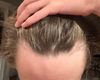
The user is experiencing irritation from using PG with RU58841 and is seeking alternative solutions like K&B in the UK. They report redness, itchiness, and flaky skin from the current treatment.
A study that outlines the full model for androgenic alopecia (AGA) which links DHT to cellular senescence in dermal papilla cells, and suggests black chokeberry as a source of cyanidin 3-O-arabinoside polyphenol with potential anti-oxidant properties that could reverse this process. The post encourages reaching out to experts in anti-aging and longevity to research treatments involving the polyphenol.
RU58841 is used for hair loss, with some users reporting decreased shedding and preserved hairlines. Concerns about safety and side effects like heart issues are noted, and some combine it with finasteride and minoxidil for better results.
Follicum discovered that their drug FOL-005 increased hair count by 12 hairs per cm2 in patients with less than 255 hairs per cm2 and is planning a phase 2b trial. They are currently fundraising for the trial, and the drug may also be effective for women.
The conversation discusses a last-resort hair loss treatment combining topical finasteride, minoxidil, melatonin, and progesterone, with claims that topical finasteride can inhibit up to 52% of scalp DHT. One reply clarifies that progesterone is not an anti-androgen but has anti-androgenic properties because it competes with androgens for receptors.
A new Latanoprost-based formula used by Hollywood celebrities to treat hair loss, with the formula containing minoxidil, tretinoin, melatonin, azelaic acid, zinc thymulin, vitamin B6, sandalore and methyl vanillate. It also mentions the potential of offering a combined sublingual minoxidil/oral dutasteride option in the future.
The conversation discusses using RU58841 with octopirox or essential oils for hair loss treatment. The user is seeking advice on which variation to try.
A 21-year-old male used low-dose 5% topical Minoxidil inconsistently for four months, resulting in stopped hair shedding and improved hair density, though the hairline remained unchanged. Users discussed the potential use of finasteride and other treatments, with some suggesting consulting a dermatologist for further advice.
The user experienced significant hair regrowth using finasteride and minoxidil. They plan to switch to dutasteride for its potency after confirming their body's tolerance to DHT blockers.
A 26-year-old from the UK is experiencing increased hair thinning despite using dutasteride and topical minoxidil. They are considering additional treatments like ketoconazole shampoo, oral minoxidil, and possibly RU58841, while seeking advice on managing side effects and exploring other options.
A user is seeking a less greasy and more affordable minoxidil solution in Europe, similar to Regaine foam. Suggestions include looking for pharmacies that make their own minoxidil, and considering brands like Kirkland or Foligain.
Exosomes combined with fractional picosecond laser treatment were effective in treating androgenetic alopecia and promoting repigmentation in white hair patches. The role of exosomes in hair repigmentation, particularly in conditions like poliosis, is not well-studied.
Nizoral shampoo reduced shedding but caused hair dryness. Alternatives like non-SLS ketoconazole shampoos, such as Regenpure DR, are recommended for use 2-3 times a week to avoid dryness.
The user experienced increased hair shedding after using RU58841 for two months, but found relief from scalp itchiness. Other users shared similar shedding experiences and discussed side effects like joint pain, while also mentioning the use of finasteride and minoxidil.
A user found a successful hair loss treatment using a combination of finasteride, dutasteride, minoxidil, and RU58841. They plan to switch to a purely topical regimen with finasteride, RU58841, and minoxidil.
The user experienced significant hair shedding despite long-term use of finasteride and minoxidil, considering switching to dutasteride and increasing minoxidil dosage. Suggestions included trying topical minoxidil and adding a topical antiandrogen, but avoiding RU58841.
The user is discussing their hair loss treatment stack, which includes CB-03-01, Fluridil, Alfatradiol, Cosmerna, microneedling, and Stemoxydine. They have seen some new hair growth but wish they could use finasteride.
The conversation discusses Shiseido's RepliCel Hair-01 technology for hair regeneration, which aims to stop hair loss with minimal regrowth. Treatments mentioned include Minoxidil, finasteride, and RU58841.
The user is using a compounded foam with Latanoprost 0.01% and Finasteride 0.1%, averaging 3ml per week, and is considering whether to add oral finasteride despite concerns about side effects. They are also contemplating switching to 1mg oral finasteride and oral minoxidil for simplicity and effectiveness.
The solution contains minoxidil, finasteride, azelaic acid, caffeine, retinoic acid, and procapil. Users suggest minoxidil with tretinoin and a 5-alpha reductase inhibitor, while dismissing retinoic and azelaic acids as unnecessary.
Lichen Planopilaris (LPP) is an autoimmune condition causing permanent hair loss and fibrosis, often misdiagnosed. Treatments include pioglitazone, topical corticosteroids, anti-inflammatory medication, and Jak inhibitors.
The user started using finasteride and minoxidil and noticed fine, spikey hairs on their scalp after oiling with coconut and blackseed oil. Responses suggest these fine hairs could indicate hair regrowth, but more time is needed to see results.
OP asked if a product from Amazon is sufficient to dilute finasteride. A user advised against using propylene glycol alone, suggesting a pre-made solution instead.
A treatment containing Wnt and Follistatin was found to be safe and effective for hair regrowth in a Phase 1 clinical trial. Specific treatments discussed include Minoxidil, Finasteride, and RU58841.
The post discusses a new hair loss treatment involving an improved pyri formula that has shown promising results, including thicker hair and a restored hairline, with minimal side effects. The author seeks investors to collaborate with Kintor or acquire the pyri patent, offering equity rewards and complimentary samples for verification.
The conversation discusses using peptides BPC-157 and TB-500, combined with microneedling, to potentially enhance hair regrowth. The user plans to try BPC-157 due to its lower cost and reports of hair growth, despite limited human trials and concerns about side effects from other treatments like minoxidil and finasteride.
The conversation discusses updates on hair loss treatments, specifically GT20029, PP405, and a rumored injectable peptide from UT. GT20029 is seen as a promising treatment expected within 5-7 years.
Dr. Kyle Gillet mentioned on Dr. Andrew Huberman's podcast that dutasteride mesotherapy blocks DHT conversion only in the scalp and is the most promising topical treatment. Users discussed concerns about systemic absorption and the practicality of dutasteride injections.
PP405 is suspected to be a scam, with users doubting its legitimacy and effectiveness. Many recommend using proven treatments like finasteride and minoxidil.
A user is starting a finasteride and minoxidil routine for diffuse pattern hair loss and is concerned about hair dependency on minoxidil. Responses suggest that new hairs may not survive without minoxidil, but existing hairs won't fall out if minoxidil is stopped, though experiences vary.