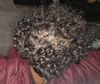
The user reported significant hair density improvement after 35 days using finasteride (1.25 mg) and 5% minoxidil. Some users are skeptical, while others believe the progress is genuine.
The conversation discusses natural DHT blockers like rice bran oil, which may reduce 5α-reductase activity similarly to Minoxidil and Dutasteride. One user argues that finasteride is more reliable and effective than natural alternatives.
The conversation discusses the potential effectiveness and future results of the hair loss treatment pp405, with questions about its impact on different hair loss stages and areas. There is anticipation for phase 3 trial results to provide more data, and hope that pp405 could enhance hair transplant outcomes.
A 30-year-old male with thinning hair and an itchy, oily scalp found that hydrocortisone cream eliminated dandruff and itching and seemed to thicken his hair. He avoided minoxidil and finasteride due to potential side effects and noted that Nizoral and Head & Shoulders worsened his symptoms.
Veradermics' oral minoxidil shows promise for hair regrowth, with some users reporting significant improvements, while Pelage's PP405 results are less convincing and lack transparency. There is skepticism about both treatments' long-term effectiveness and potential side effects.
The user uses finasteride, ketoconazole shampoo, and derma stamping for hair loss. They consider rosemary and castor oil as alternatives to minoxidil due to fewer side effects.
The user used minoxidil 5% and finasteride 0.1% for six months, along with a dermaroller and Nizoral shampoo, experiencing only dry scalp as a side effect. They are pleased with the results.
A 24-year-old male is using topical finasteride 0.1% with minoxidil 5% and oral finasteride 1 mg to treat hair loss but is experiencing scalp flaking from the topical solution. He is considering switching to a minoxidil foam without propylene glycol and continuing oral finasteride due to its effectiveness.
The conversation discusses using topical liposomal finasteride for hair loss, with concerns about high DHT levels. The user's DHT level is above the normal range, which may affect hair health.
A user shared progress pictures after 40 days of using topical finasteride, minoxidil, and KX-826 following a hair transplant. They previously used Polaris NR-11, which contains finasteride and minoxidil, and experienced significant hair regrowth.
The conversation is about recommendations for hair loss treatments, including minoxidil, nizoral shampoo, castor oil, a dermapen, and tocotrienols. Users discuss different minoxidil brands, with some preferring Kirkland despite concerns about irritation and dilution.
Oral minoxidil has shown positive results for hair regrowth, but concerns about its side effects, such as heart issues, are noted. Adding a DHT blocker like finasteride is recommended for better and more lasting results.
Peptides like GHK-Cu, BPC-157, and TB-500 have significantly reduced hair loss, with GHK-Cu being particularly effective. The discussion also covers the high cost of these peptides and explores more affordable purchasing options.
The post discusses diluting 100ml of 0.1% topical finasteride with 90ml of stemoxydine to create a 0.05% solution, aiming for a longer-lasting and potentially less side-effect-prone treatment. The user seeks feedback on this idea.
Topical finasteride in the UK is sought after due to concerns about the strength and cost of Hims products. There is also interest in whether crushing finasteride pills into minoxidil is effective.
The conversation is about using vitamin C and Magnesium L-Threonate for hair growth by reducing DHT binding to dermal papilla cells. The original post about vitamin C's pH levels and sebum control was possibly removed by a moderator.
Significant hair regrowth was achieved using 1mg finasteride and 5% topical minoxidil over 14 months, with only initial shedding and mild scalp irritation as side effects. Consistency and early treatment are recommended for optimal results.
The user is experiencing hair loss and is considering using topical minoxidil and finasteride due to concerns about liver health, specifically elevated ALT levels from fatty liver. They are advised to start with topical treatments while continuing weight loss and dietary changes to improve liver function.
MinoxidilMax stopped selling topical finasteride products, leaving users to seek alternatives like Morr-5 from other sources. The user expressed concern about switching products and potentially losing hair regrowth progress.
A user is using a compounded hair loss treatment with 5% minoxidil, 0.005% finasteride, and 0.01% tretinoin but is experiencing issues with residue and greasiness. They are inquiring if using the treatment five times a week instead of daily will still be effective.
The conversation is about using DIY copper peptide (GHK CU) serum for microneedling to address hair loss, with additional treatments including Nizoral for DHT reduction and red light therapy. The user is considering adding Minoxidil but is concerned due to having cats.
The conversation discusses hair loss treatments, specifically RU58841, with mentions of side effects from finasteride and dutasteride. Alternatives like Pyri, KX-826, and Breezula are also mentioned.
The user added witch hazel to their routine with finasteride and topical minoxidil to reduce scalp itching and potentially help with hair loss. They find witch hazel affordable and effective for itch relief, though its impact on hair loss is still uncertain.
A user stopped using finasteride due to reduced efficacy and health concerns, and is considering minoxidil and DHT-blocking shampoos for hair loss. Another user responded that DHT-blocking shampoos are ineffective.
Topical minoxidil can cause water retention, making the face appear swollen. Switching from liquid to foam and reducing application frequency may help; using dandelion root extract as a diuretic is also suggested.
The user is experiencing hair thinning and plans to use minoxidil and finasteride spray from Hims, while currently using minoxidil foam. They are advised to treat possible seborrheic dermatitis and consider scalp health for hair loss improvement.
The user is experiencing reduced hair shedding and increased hair density after using finasteride, minoxidil, derma rolling, granactive retinoid, and Nizoral, while also taking testosterone and aromatase inhibitors. They question if they are a hyper responder to the treatments, despite mixed feedback from others about visible progress.
The conversation discusses using a mixture of 4% peppermint oil in jojoba oil to reduce flaking and dandruff caused by 5% Minoxidil lotion. The user reports significant improvement after one application of the oil mixture.
User shared progress pictures after 5 months using 5 mg oral minoxidil, a topical formula with 8% minoxidil, 0.1% finasteride, and 0.01% tretinoin, and a 1.5 mm Dermapen every other week. The conversation discusses the effectiveness of this regimen for hair loss.