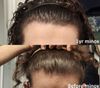
Astaxanthin may cause increased hair shedding, affecting even transplanted hair and eyebrows. The user has tried various treatments for androgenic alopecia, including minoxidil, finasteride, and RU58841.
A user is experiencing hair loss at NW 5 and is using finasteride, which is causing side effects like dry eyes and loss of libido. They are considering continuing with minoxidil and finasteride or opting for a hair transplant, feeling depressed about their situation.
A 31-year-old with diffuse thinning experienced significant hair regrowth after nearly 5 months on Finasteride 0.75mg MWF. Despite initial side effects like testicle pain and reduced sex drive, these issues resolved, and positive effects included reduced nighttime urination and scalp itching.
A 48-year-old male is experiencing hair loss despite taking finasteride for four months. He is considering oral minoxidil but is concerned about high blood pressure and is unsure about taking spironolactone.
The user experienced significant hair regrowth in 5 weeks using Minoxidil, Finasteride, Dutasteride, biotin, collagen, derma stamping, and a mixture of oils, leading others to label them a "hyper responder." Some users advised caution with microneedling frequency to avoid potential scarring.
A 31-year-old has been using finasteride, dutasteride, and oral minoxidil for hair loss. They noticed a sudden triangular thinning patch on their scalp and are seeking advice, questioning if it could be medication-related.
Minoxidil increases blood supply to the scalp, strengthening dormant follicles and extending the growth phase, but may increase scalp activity that can be countered with DHT blockers. Women experiencing side effects from finasteride or dutasteride for hair loss might consider alternatives like estrogen, especially if on birth control.
A user experienced facial swelling while taking spironolactone for androgenic alopecia, despite its diuretic properties. They are unsure about increasing the dose due to this side effect.
A user reported significant hair improvement using oral minoxidil, Rogaine 5%, and spironolactone but experienced worsening PMS. They seek advice on managing the PMS symptoms.
The user has androgenetic alopecia (AGA) and low Vitamin D levels, and they started using topical minoxidil (5%). They are considering finasteride but are concerned about side effects and are advised to seek mental health support.
User used Finasteride, Dutasteride, and Minoxidil for one year to treat hair loss. They discussed possibly trying RU58841 or pyrilutamide in the future.
The user is stressed about hair loss and is using a HIMS topical treatment containing finasteride, ketoconazole, minoxidil, and biotin, but is concerned about the oily appearance it causes. They are considering switching to Rogaine (minoxidil) due to budget constraints and side effect concerns with oral finasteride.
Minoxidil's effectiveness varies due to genetic differences in the SULT1A1 enzyme, affecting how well it converts to its active form, minoxidil sulfate. Hyper-responders may experience rapid hair growth and increased side effects, such as pericardial effusion, even at low doses.
A 21-year-old is concerned about androgenic alopecia and has been using minoxidil for a year, noticing some stabilization in the hairline but fears using it on the whole scalp due to seborrheic dermatitis. Another person suggests considering a psychiatrist for stress management, using Nizoral shampoo, and possibly trying a small dose of finasteride.
The conversation is about finding affordable topical anti-androgens for hair loss. The user is currently using finasteride, dutasteride, and oral minoxidil, and is advised that additional topical treatments may not be necessary.
Finasteride has no effect on the user's estradiol levels, and body fat may influence aromatization. The user is on testosterone replacement therapy and uses everyday injections to manage high RBC count, with plans to measure DHT, DHEA-S, and pregnenolone levels.
A 20-year-old male currently using topical minoxidil 5% is considering starting finasteride 1mg due to elevated hormone levels. He seeks advice on whether to adjust anything before beginning finasteride.
The user is experiencing significant hair loss and has tried treatments like PRP therapy, topical and oral Minoxidil, Finasteride, and dietary changes, with limited success. They are concerned about losing more hair before a scheduled hair transplant and are advised to postpone the transplant to allow medications more time to work.
High prolactin levels can cause hair loss, and finasteride may increase prolactin. Cabergoline or Vitamin B6 might lower prolactin, but combining them with finasteride requires caution.
The user experienced aggressive hair loss despite using oral finasteride and minoxidil, with additional issues like dandruff and eyebrow hair loss. They are considering switching to oral minoxidil and dutasteride due to scalp inflammation and lack of improvement.
The conversation discusses reducing scalp DHT to prevent hair loss, with a focus on using dutasteride, finasteride, and other treatments like RU58841 and minoxidil. It highlights the challenges of managing hair loss while on high testosterone levels, suggesting that dutasteride may be more effective than finasteride in such cases.
JeremySoCa's DHT level was 29 ng/dl, considered low, and Estradiol was 26.1 pg/dl within the normal range. They are using topical finasteride for hair loss and had a thyroidectomy due to Graves' disease.
The conversation discusses using RU58841 or Pyrilutamide for hair loss, with some users suggesting switching to more proven treatments like oral or topical finasteride. One user reports no progress with RU58841, finasteride, and minoxidil, and mentions experiencing regression.
Dr. Kyle Gillet mentioned on Dr. Andrew Huberman's podcast that dutasteride mesotherapy blocks DHT conversion only in the scalp and is the most promising topical treatment. Users discussed concerns about systemic absorption and the practicality of dutasteride injections.
The conversation discusses starting hair loss treatments and concerns about side effects. Treatments mentioned include Minoxidil, finasteride, and RU58841.
User experienced hair thinning due to high cortisol and thyroid issues, along with insulin resistance. They are taking magnesium, zinc, vitamin D, calcium, and selenium as supplements.
Fluridil, an antiandrogen that is not widely used or known about due to its expense and lack of availability in the US. It is suggested as a potential alternative for people who don't want to lower their DHT through treatments such as Minoxidil, Finasteride, Nizoral shampoo, and Dermarolling.
A 21-year-old male diagnosed with telogen effluvium and male pattern baldness started oral finasteride, which initially slowed hair loss and slightly thickened hair, but experienced increased shedding after surgery. The doctor recommended iron and vitamin D supplements, and the user is seeking additional advice.
The conversation discusses the impact of hair loss treatments like dutasteride and finasteride, with some users expressing skepticism about media claims linking these drugs to severe side effects like suicidal ideation. Many participants criticize the media, particularly British tabloids, for fearmongering and emphasize the psychological impact of hair loss itself.
The post discusses a theory that hair regrowth after transplant is due to the angiogenesis process (new blood vessels forming), not because the transplanted hair is unaffected by DHT. The responses highlight the established belief in 'donor dominance' (the importance of the hair's origin in transplantation) and skepticism about the new theory.