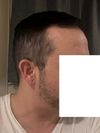
The user shared progress pictures showing hair improvement from using oral finasteride and topical minoxidil between September 2023 and May 2026. Responses express amazement at the results.
The post discusses the potential of upregulating aromatase to treat hair loss, suggesting that increasing CCL2 levels through Vitamin D or microneedling might help. The user questions why microneedling doesn't work for everyone, especially those with advanced hair loss.
A user humorously discusses the effects of using too much minoxidil, with replies joking about hair growth and treatments like oral minoxidil. The conversation includes light-hearted comments and laughter about the situation.
The user experienced good crown progress in 3 months using finasteride, collagen, vitamins B, C, D, zinc, and dermarolling. They are pleased with the results after a hair transplant on the front and mid scalp.
The user experienced heavy shedding 10 months after a hair transplant and used a topical solution of Minoxidil and Finasteride, later switching to Finoduta. They also dealt with a dry scalp and greasy hair, using various shampoos and conditioners, and sought advice on whether the shedding was normal and how to manage the dry scalp.
VDPHL-01 is essentially a slow-release oral minoxidil, which is already known to work for hair growth. The formulation includes other ingredients like Medrogestone, Valproic acid, Setipiprant, and Cetirizine, but their effectiveness and necessity are questioned.
The user experienced new hair growth after using HIMS topical spray containing finasteride and minoxidil for almost two months, along with weekly dermarolling. Other users confirmed the growth and advised continuing the treatment.
Oral minoxidil may cause temporary facial puffiness, leading to a perception of accelerated aging, but it doesn't cause actual aging. Concerns about hair loss and treatments like minoxidil and finasteride are discussed, with suggestions to use tretinoin and sunscreen to mitigate potential side effects.
The user has been using 15% minoxidil, rosemary oil, peppermint oil, and bi estro cream for hair loss and is noticing baby hairs but is unsure if this is new hair growth or just existing hair getting longer.
A user trying to avoid an expensive hair transplant, and the replies suggesting they wait two years on treatment before deciding if they need a transplant or not.
Biotin can cause cystic acne for some users, and it's advised to stop using it if this occurs. For hair loss, finasteride and dutasteride are recommended, but a dermatologist should be consulted.
The conversation discusses hair regrowth and miniaturization, with the user transitioning to oral dutasteride and oral minoxidil, and occasionally using topical minoxidil. The user observes baby hairs near the hairline but less on the scalp, indicating possible regrowth and shedding.
A user experienced significant hair regrowth after improving their diet, getting sunlight, taking a multivitamin, and exercising, following a period of extreme calorie restriction and hair shedding. Others in the conversation attribute the hair regrowth to increased calorie intake rather than just vitamins.
The conversation is about a user's hair transplant progress using 3000 grafts with DHI technique, foam Minoxidil, Tretinoin, and Dutasteride after 5.5 months. Commenters are impressed with the results, noting significant improvement.
A 40-year-old shared progress pictures showing results after 3.5 months of using dutasteride for hair loss. The conversation likely discusses this specific treatment and its effects on hair regrowth.
Hair loss discussion includes Minoxidil and regrowth. Regrowing hairs start light and curly, then become dark and thick; losing temporal peaks is normal.
Hair regrowth after telogen effluvium, with the user experiencing hair loss at the temples and regrowth after taking omega-3/fish oil tablets. Suggestions include consulting a dermatologist and considering supplements like Biotin, Zinc, and Vitamin D.
The user is experiencing hair regrowth using a combination of oral finasteride, a minoxidil/finasteride topical spray, and dermarolling. They plan to continue this regimen and may consider adding dutasteride if needed.
The post discusses an individual's 11-month hair restoration journey using oral finasteride, topical minoxidil and finasteride, micro-needling, biotin tablets, and ketoconazole shampoo. Despite mixed reactions and skepticism from others, the individual expresses gratitude for support and claims progress in hair growth.
The conversation is about someone's three-year experience with irregular derma rolling, Minoxidil, and Redensyl for hair loss, hoping to thicken areas with fine hair.
The post discusses hair growth progress after using oral minoxidil and oral finasteride for four months, following a hair transplant. The user notes improved hair thickness, particularly in the mid scalp and crown areas.
The user experienced significant hair regrowth using topical minoxidil 5% twice daily and 1mg finasteride daily, along with microstamping every 14 days. They reported initial shedding but achieved satisfying results by month four, with minimal side effects.
EDHARRINGTON's journey to regrow his hair using finasteride, topical minoxidil, and micro-needling treatments over 4 years, with others commenting their support and admiration for his results.
A user warns against buying the Koreabeautics V2 microneedling pen, claiming it's marketed through fake success stories and is overpriced. Another user shares their experience, acknowledging the pen's quality but agreeing it's too expensive and reliant on frequent needle head replacements.
The user is pleased with their hair transplant results after six months and seeks feedback. The conversation is positive, with others affirming the success of the procedure.
User shares 4-month progress using finasteride, minoxidil, and microneedling for hair loss. Others discuss body hair, hair transplant possibilities, and user's treatment response.
The conversation discusses hair loss treatment options, focusing on finasteride and its potential effects on gynecomastia. The user is considering finasteride while managing hormone levels with supplements like boron, vitamin D, zinc, magnesium, and P5P, and is advised to consult an endocrinologist for further evaluation.
A hair transplant significantly improved the user's appearance, making them look younger. They consistently use oral finasteride and minoxidil, which may have contributed to the results.
A user experienced significant hair improvement using oral finasteride for six months, adding microneedling and switching to non-sulfate shampoo. They managed side effects by working out and noticed no negative impact on libido.