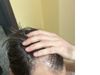
Maneup GHK-Cu peptide was used for hair loss, resulting in some hair growth in the receded hairline, but the new hairs were dry and split easily. Users discussed their experiences with this treatment.
Hair cloning and new treatments like ET-02, Veradermics (vdphl01), and wound-induced hair neogenesis show promise but are not yet widely available. Current effective treatments include minoxidil, finasteride, and dutasteride, with early intervention being crucial for better outcomes.
The user discussed their positive experience with hair loss treatments Finasteride, Minoxidil, and Dermarolling, showing significant progress in 48 days. Other users expressed interest in trying these treatments, asked about side effects, and one noted that they've observed good results in black people.
A Korean laser helmet increases hair growth by 44% compared to a placebo. Users discuss its cost-effectiveness, clinical support, and compare it to treatments like finasteride and minoxidil, focusing on wavelength and energy density.
The user has been using topical finasteride and minoxidil since February, along with microneedling, and recently noticed increased hair shedding. They are curious if others experienced worsening hair appearance after shedding or if it remained unchanged.
The user plans to use a combination of tretinoin, topical minoxidil, and topical finasteride for hair loss treatment. They seek advice on application order, timing, and tretinoin dosage.
The conversation discusses the difference in attitudes toward hair loss treatments, with a focus on lifestyle changes and hair transplant surgery in Hong Kong, as opposed to treatments like minoxidil, finasteride, and microneedling discussed on 'tresless'. The user is now using finasteride and minoxidil and considering microneedling.
A person shared their hair transplant experience, mentioning complications like excessive bleeding and density anxiety, and is using finasteride and minoxidil chewables. They traveled to Turkey for the procedure, paid around $3800, and are considering Mexico for future treatments; nicotine use is a concern for their recovery.
The user is experiencing intense hair shedding all over the scalp after applying pyrilutamide to the hairline and taking oral castor oil. They are also using topical finasteride and latanoprost, but are unsure which treatment is causing the shedding.
ET-02 is seen as promising for addressing hair loss and graying, but PP405 is more advanced in development and has better publicity. Some users plan to use both treatments alongside minoxidil and dutasteride.
PP405 targets hair follicle stem cells differently than exercise-induced lactate, suggesting exercise alone may not replicate its benefits. Minoxidil and finasteride are recommended alongside exercise for hair regrowth, with additional suggestions like spicy food and infrared exposure.
The user is experiencing potential hair regrowth after 4 months of using a minoxidil and finasteride topical spray combined with microneedling 1-2 times a week. They notice some scalp redness and irritation but are unsure if the increased hair density is due to regrowth or longer hair.
A 29-year-old male has been using topical finasteride (0.1%) and minoxidil (5%) for 2.5 months and noticed thicker, darker hair. He is considering whether to switch treatments, as the current regimen seems effective.
Minoxidil is causing hair growth in unexpected areas like the forehead, eyebrows, and body, rather than the scalp. Users discuss the effects of both topical and oral minoxidil, with some also using finasteride and experiencing varied results.
The conversation discusses using a multimodal approach to treat androgenic alopecia, including substances like gamma-linolenic acid, DHA, sulforaphane, melatonin, cetirizine, astaxanthin, fisetin, apigenin, curcumin, limonene, genistein, and berberine. Users also mention using ketoconazole, minoxidil, and low-level laser therapy (LLLT) as part of their hair loss treatment regimens.
The user reported healthier, firmer, and thicker hair follicles with minimal regrowth at the front after using Regenera Activa, topical finasteride, minoxidil, tretinoin, caffeine solution, and vitamin D supplements. Hair loss has stabilized with no side effects.
A female user is seeking feedback on using topical minoxidil on eyebrows due to eyebrow loss, as oral minoxidil hasn't worked and they avoid Latisse due to potential fat loss.
The user shared progress pictures after using topical minoxidil for 8 months and topical finasteride for 5 months, along with other treatments like tretinoin cream, microneedling, and specialized shampoos. They are seeking feedback on their hair regrowth progress and are concerned about reaching a plateau.
User noticed tiny dots on their head after using 0.5% dutasteride and 8% minoxidil, which others identified as developing hair follicles. Encouragement was given to continue the treatment.
The conversation discusses using a microneedling device on the face after using it on the scalp, with suggestions to use a depth of 0.2mm for facial treatments. Caution and proper sterilization are advised due to the sensitivity of facial skin.
User shared 12-month progress using topical 0.25% finasteride and 5% minoxidil daily. Most replies suggest waiting longer for potential further regrowth before considering a hair transplant.
The conversation is about someone's six-month hair transplant outcome, with a user suggesting the use of finasteride and minoxidil to improve hair growth. Another user commented on the poor condition of the donor hair area.
Combining PRP with topical minoxidil 5% and finasteride 0.25% for hair loss treatment. One user reported success using minoxidil and finasteride with micro-needling, but not PRP.
A user questions if a topical compound with finasteride, dutasteride, minoxidil, retinoic acid, caffeine, and triamcinolone is excessive for hair loss treatment. Another user shares their experience using topical finasteride without issues and notes that alternating finasteride and dutasteride is common.
The conversation is about choosing effective hair loss treatments, specifically discussing RU58841, 5% minoxidil, copper peptides, microneedling, finasteride, dutasteride, and Tretinoin. The user seeks advice on the best topical treatments and prefers to use only 1-2 products.
Microneedling daily at 0.3mm combined with topical finasteride and minoxidil is effective for hair thickening, with added benefits from near-infrared therapy. The approach may not improve the front hairline, and deeper microneedling is done monthly for better results.
The conversation discusses hair loss treatments, including finasteride, microneedling, minoxidil, and PTD-DBM. The user has not noticed significant regrowth and is considering cost-effective options like valproic acid.
The user experienced hair loss after switching to daily microneedling and stopping tretinoin, while continuing oral finasteride, minoxidil, and other treatments. The consensus suggests daily microneedling is excessive and harmful, recommending less frequent sessions to allow healing.
A 28-year-old shared surprising hair regrowth progress after 20 days using topical minoxidil, micro needling, GHK-cu, and BPC-157 injections. The user noted a significant reduction in their bald spot and overall hair improvement.