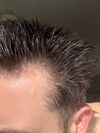
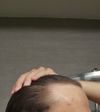
A user shared progress pictures after their fifth hair transplant, which included 3,000 grafts from both scalp and body hair. They use topical finasteride and minoxidil, and the procedure cost $22,000 at Maxim in Austin, Texas.
Dutasteride mesotherapy showed increased hair density and diameter without reducing serum DHT levels in a small study. However, the sample size was too small to make definitive claims about its efficacy.
Low-level laser therapy (LLLT) devices may help thicken existing hair but are not effective for regrowing hair on bald areas. Users suggest sticking with finasteride, minoxidil, and dermapenning, as LLLT devices like Capillus are expensive and results are mixed.
The conversation discusses the difference between the commercially available Pyrilutamide and the version in clinical trials. It also mentions treatments like Minoxidil, finasteride, and RU58841 for hair loss.
The user successfully managed hair regrowth by using a combination of finasteride, dutasteride, minoxidil, and specific shampoos to treat seborrheic dermatitis. They emphasize the importance of maintaining a healthy scalp and are considering food intolerance tests to further address inflammation.
The user experienced significant hair loss on the scalp, eyebrows, eyelashes, and pubic area, along with itchy, flaky skin and red patches. They have a history of eczema and dermatitis and suspect that stopping shampoo use and taking Ritalin may have contributed to the issue.
The user is using a hair loss treatment regimen that includes RU58841, minoxidil mixed with finasteride, adenosine, dermarolling with lidocaine cream, and biotin. They are questioning if they are dermarolling too aggressively and are willing to accept baldness if no improvement is seen in 6 months.
A user reported using oral Minoxidil 3mg, oral Finasteride 1mg, topical Minoxidil, dermarolling twice a week, and taking biotin and vitamin D daily for 10 weeks. They noticed small hairs growing at the hairline after 6 weeks.
The user switched from topical to oral finasteride and minoxidil for hair loss and experienced swelling and sensitivity in the left chest area. They are concerned about these symptoms but noticed improvement after skipping a dose.
The user regained most of their hair using Minoxidil, Finasteride, and Dermarolling. They found Dermarolling particularly effective, as it promotes growth factors and improves hair thickness.
GT20029 showed significant hair growth and safety in phase II trials, with no adverse sexual events. Users are hopeful but concerned about future costs and systemic effects.
The user treated seborrheic dermatitis by cutting sugar, improving sleep, using four different shampoos, and occasionally using steroids. Their hair is growing back thicker and new hair is appearing.
Women experienced severe reactions, including Topical Steroid Withdrawal (TSW), from using Winlevi (Clascoterone 1%) on their faces. Concerns were raised about the potential risks of higher concentrations, especially for hair loss treatment.
To increase hair density appearance, options include using hair fibers, volume powders, scalp micropigmentation, and a combination of sea salt and holding sprays. Tape-in extensions and clip-in fringes are also considered, but cost and maintenance are concerns.
The user has been using Minoxidil for 2 months and Finasteride for 1 month to address hair loss, particularly at the temples. They are questioning whether the new small hairs are facial hairs or new scalp hair.
The user reports improved hair growth after adding oral minoxidil and microneedling to their routine, while reducing oral minoxidil dosage due to hand swelling. They've been treating hair loss with finasteride and minoxidil since 2015, with intermittent use of minoxidil.
After jaw surgery caused intense hair shedding and scalp itch, using pyrilutamide significantly reduced these symptoms. It's suggested to test pyrilutamide for authenticity before use, despite positive personal experience with the product from MV Supplements.
The user is discussing hair regrowth after 7 months of using topical minoxidil and RU58841, with some microneedling. They are hesitant to switch to finasteride or dutasteride and are seeking input on whether there is new growth or just more miniaturization.
The conversation is about a user interested in participating in hair cloning clinical trials due to their fine hair and previous positive experience with clinical trials. They are seeking information on how to volunteer for such trials.
User hoodoomoovoo discusses their interest in stem cell research and its potential for hair loss treatment. They share links to studies and mention ongoing trials, expressing optimism for a future solution to hair loss.
A female user has experienced severe hair shedding since stopping birth control in late 2022, diagnosed as telogen effluvium with no signs of androgenetic alopecia. Despite healthy living and optimal bloodwork, she continues to shed hair daily but also sees significant regrowth.
A user experienced worsened hair condition after a PRP session and is considering stopping further sessions. They are using a Dermapen, electric massage, iron, saw palmetto, and plan to start minoxidil, but have had side effects with finasteride and are advised to consider dutasteride under medical supervision.
PP405, developed by Pelage Pharmaceuticals, can reactivate dormant hair follicle stem cells and increase hair growth by 20% in eight weeks, unlike minoxidil or finasteride. However, skepticism remains about its effectiveness and availability, with concerns about funding and the timeline for broader access.
Focus on scalp health, not just DHT suppression, is crucial for hair regrowth. Effective treatments include Hair Restoration shampoo, LLLT laser cap, microneedling, and topical finasteride.
The conversation discusses concerns about using a high concentration of 1% topical finasteride for hairline balding, with some users suggesting starting with a lower dose. It also mentions the use of GHK-CU peptide and the importance of considering the formulation to avoid excessive absorption.
Applying Epidermal Growth Factor (EGF) topically may improve skin and potentially promote scalp health and hair growth, especially after microneedling. The user shares their positive experience with EGF and provides a product link.
The user experienced hair regrowth and improved hair density using oral finasteride and topical minoxidil, with microneedling as an additional treatment. They are considering a hair transplant for low-density areas but are uncertain due to existing follicles.