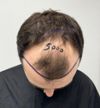
Injectable GHK-CU and BPC157 were discussed for hair loss, but users did not notice significant hair changes. BPC157 was noted to help with shoulder issues.
Celonius discusses hair loss and plans for a FUE Hair Transplant, but worries about how it will look when shaved in the future. Derhab21 suggests going for the transplant and mentions potential future treatments like Breezula and stem cell injections.
A user shared their positive experience with a 3200 graft hair transplant surgery, costing 1.20 lakh INR, performed by a doctor with a background at Eugenix. Post-surgery, they were instructed to use minoxidil 5% topically, take finasteride tablets, and undergo PRP treatments.
The user experienced no improvement in hair loss with finasteride and minoxidil but had side effects. They plan to add wounding, scalp massage, vitamin K, and taurine supplements to their regimen and seek feedback on these additions.
Excess Vitamin A and topical retinoids can cause diffuse hair shedding. The user suspects their chronic telogen effluvium may be linked to using adapalene, a topical retinoid.
User regrew lost hair using microneedling, minoxidil, finasteride, Nizoral, fish oil, and collagen peptide. Progress was slow but constant, and patience was important.
The user experienced hair regrowth after using finasteride for three months and microneedling with a dermapen for a month and a half. Many responses confirm noticeable hair thickening, though some suggest waiting longer for more definitive results.
Ibrox1972 shared an 8.5-month update on their 2,689-graft hair transplant by Dr. Raghu Reddy in London, along with using oral finasteride, oral minoxidil, and microneedling. Users praised the natural-looking results and discussed the importance of choosing a skilled doctor.
The conversation discusses a patent filed by Shiseido for cloning Dermal Papilla (DP) cells to treat hair loss. The method involves using viral vectors to maintain the cells' growth-inducing properties, differing from Replicel's approach with Dermal Sheath Cup (DSC) cells.
The user experienced hair regrowth using topical finasteride 0.1%, minoxidil 10%, and microneedling over a year, recovering about 5 years of hairline and 3 years of density. The treatment was applied to the temples and frontal area, with some recovery in the coronal area attributed to microneedling.
The user is satisfied with hair transplant progress after 4 months, using finasteride, vitamins, shampoo, and serum for hair loss. Others compliment the results and anticipate further improvement.
The individual had a hair transplant in Turkey with 4052 grafts, resulting in significant hair growth and increased confidence. They use finasteride, rosemary oil, and vitamins, and are pleased with the natural-looking results, encouraging others to consider similar treatments.
The user experienced noticeable hair regrowth after using finasteride for 2 years, oral minoxidil for 1 year, and recently starting dermarolling. The right temple shows significant improvement, while the left remains similar.
A user shared impressive progress at 4 months post-hair transplant with 5120 grafts by Dr. Ahmet Yildirim in Istanbul. The user expressed satisfaction with the results, which exceeded expectations.
Users discussed using GHK-Cu and AHK-Cu peptides with microneedling for hair loss, noting some small changes after 7-8 weeks. They mentioned continued shedding but no widening of the part.
Microneedling can cause skin shedding and inflammation, with some users adjusting needle size or frequency to reduce these effects. Some users combine microneedling with treatments like minoxidil, while others prefer smaller needles or alternative treatments like dutasteride.
A user developed AI software to simulate hair transplants on photos, helping people visualize potential results. The tool offers photo-realistic renderings but advises caution regarding exact outcomes due to various factors.
The conversation discusses hair loss concerns, specifically traction alopecia and hair loss from acne. It mentions that sleeping on one side is unlikely to cause traction alopecia.
A user shared their positive experience with a crown MicroFUE hair transplant at Boston Hair Restoration, highlighting the smooth procedure, minimal pain, and significant growth over 12 months. They used oral minoxidil, finasteride (transitioning to dutasteride), PRP sessions, and a LaserCap, achieving excellent results and full confidence.
The user shared their hair restoration journey, using dutasteride, topical minoxidil, and a 2,300 graft hair transplant, resulting in significant improvement. They are happy with the results and do not believe the hair system worsened their hair loss.
A user tried microneedling for hair loss with a Dr. Pen at 0.8 mm and experienced bleeding, questioning if the intensity was too much. Others suggested a less aggressive approach, and one mentioned finasteride as a helpful treatment without side effects.
A 32-year-old had a hair transplant in Istanbul for 2500€, using 2800-3000 grafts, and is not using finasteride or other medications long-term. The user is satisfied with the results but acknowledges the possibility of needing another transplant in the future.
Hair loss treatments discussed include microneedling, minoxidil, tretinoin, finasteride, dutasteride, pumpkin seeds, saw palmetto, and scalp massage. The consensus is that finasteride or dutasteride is necessary for significant regrowth, while other methods may only slow hair loss.
The conversation discusses concerns about body dysmorphia related to hair loss, with some users expressing frustration over posts claiming treatments like finasteride and dutasteride are ineffective or harmful despite minimal hair loss. It emphasizes the importance of early treatment with medications like finasteride and minoxidil for those experiencing hair loss.
Sunburns on the scalp can cause permanent hair loss, especially for those using Tretinoin or Tacrolimus. Wearing UPF 50+ hats is recommended to protect against UV radiation.
Microneedling at depths greater than 0.6 mm may damage miniaturized hair follicles, with 0.5 mm showing better results for hair regrowth. Combining microneedling with minoxidil enhances absorption, but caution is advised to avoid damaging follicles.
User had minor hair transplant in 2020, used Fin since 2008, Min since 2014, and added microneedling in 2022. Routine was irregular with no severe effects.
Microneedling and Platelet-Rich Plasma (PRP) are equally effective for treating androgenetic alopecia, with no additional benefits from PRP over microneedling. Both treatments are safe and well-tolerated.
The conversation is about hair regrowth using high-dose dutasteride, oral minoxidil, and microneedling. Users discuss seeing tiny hairs and hope they will become terminal, with advice to use derma rolling weekly for better results.