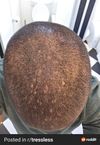
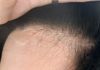
User reports 12-week progress with HIMS spray, Minoxidil, micro-needling, and biotin. Notable baby hairs on crown and temples, hoping for further improvement.
Verteporfin shows promise in donor hair regeneration after 84 days. Combining Finasteride, Minoxidil, and Pyrilutamide with unlimited hair transplants is seen as a potential near-cure for hair loss.
Getting a hair transplant without using finasteride or dutasteride for at least two years can waste donor hair, as these medications can lead to significant hair regrowth in areas like the crown and mid-scalp. Delaying a transplant allows for better results by maximizing natural regrowth and preserving donor hair for more needed areas.
The user had a hair transplant with 2000 grafts in the frontal and mid-scalp areas and has been using finasteride and minoxidil for 3 months. The crown area is expected to improve with continued treatment, and results are generally positive so far.
The conversation is about hair regrowth progress using a combination of treatments: dutasteride, minoxidil, RU58841, ketoconazole, and monthly microneedling. The user reports that microneedling and topical minoxidil had the most impact on their hairline.
The user noticed small circular hairless spots after a buzz cut and has been using finasteride, dutasteride, and oral minoxidil for hair loss. They are experiencing continuous shedding and thinning, and it is suggested they consult a dermatologist for a scalp examination and possible biopsy to determine if it's alopecia areata or androgenetic alopecia.
The user has been experiencing hair loss since having COVID and has low vitamin D levels; they are seeing some improvement in their crown and hairline after starting vitamin D supplements. Commenters suggest the hair loss pattern is consistent with male pattern baldness (MPD) and varies by individual.
A 28-year-old underwent three hair transplants totaling 11,102 grafts at Eugenix, using finasteride and minoxidil to manage advanced hair loss. Despite limited density, the results are satisfactory, allowing the individual to feel presentable without a hat.
The user experienced improved hair density and thickness after using finasteride and dermarolling for 2.5 years but noticed hair loss when doing anaerobic exercise. They increased their finasteride dose and continued dermarolling but are considering not starting minoxidil due to its perceived hassle and uncertain long-term benefits.
Excess sebum rich in cholesterol and triglycerides can lead to hair loss through inflammation, with treatments like Ciclopirox shampoo, Benzoyl Peroxide shampoo, and Clindamycin gel recommended for managing conditions like seborrheic dermatitis and folliculitis. Pioglitazone is suggested for Lichen Planopilaris, while Omega-3s and reducing processed foods may improve sebum quality, though genetic factors play a significant role.
The conversation is about seeking updates on new hair loss treatments, specifically mentioning scube3 and GT20029, with one person mentioning HMI_115 as showing promising results.
The user shared their 5-year hair journey, including a recent hair transplant of 2600 grafts, and their routine of using dutasteride, oral minoxidil, and ketrel. They are hopeful for high-density results and recommend starting treatment early.
The conversation discusses a new hair growth treatment that showed a 14 hairs/cm2 increase in a trial, with mixed opinions on its effectiveness and potential cost. Some users are hopeful about combining it with existing treatments like oral minoxidil for better results.
Tretinoin can irritate seborrheic dermatitis, but using it with a moisturizer on calm skin may help. Parallel Health's skin microbiome testing and phage therapy are suggested for persistent issues.
A participant using Veradermics VDPHL01, an extended-release oral minoxidil, experienced significant hair regrowth from Norwood 6 to Norwood 3V without side effects. They plan to use dutasteride after the treatment to maintain results.
The conversation discusses using tretinoin for hair loss and whether applying SPF on the scalp is necessary if hair covers the treated areas. The user is considering this treatment despite having no completely bald patches.
The user shared their positive experience with a 1,500 graft FUE hair transplant at NewHair Institute in Korea, highlighting the natural design by Dr. Jino Kim and the supportive staff. They experienced minimal discomfort and swelling, and appreciated the thorough aftercare and communication.
A young male in his twenties discusses hair loss, mentioning the use of Minoxidil, topical finasteride, and occasional derma rolling. He inquires about scalp inflammation, fibrosis, and the potential benefits of magnesium oil and scalp massages for improving blood flow and hair health.
A user underwent a hair transplant with 3500 grafts after trying treatments like finasteride and minoxidil, preferring a local clinic in Toronto over traveling to Turkey. The user plans to continue using finasteride to maintain existing hair, as the transplanted hair is DHT resistant.
The user is experiencing potential hair regrowth after 4 months of using a minoxidil and finasteride topical spray combined with microneedling 1-2 times a week. They notice some scalp redness and irritation but are unsure if the increased hair density is due to regrowth or longer hair.
The user experienced significant hair regrowth using finasteride, minoxidil, and microneedling, with plans to continue treatment. They are pleased with the results, noting increased hair density and a restored hairline.
The user underwent a DHI hair transplant with 3,066 grafts at Hairtec in the Netherlands and is using finasteride and minoxidil to restore hair, particularly at the crown. They plan to adjust minoxidil dosage and consult with a dermatologist in September.
A 20-year-old male experiencing hair loss is using finasteride for 8 months and is considering a digital perm but is concerned about potential hair damage, especially at the thinning hairline. Advice given includes continuing finasteride, using gentle hair products, and possibly trying topical minoxidil or CBD cream for scalp care.
User Tricky9555 tried various hair loss treatments for 8 months with no visible results. Others suggested considering a hair transplant, checking thyroid levels, and being patient for up to 24 months for potential results.
The user has been using a regimen including finasteride, minoxidil, various oils, and supplements for hair regrowth over 9–10 months. They observed fine hairs returning and a change in scalp texture after adding cinnamon oil, questioning if this change is a positive sign.
A user is experiencing hair loss in the center of their hairline and has been using topical finasteride for seven months with minimal progress. They are considering switching treatments due to concerns about losing ground and potential side effects of other options.
A new hair loss treatment, PP405, showed promising Phase 2a results with 31% of patients experiencing over 20% hair density increase without systemic absorption, avoiding hormonal side effects. The treatment is expected to be expensive, with Phase 3 trials starting mid-2026, and there is skepticism about the data's strength.
User shared a 10-month update after a 4000-graft hair transplant, using finasteride, minoxidil, hair density shampoos, hair oils, and vitamins. Replies suggest patience as crown growth can take up to 18 months.
User experienced hair thinning after losing 100 lbs and started Dutasteride treatment. They faced side effects like fatigue, brain fog, and insomnia but no erectile dysfunction.