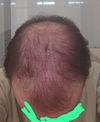
The user healthydudenextdoor starting a new topical anti-androgen hair loss treatment, Pyrilutamide, and discussing their current regimen of finasteride and minoxidil.
Some users have experienced good hair regrowth with estradiol, cyproterone acetate, spironolactone, and bicalutamide, but these treatments may cause feminization and other side effects. It's advised to consult a doctor before using these treatments, as they can lower testosterone and have significant risks.
A 21-year-old is experiencing aggressive hair loss and dandruff, possibly due to seborrheic dermatitis, and is using pumpkin seed oil, scalp massages, and anti-dandruff shampoo as treatments. They are hesitant to use prescribed Finasteride and Minoxidil and have noticed some improvement after stopping Serenoa capsules.
The user experienced significant hair recovery after 14 months using oral Propecia (finasteride) 1 mg daily and oral minoxidil, and recently added topical minoxidil and topical Propecia to their regimen. The doctor recommended this combination to maximize results, and the user reported no side effects, noticing improvements by the third month.
A 32-year-old male started taking 0.5mg of finasteride daily for hair thinning and, after 8 weeks, experienced a 70% reduction in DHT and an increase in estradiol; he is currently in the shedding phase of treatment and questioning if the dosage is correct based on his DHT levels. He began with a lower dose due to already low normal testosterone and DHT levels.
A user shared their 12-month progress using 0.5% Pyrilutamide once daily, 0.025% topical finasteride once daily, 5% Minoxidil twice daily, and microneedling 3 times a week. They reported good progress but noted a slowdown in recent months, hoping for thicker hair soon.
The user reported progress in hair regrowth after 3 months using finasteride, biotin, and minoxidil, with no sexual side effects. Most responses noted significant improvement, encouraging continued use for full results.
The user is experiencing breast tenderness and lumps after three weeks on 0.5 mg oral finasteride, a common side effect. They also report mild brain fog and fatigue but are less concerned about these symptoms.
PP405 shows promise in hair loss treatment, but stem cell therapy using adipose-derived stem cells and ATP also successfully reversed androgenetic alopecia in mice. Stem cell therapy is costly, and some doubt the effectiveness of PP405 based on press releases.
RU58841 worsened hair condition, causing thinning and unusual patterns. The user stopped using it two months ago but hasn't seen recovery, and there's speculation about androgen receptor upregulation.
The user experienced significant hair regrowth after 2.5 years of using Minoxidil 5% and hormone replacement therapy (HRT) with Lupron, despite initial scalp irritation. Finasteride was ineffective for them.
The user started using pyrilutamide for hair loss on January 24, applying 1ml daily without other treatments, and after 10 days noticed reduced hair shedding and improved hair quality, with plans to continue for at least 6 months. They experienced chest pain initially, which could be related to starting methylphenidate or pyrilutamide, but the pain has since subsided.
PP405 shows promise for hair follicle reactivation with minimal side effects. Users recommend continuing Minoxidil and Finasteride until more results are confirmed.
Delayed release oral minoxidil is seen as a promising advancement for hair loss treatment, offering safer, higher doses and more consistent hair follicle stimulation compared to current options. However, it is not expected to replace finasteride or dutasteride, as it does not prevent androgenetic alopecia.
A user shared a 2-year hair regrowth progress using 1mg finasteride daily and topical minoxidil twice daily, with noticeable thickening after 7 months. Other users discussed the commitment required and potential side effects, but the original poster experienced no side effects.
PP405 is a potential hair loss treatment undergoing trials, with discussions on its effectiveness and comparison to existing treatments like finasteride and minoxidil. There is skepticism about its status as a cure, with hopes for future advancements in genetic treatments like CRISPR.
A doctor advised against using finasteride or dutasteride during pregnancy. The user continues with oral and topical minoxidil, microneedling, tretinoin, Nizoral, and pyrilutamide.
The conversation is about the use of peptide therapies for hair loss, specifically GHK-CU, ZN-Thymulin, and PTD-DBM. The user is seeking feedback on the effectiveness of these treatments from those who have tried them.
A 33-year-old man experienced diffuse thinning and hair shedding due to sleep deprivation and low testosterone. After starting hCG treatment, he noticed hair regrowth on his temples.
A 30-year-old shared positive results after 6 months of using 1mg oral finasteride daily for hair loss, without minoxidil. Hair loss stopped around month 2, and noticeable regrowth began around month 4.5, with no side effects reported.
A 19-year-old trans man has been using Finasteride 1mg for a little over two months and is concerned about worsening hair loss, noting a fuzzy and soft hairline and crown. The user is upset as the hair loss appears worse than before starting the treatment.
The user noticed hair thinning and has been using a treatment with minoxidil 2%, hydrocortisone butyrate, and 17 alpha estradiol for three months, seeing some regrowth. The user had dermatitis, now cured, which worsened the hair loss.
PTD-DBM is a Korean-developed treatment for hair loss, with limited information available and some users testing it personally. A user purchased PTD-DBM for $115 and plans to test it on their temples, but its effectiveness and authenticity remain uncertain.
Hair loss discussion involved Finasteride, Minoxidil, and RU58841. User experienced sudden shedding after 1.5 years of Finasteride and Minoxidil use, seeking advice.
The user plans to test for DHT, total testosterone, free testosterone, E2, SHBG, and prolactin while supplementing with vitamin D and monitoring ferritin levels. They are experiencing hairline thinning and are seeking advice on whether their approach is excessive or lacking.
The user started using topical minoxidil, oral finasteride, GHK-CU, and HGH in October, resulting in thicker hair and improved overall health. They experienced minor side effects like dehydration from HGH but reported benefits like clearer skin, better recovery, and muscle gain.
The conversation discusses side effects of finasteride, including low libido and potential gynecomastia, with some users mocking fear-mongering while others share personal experiences. The original poster mentions using finasteride, peppermint oil, coconut oil, olive oil, and Pennzoil, and considers saw palmetto as an alternative.
The user reported significant hair regrowth after seven months using topical minoxidil 5% combined with 0.1% finasteride and weekly micro needling. The community responded positively, noting visible improvement and discussing the effectiveness of topical versus oral finasteride.
PP405 shows promise for hair growth with significant results after 4 weeks, but skepticism exists due to its unavailability. Some users are hopeful for its potential, while others express concerns about side effects and market release delays.
A user experienced severe side effects, including erectile dysfunction and testicular pain, after taking finasteride for hair loss. They recommend sticking to minoxidil and biotin and avoiding finasteride due to potential risks.