Search
for
Sort by
Community Join
600-630 / 1000+ resultscommunity What happened to L'Oreal Serioxyl?
A user noticing changes in the L'Oreal Serioxyl hair treatment, including a different smell, mismatched batch numbers, and a color change. They question if it's a new formula and seek alternatives to stemoxydine. Another user questions if the positive results were due to stemoxydine or other medications.
community clascoterone powder to topical diy
The conversation is about making a topical solution from clascoterone powder, with references to using a RU58841 mixing guide for guidance. Concerns about product authenticity and bulk purchase requirements are also discussed.
community Sulforaphane Topical to Degrade DHT - For People Who Want to Try the Theory that Explains Everything
A user suggests making a potent sulforaphane topical to degrade DHT and promote hair growth. Another user notes that sulforaphane's low molecular weight might also lower systemic DHT.
community Can valisone solution cause hairloss?
A user is concerned that prolonged use of valisone (betamethasone) and clotrimazole solution for scalp dermatitis may be causing hair thinning and loss. They noticed thinning in the area where the solution was applied.
community Any concrete cases of people who were told they couldn't have a transplant because of microneedling?
Microneedling before a hair transplant may harden the scalp and affect blood circulation, potentially impacting graft growth. Some users report successful transplants after microneedling, while others advise caution and consulting with a surgeon.
community Is it safe to combine topical Dutasteride with topical RU58841?
The user experienced severe side effects when using topical Dutasteride and RU58841 together and is considering using them at different times of the day. They are seeking advice on whether this approach might reduce side effects.
community Warning: Minoxidil usage around pets
Minoxidil is highly toxic to pets, especially cats and dogs, even in small amounts. Many users have switched to oral minoxidil to prevent accidental exposure to their pets.
community Why do I have the feeling that this subreddit is flooded by Kintor employees?
Users discuss aggressive promotion of Koshine 826, suspecting Kintor employees are behind it. Concerns are raised about its effectiveness, with some preferring alternatives like finasteride and minoxidil.
community Minoxidil Non-responders: Have you tried Minoxidil Sulfate?
Minoxidil non-responders may benefit from using minoxidil sulfate due to reduced sulfotransferase activity in their scalps. Users are encouraged to share their experiences with minoxidil sulfate.
community Made an interesting observation today (caffeine, nicotine)
The user observed that stopping nicotine and caffeine improved their scalp health while using oral finasteride. However, relapsing with caffeine and nicotine caused scalp tightness and inflammation.
community Who's tried these topical solutions?
Topical melatonin, caffeine, and adenosine have shown impressive results in increasing hair density by 55% in 8 weeks, according to a Medium article.
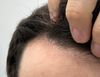
community Bumps After 1 Month of Weekly Microneedling at 1mm
Microneedling once a week at 1mm caused bumps, possibly scars, in the treated area. The user is considering cleaning the skin before microneedling to prevent this issue.
community im gonna nuke and destroy DHT :angry_emoji: 😡😡😡😡👌
A 16-year-old is experiencing hair loss and is using minoxidil, finasteride, and plans to add RU58841, while considering other treatments like MK-677 and microneedling. Concerns are raised about the potential impact of these treatments on puberty and development.

community 7 Months on Hims Solution, Increased Shedding at Temples - Switch to Oral?
The user is experiencing increased hair shedding after 7 months of using a topical solution and is considering switching to oral treatment. They are concerned about thinning hair around the corners and temples.
community Lipisomal Solution (Dutasteride / Tretinoin & Minoxidil & Tretinoin) Horror Story Warning
Using liposomal solutions with dutasteride, minoxidil, and tretinoin worsened hair loss due to buildup and scalp issues. Consulting a professional and returning to simpler treatments like finasteride and minoxidil improved the situation.
community No sides with Ru58841 mixed with stemoxydine, yet sides mixed with fluridil
User mixed RU58841 with stemoxydine, experienced no side effects. Mixing RU58841 with fluridil caused chest tightness.
community Experience with Redensyl?
Hair loss treatments, specifically experiences with Redensyl as well as other treatments such as Minoxidil, finasteride and RU58841.
community Anyone on meds on TRT or gear??
The conversation discusses the use of TRT, dutasteride, minoxidil, and potentially RU58841 for hair loss. Concerns about the risk of developing Cutis verticis gyrata with minoxidil and TRT are raised.
community peptides seems to have dramatically decreased hairloss!
Peptides like GHK-Cu, BPC-157, and TB-500 have significantly reduced hair loss, with GHK-Cu being particularly effective. The discussion also covers the high cost of these peptides and explores more affordable purchasing options.
community Could Eating disorders induce secondary effects on finasteride?
A user experienced a loss of libido and anhedonia after severe dietary restriction while on Finasteride and Minoxidil for hair loss. They are considering reducing the Finasteride dose or taking a break to see if symptoms improve.
community Should i try 0.25/0.5mg or topical after sides on 1mg
The user experienced chest soreness and mild gynecomastia after taking 1mg finasteride three times a week, which resolved after stopping the medication. They are considering trying a lower dose or topical finasteride to avoid side effects.
community Anyone else get a whitish residue buildup on their temples from minoxidil/fin spray?
A user experiences a whitish residue buildup on their temples from using a compounded minoxidil and finasteride spray. Suggestions include ensuring a clean scalp before application, adjusting timing, using a moisturizer, and considering oral treatments to avoid residue.
community just found out dutasteride powder isn’t being absorbed properly
community How do you prevent infection with derma needling / derma stamping?
The conversation discusses preventing infection from derma stamping for hair loss treatment, with suggestions to reduce needle depth and consider alternatives like tretinoin. The user experienced irritation possibly from zinc chloride and stopped using the shampoo and derma stamping.
community Can Whey Protein isolate make your AGA worse?
Whey protein isolate may worsen androgenetic alopecia (AGA) due to its potential to increase DHT levels, but finasteride use has helped maintain hair. Some users suggest avoiding protein supplements due to possible contaminants and additives that could affect hair health.
community Experiencing Side Effects 3 Days into Topical Fin; Long-term Topical Min User Seeking Advice on Dosage
The user started using topical finasteride three days ago alongside minoxidil and is experiencing testicular pain, which they believe is a nocebo effect. They are anxious about the dosage and seeking advice on whether increasing the application frequency affects the overall dosage.
community Combining topicals together or use them separately
Combining Minoxidil with Finasteride or RU58841 may cause interference, irritation, or reduced absorption. It might be better to apply one topical at a time and wait an hour before applying another.
community Has Anyone Gotten Results With TH16?
The conversation discusses using TH16, a topical melatonin with resveratrol, and stemoxydine for hair maintenance, avoiding finasteride and minoxidil due to side effects. The user is considering a low-dose topical finasteride despite sensitivity.
community Had to quit minoxidil because of headaches
The user stopped using minoxidil due to headaches, which returned upon resuming the treatment, leading to hair shedding concerns. Alternatives like finasteride and diluted minoxidil were suggested by others experiencing similar side effects.