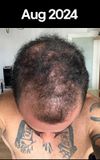
The conversation discusses the use of TRT, dutasteride, minoxidil, and potentially RU58841 for hair loss. Concerns about the risk of developing Cutis verticis gyrata with minoxidil and TRT are raised.
A 31-year-old individual started taking finasteride 24 days ago to address hair thinning and loss, which has worsened their mood and stress. They have not yet added minoxidil and are experiencing significant shedding, contributing to sleep issues and insecurity about their hairline.
The user is experiencing hair regrowth after three months using minoxidil, 1.25mg finasteride, ketoconazole cream, and a 1.5mm derma roller. They are considering reducing their finasteride dose due to decreased libido.
Oleic acid and microneedling are being explored for hair regrowth, but results are mixed. Addressing DHT and fibrosis is crucial, with treatments like finasteride, minoxidil, and scalp massage also discussed.
The user is unsure if their hair shedding after switching to low-alcohol minoxidil and using rosemary oil is a sign of hair regrowth or actual hair loss. They have been using minoxidil and finasteride for years without experiencing similar symptoms until now.
A 25-year-old male with androgenetic alopecia experienced improved hair condition after using finasteride, oral minoxidil, and dutasteride, but later faced diffuse thinning and texture deterioration after a shedding phase. Others suggest patience, continued treatment, and using ketoconazole shampoo, with some sharing similar experiences of post-shed thinning.
The conversation humorously discusses hair loss treatments, including Minoxidil, finasteride, and RU58841, and debates the merits of being bald versus using hair systems. Opinions vary on confidence and attractiveness related to baldness and hair systems.
A 26-year-old from the UK is experiencing increased hair thinning despite using dutasteride and topical minoxidil. They are considering additional treatments like ketoconazole shampoo, oral minoxidil, and possibly RU58841, while seeking advice on managing side effects and exploring other options.
A 25-year-old is using 1.25mg finasteride six times a week and 5% topical minoxidil daily for hair loss. They are experiencing reduced libido and erectile issues, possibly due to stress, and are questioning if the finasteride dosage is affecting DHT suppression.
The conversation discusses concerns about using a high concentration of 1% topical finasteride for hairline balding, with some users suggesting starting with a lower dose. It also mentions the use of GHK-CU peptide and the importance of considering the formulation to avoid excessive absorption.
A 31-year-old with diffuse thinning experienced significant hair regrowth after nearly 5 months on Finasteride 0.75mg MWF. Despite initial side effects like testicle pain and reduced sex drive, these issues resolved, and positive effects included reduced nighttime urination and scalp itching.
A 24-year-old experienced improved hair growth using 5% minoxidil, 1 mg finasteride, and dermastamping, but faced side effects like low libido and mild erectile dysfunction. They plan to reduce finasteride dosage after full results and may consider a hair transplant if thinning recurs.
The conversation discusses whether to use finasteride for hair loss, considering its role in inhibiting DHT and 5AR, which can affect brain function and mood. Some users report anxiety and depression from finasteride, while others do not experience these side effects and emphasize the importance of DHT for brain and prostate health.
A 21-year-old male diagnosed with telogen effluvium and male pattern baldness started oral finasteride, which initially slowed hair loss and slightly thickened hair, but experienced increased shedding after surgery. The doctor recommended iron and vitamin D supplements, and the user is seeking additional advice.
A 30-year-old male, 19 days post-hair transplant, is experiencing normal shedding and is concerned about hair loss. He is taking Dutasteride and Minoxidil tablets daily and is advised to trust the process as shedding is a typical phase.
The conversation is about a user considering joining a clinical study for Clascoterone (Breezula) after experiencing no results with topical finasteride and minoxidil, and side effects from oral finasteride. The user is seeking advice on clinical study participation and experiences.
A user started taking 0.625mg oral minoxidil daily for hair loss, increased the dose to 1.25mg, and experienced a significant shed, losing 70% of scalp density. They cannot tolerate finasteride due to side effects but are hopeful for hair regrowth despite the shedding.
Beta-sitosterol may inhibit 5-alpha reductase type 2 enzyme, potentially reducing DHT levels and promoting hair growth, similar to finasteride but possibly with fewer side effects. Its effectiveness and side effects compared to other treatments like saw palmetto and finasteride remain uncertain due to limited research.
The user is experiencing diffuse hair thinning despite using dutasteride and minoxidil for over five years and is considering adding oral minoxidil, microneedling, and nizoral to their regimen. They are concerned about the effectiveness and side effects of these treatments, especially with an upcoming event.
The user shared their 6-month progress using 0.25 mg finasteride, topical minoxidil, and dermastamping, noting good results but experiencing increased sleepiness. Another user suggested minoxidil might be causing the sleepiness, and the original poster considered adjusting their treatment.
The conversation is about a user considering reducing their dutasteride dose due to side effects like lower libido and watery semen. They plan to use dutasteride mesotherapy every three months to maintain hair while reducing systemic DHT suppression.
A 20-year-old is experiencing hair shedding two months after starting 2.5mg oral minoxidil and topical finasteride. They notice thinning in areas where finasteride is applied but also see new baby hairs growing.
The conversation discusses the effectiveness of finasteride and microneedling for treating hair loss. The linked article is seen as an advertisement for these treatments.
GentleIris stopped hormone-induced hair loss with diet changes but couldn't regrow lost hair. A reply suggested microneedling instead of Platelet-Rich Plasma Therapy (PRP) for hair regrowth.
The user is considering switching from a topical minoxidil and finasteride solution to oral minoxidil to improve hair growth, while maintaining oral finasteride. They are concerned about potential shedding and whether they can maintain any new growth.
A user discusses using a serum called Dallixa, containing minoxidil-like and bimatoprost-like compounds, for hair loss and greying. The user's dermatologist advised against finasteride and suggested the serum might improve hair pigmentation.
The user is experiencing hair shedding after using oral finasteride and topical minoxidil, questioning if this is normal. They are concerned about thinning at the hairline despite using these treatments.
GT20029 is a topical treatment that degrades androgen receptors to prevent hair thinning and loss, potentially offering fewer side effects than systemic treatments like finasteride. Concerns include its impact on hair texture and potential systemic effects, with market availability speculated in 3 to 5 years.