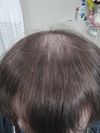
An 18-year-old with diffuse hair thinning is considering switching from a topical Minoxidil 10% + Finasteride 0.1% solution to Minoxidil 5% foam and oral Finasteride 0.5mg, while also addressing vitamin D deficiency and potential scalp inflammation. Users suggest using Nizoral shampoo for inflammation, considering dutasteride for better results, and maintaining vitamin D levels to protect hair follicles from DHT.
User tried oral finasteride, topical finasteride, topical dutasteride, and RU58841 but experienced side effects. They discuss upcoming treatments like clascoterone, pyrilutamide, gt20029, and KY19382 as potential options.
Zeuss sublingual products for hair loss, including finasteride and a finasteride-free option, are discussed for their potential to reduce side effects through sublingual delivery. The inclusion of copper peptides is noted, but the high price is a concern without more user feedback.
PP405 is a promising new hair loss treatment that may reactivate dormant hair follicles without side effects. It could surpass traditional treatments like minoxidil and finasteride if successful in further trials.
New hair loss treatments like GT20029 and PP405 could potentially replace minoxidil and finasteride, offering better results with fewer side effects. However, current treatments like finasteride and minoxidil are still effective for many, despite concerns about side effects.
Trans woman experiences hair thinning despite low testosterone and treatments like finasteride and microneedling. Possible causes discussed include past eating disorder and current stack of medications and supplements.
A user discovered CosmeRNA, a new hair loss treatment with clinical research backing, set to release soon. The conversation revolves around its potential effectiveness, cost, and how it compares to existing treatments like Minoxidil and Finasteride, with some users expressing hope for a side-effect-free option.
A 19-year-old male experiencing diffuse hair thinning has been using oral minoxidil and finasteride for 6 months with no improvement. Suggestions include continuing the treatment, checking for underlying conditions, and considering nutritional or hormonal causes.
The trichologist avoids recommending Minoxidil, focusing instead on changing medications monthly for seborrheic dermatitis, resulting in only slight improvement in hair quality and loss. The user is considering starting Minoxidil independently due to slow progress and personal distress.
A sugar gel is claimed to spark hair regrowth, but users express skepticism, noting that minoxidil and finasteride remain the most effective treatments. Many users joke about frequent "breakthroughs" that work on rats but not humans, and some mention the potential of PP405 as a future treatment.
High frequency ultrasonography and HR-MRI can help identify hair shedding causes like inflammation and fibrosis. The conversation discusses the potential of using these technologies to evaluate treatments like Verteporfin for hair regeneration.
Hair loss treatments that avoid significantly lowering systemic DHT levels, focusing on topical options like dutasteride mesotherapy, minoxidil, and ketoconazole. The user is exploring alternatives like KX-826 and RU58841 due to concerns about hormone levels.
The user began experiencing hair loss a few years ago at age 22 and is a diffuse thinner with a Norwood scale rating of 2. They have a naturally athletic build and gain muscle easily, with a hairy chest and stomach.
The conversation humorously discusses the fictional "Post PP405 Syndrome" and the idea of starting a foundation or cult around it. It mentions skepticism about the effectiveness of PP405 and jokes about future therapies.
Some men look better with shaved heads due to facial features and low body fat, while others believe a perfect hairline enhances attractiveness. Treatments like finasteride might be used to maintain a perfect hairline.
Using a microdose of finasteride on the scalp with minoxidil as a carrier may have positive effects with minimal side effects. The user is also considering the effects of sulforaphane or broccoli sprouts on hair loss.
Peptides like TB500, KPV, GHK-CU, and BPC-157 are overhyped for hair growth with limited proven effectiveness in humans. Combining peptides with delivery methods like iontophoresis and sonophoresis shows promise, but many claims remain unproven.
There are no tests to determine genetic follicle sensitivity for hair loss, and conclusions are based on hypothetical or post-balding observations. Finasteride is mentioned as an easy, consistent treatment option compared to natural treatments.
Minoxidil may cause wrinkles and dark circles, which some users report can be mitigated by adjusting dosage. Reactions vary, and while some dismiss these side effects, others experience significant changes.
The conversation discusses hair loss treatments, specifically Minoxidil, finasteride, and RU58841. It highlights the South Korean president's push for public health coverage for hair loss.
TE (telogen effluvium) is often misunderstood and is triggered by severe stress or trauma, not minor daily inconveniences. Most hair loss cases are due to male pattern baldness (AGA), and treatments like Minoxidil and finasteride can help.
A 24-year-old male is experiencing hair thinning and feels hopeless, considering treatments like finasteride and minoxidil but is concerned they might not work. He is also contemplating a dermatologist visit and is unable to afford a hair transplant.
PP405 is considered a promising hair loss treatment, potentially replacing minoxidil but not finasteride. Users are hopeful for future treatments like GT20029 and VDPHL01, while remaining cautious about effectiveness and side effects.
CB-03-01 is considered a failed treatment for hair loss, with future hopes pinned on PP-405 and GT-20029, expected by 2030. Alternatives like hair transplants and SMP are discussed, while some users express frustration over the slow progress of treatments like Breezula.
The conversation is about hair loss and the possibility of maintaining a full head of hair while using anabolic steroids. Some users believe that having good hair genes and taking hair loss protocols can help prevent hair loss while on steroids.
Considering treatments for hair loss, including Minoxidil, Finasteride, RU58841, Fluridil and Pyrilutamide. The user is weighing the risks of taking unapproved medication before it has been mass produced.
Pumpkin Seed Oil and Perilla Oil (with alpha-lipoic acid, linoleic acid, and oleic acid) are discussed as potential 5alpha-reductase inhibitors. The conversation focuses on their effectiveness for hair loss treatment.