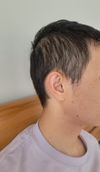
The user is experiencing excessive hair thinning and is unsure of the cause. They are seeking opinions on treatments like Minoxidil, finasteride, and RU58841.
The conversation discusses changes in scalp texture and appearance in areas of hair loss, with concerns about the suitability of these areas for hair transplants. Users mention issues like fibrosis, inflammation, and thinner skin, advising caution and consultation with clinics before proceeding with transplants.
The user experienced hair regrowth with Minoxidil but noticed some hair loss after stopping microneedling for two months. They are hesitant to use finasteride again due to side effects and are considering other DHT blockers.
The post humorously discusses an exaggerated hair loss treatment regimen including minoxidil, finasteride, microneedling, and "demon blood." Replies joke about the regimen and suggest alternative sources for "demon blood."
A user shared progress pictures 1.5 months after a hair transplant of 3500 grafts, using oral finasteride, topical finasteride, minoxidil, and vitamins. They are concerned about potential shock loss and the thinning appearance.
Astaxanthin may cause increased hair shedding, affecting even transplanted hair and eyebrows. The user has tried various treatments for androgenic alopecia, including minoxidil, finasteride, and RU58841.
The user shared their 10-month hair loss treatment progress using Finasteride, Topical Minoxidil, and microneedling, noting significant improvement in their hairline. They also mentioned that Finasteride helped with acne, and other users discussed additional treatments like tretinoin and observed hair regrowth patterns.
The conversation discusses hair regrowth after a health condition, with the appearance of white substance on the scalp. Suggestions include it being sebum or White Piedra, with a recommendation to try Nizoral.
The conversation discusses the potential for Verteporfin to reduce scarring, making hairline lowering surgeries more viable for men with mild hair loss. The user suggests that if scarring can be minimized, men might opt for hairline lowering instead of using grafts for other areas.
The user is experiencing hair loss despite using estradiol, bicalutamide, dutasteride, and topical minoxidil. They stopped minoxidil temporarily, which worsened their condition, and are considering oral minoxidil but are concerned about side effects and cost.
A user who initially had positive results with oral finasteride, topical minoxidil, and microneedling for hair loss, but experienced side effects like fog and depression. After stopping and losing progress, they restarted with topical treatments and microneedling, reporting good results and no side effects.
PP405 increased hair density by 20% in 31% of participants, but results are considered underwhelming. Minoxidil and finasteride are seen as more effective treatments.
The reduction in scalp oiliness is likely due to finasteride reducing DHT levels and the use of ketoconazole shampoo. The combination of these treatments may have decreased sebum production.
The user is experiencing hairline thinning despite using finasteride, minoxidil (solution and foam), dermastamping, and tretinoin. They suspect minoxidil or tretinoin might be causing the issue but are unsure.
A 21-year-old is experiencing significant hair loss and considering treatments like dutasteride, minoxidil, and possibly a hair transplant. Others share their experiences with finasteride, scalp micropigmentation, and hair transplants, discussing the emotional impact and offering support.
The conversation is about the potential benefits of Rapamycin for hair pigmentation and regeneration, based on effects observed in mice. The original poster is seeking personal experiences from others using Rapamycin for longevity.
Microneedling for hair regrowth, using a 1.0 dermastamp, is discussed with a focus on achieving slight redness without bleeding. Minoxidil is mentioned as an effective treatment when used after dermastamping.
Hair fibers impressively cover bald spots, boosting confidence. User started big 3 treatment (0.5mg fin, 1 time minoxidil 5% topical, ketoconazole 2%) for regrowth.
Women also experience hair loss, especially post-menopause, often requiring lifestyle changes. Treatments include Scalp Micropigmentation, hair transplants, and sometimes finasteride, with underlying causes needing medical evaluation.
The conversation is about using topical melatonin for hair loss and seeking advice on a safe mixing solution or pre-mixed product. Specific treatments mentioned are minoxidil, finasteride, and RU58841.
A 16-year-old female experiencing severe hair loss and sebum buildup, likely due to telogen effluvium and PCOS, is currently using vitamin D3 supplements, Redenser serum, and T follihair supplements. Recommendations include addressing PCOS first and consulting a doctor.
The conversation discusses using homemade topical finasteride for hair loss, showing an increase in DHT levels despite treatment. The user applies 0.125mg daily, resulting in 113.4% of previous DHT levels.
The conversation discusses the use of low-dose oral minoxidil for hair loss and its potential effects on skin aging. Users shared experiences, with some noting side effects like puffy eyelids and dark circles, but no conclusive evidence of significant collagen depletion or increased wrinkles.
The user experienced significant hair regrowth using finasteride, minoxidil, and microneedling but later faced rapid thinning despite consistent treatment. They plan to switch from finasteride to dutasteride and consider oral minoxidil if the situation doesn't improve.
The user stopped using topical minoxidil and finasteride after 2.5 months and switched to oral finasteride, 1mg daily, and did microneedling 1.5mm seven times. They experienced occasional sleep issues and watery semen as side effects, which stopped after discontinuing the topical treatment.
The user "Bishiop" shared a progress update on their hair density and strength after adding Minoxidil to their routine. They are also using Finasteride and microneedling. They hope to fill in their hairline by the end of the summer.
A user experienced rapid hair loss and was prescribed Desonide cream for mild Alopecia. They are seeking feedback on its effectiveness and potential side effects.
HMI 115 did not work as expected for hair regrowth in humans, unlike in macaque monkeys. There is anticipation for further research on prolactin's role in hair loss, with expectations that pharmaceutical companies will likely solve this before universities.