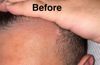
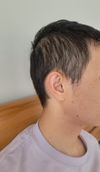
The user documented eight weeks of progress using 5% topical minoxidil, 1 mg oral finasteride, and weekly microneedling. They reported diffuse fill-in and new baby hairs, with plans to taper off topical minoxidil.
The user is frustrated with the lack of visible hair regrowth after 7-8 months of using finasteride and minoxidil, despite initial vellus hair growth. Others suggest patience, switching to oral minoxidil, or using additional treatments like dermastamping, microneedling, and red light therapy.
A user's 6-month journey to treat their hair loss using 1mg finasteride twice daily, topical minoxidil, vitamin D3, keto diet, and microneedling. They experienced shedding at the end of month 3 but have seen progress in recent months despite this.
A user noticed hair loss since age 16 and is now using minoxidil 5% twice daily, scalp massages, and a derma stamp weekly, along with Alpecin Caffeine Shampoo. They report seeing new hair growth and are happy with the progress.
The user "cooler1082" shared their progress pictures for hair loss after using topical finasteride, minoxidil, latanoprost, and biotin. Other users commented on the positive results and asked about the specific dosages used. One user mentioned that latanoprost is an eye medication that has shown some potential for treating hair loss.
The user has been using finasteride and topical minoxidil for 15 months but is experiencing constant hair shedding, similar to telogen effluvium, despite stable widow peaks. They have checked for vitamin and mineral deficiencies, consulted specialists, and are considering further investigation like a scalp biopsy.
Hair loss user increased oral minoxidil dose, causing more shedding. Uses 1mg finasteride, Lonitab, and Stemoxydine 5%, expects denser hair in a few months.
A user is confused about a dermatologist's positive assessment of their scalp despite concerns about their hairline. They discuss using oral minoxidil, concerns about side effects from finasteride, and difficulty finding topical finasteride.
Topical pirfenidone is highlighted as an effective anti-inflammatory and anti-fibrotic treatment for hair loss, particularly in addressing perifollicular fibrosis, which may enhance the effectiveness of standard treatments like finasteride and minoxidil. The user also uses calcipotriol, MCT oil, ciclopirox shampoo, and benzoyl peroxide shampoo as part of their regimen.
The user has been using finasteride and topical minoxidil for 8.5 months, with initial progress slowed due to stopping microneedling. They plan to resume microneedling and consider a hair transplant in the future.
FluffyyKoala shared their 6-month hair regrowth journey using finasteride, minoxidil, and microneedling, with positive results and minimal side effects. Others in the conversation shared their experiences, asked questions, and congratulated FluffyyKoala on their progress.
Unusual hair growth can occur in unexpected areas, possibly due to topical treatments like Minoxidil. Such hair may appear suddenly and is often unrelated to typical hairline patterns.
The user noticed new dark hairs growing in previously bald areas after using oral finasteride and minoxidil for a month. They are pleased with the progress and find it interesting, even though they are content with a shaved head.
A trans woman is using finasteride, minoxidil, microneedling, and HRT to address hair loss, with noticeable improvement in hairline shape and presence of vellus hairs. She is considering hair transplants if these treatments don't yield desired results within a year or two.
A user shared progress pictures showing hairline improvement after 2 years of using topical Minoxidil, 1mg oral Finasteride, and sporadic microneedling. Another user praised the progress and shared mutual encouragement.
The user experienced significant hair regrowth using KX-826 (pyrilutamide) 0.9% over one year, despite initial shedding phases. They reported no side effects and have stabilized hair loss with consistent use.
The conversation discusses hair loss treatments, specifically the use of topical minoxidil and derma-stamping, with suggestions to add finasteride or dutasteride for better long-term results. Ketoconazole shampoo is also considered for scalp health.
A user's progress with hair loss treatments, including Dutasteride, Minoxidil (oral and topical), Microneedling, and RU58841, which resulted in positive results after 5 months. Another user commented on the faster growth at the front compared to the crown.
A man in his twenties experiencing hereditary hair loss has been using 5% Minoxidil, a derma roller, Vitamin D3, and recently started Finasteride. He has noticed baby hairs appearing, indicating some regrowth, and is advised to continue the treatment consistently for several months to potentially see significant results.
The user is experiencing excessive hair thinning and is unsure of the cause. They are seeking opinions on treatments like Minoxidil, finasteride, and RU58841.
The user shared a 9+ month hair loss treatment progress with 1mg finasteride in the morning, 2.5mg oral minoxidil at night, and vitamin A spray at night, noting the importance of seeing a dermatologist early as their cousin started treatment too late for it to be effective.
The user shared a 5-month update on using finasteride, minoxidil, and ketoconazole shampoo for diffuse thinning, along with supplements like B-Vitamins, D-Vitamins, Iron, and Beta carotene. They noted improvement in hair condition and encouraged others to check previous posts for more information.
A user with diffuse hair loss for a decade tried various treatments, including LLLT Helmet, supplements, topicals, and hair transplants. They found relief from scalp inflammation and itching using a topical solution made from crushed Xeljanz pills mixed with ethyl alcohol.
The user added P5P (vitamin B6) to their shampoo to reduce scalp itch, which improved significantly. They have been using finasteride for hair loss but are exploring additional treatments like topical antiandrogens and prolactin inhibitors.
Lighting and camera angles can greatly affect the appearance of hair thickness in photos. Consistent conditions are crucial for tracking progress, and treatments like Minoxidil and finasteride can show results in about 6-8 months.
The user experienced significant hair shedding after pausing their hair care regimen, which included finasteride, micro-needling, Nizoral shampoo, vitamin D, essential oils, melatonin, caffeine, exercise, and protein intake. They are concerned if the shedding is due to the break in their routine or a normal phase of finasteride use.
The user uses a 1.5mm derma stamp weekly for hair loss and applies minoxidil afterward, feeling a slight burn but no bleeding. They question if bleeding, seen in others using a derma pen, indicates proper technique.
An 18-year-old experiencing mild hair thinning is prescribed ketoconazole shampoo, clobetasol, and a solution with minoxidil, finasteride, and tretinoin. They are hesitant to start finasteride due to concerns about systemic absorption and its impact on facial hair development.
A 19-year-old male experienced significant hair loss, initially thought to be male pattern baldness (MPB), and used minoxidil and briefly finasteride. After realizing the issue was telogen effluvium (TE), he improved his diet and supplemented with vitamins, which led to substantial hair regrowth.