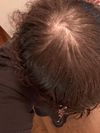
Creatine generally does not affect hair loss, but some report increased shedding due to higher DHT levels. Many manage hair loss with dutasteride, finasteride, and minoxidil.
A 16-year-old girl is experiencing hair loss, which has worsened despite using minoxidil and multivitamins. Suggestions include broader hormone testing and considering other treatments like spironolactone if the hair loss is due to androgenic alopecia.
Finasteride can affect hormone levels, potentially causing symptoms like puffy nipples and testicular pain, and may result in elevated prolactin and high testosterone. The user is seeking interpretation of these changes after taking finasteride.
The conversation is about the role of vitamin deficiencies in hair loss and the effectiveness of treatments like Minoxidil, finasteride, and RU58841. It concludes that while vitamins and nutrition are important, they are not the primary solution for androgenic alopecia.
A user experienced decreased free testosterone levels after three months of using finasteride, despite positive results in hair shedding reduction. They are considering switching to topical finasteride and plan to conduct further blood tests, including checking SHBG levels, to understand the hormonal changes.
Oleic acid and microneedling are being explored for hair regrowth, but results are mixed. Addressing DHT and fibrosis is crucial, with treatments like finasteride, minoxidil, and scalp massage also discussed.
PP405 is a promising new hair loss treatment that may reactivate dormant hair follicles without side effects. It could surpass traditional treatments like minoxidil and finasteride if successful in further trials.
The user experienced rapid diffuse hair thinning for five years despite no signs of AGA or miniaturization. They tried finasteride and oral minoxidil without success and have checked thyroid, iron, and vitamin D levels.
A 35-year-old male experiences rapid hair loss on his head and body despite normal test results for testosterone, thyroid, and vitamins. He previously used topical minoxidil and retinol, and doctors have been consulted without finding a clear cause.
PP405 is a topical gel being tested for hair regrowth in adults with androgenetic alopecia. Volunteers aged 18-55 are needed for a 16-week trial in several US locations.
Plant-based exosomes for hair loss lack scientific evidence and are considered high-risk with low evidence. Combining PRF with minoxidil and finasteride is suggested as a better option.
The conversation is about using inositol for hair loss, particularly its potential benefits for men, given its success in women with PCOS. The discussion includes treatments like Minoxidil, finasteride, and RU58841.
Using 0.1% Alfatradiol and 1% Pyrilutamide stopped hair loss, reducing shedding from over 150 hairs a day to less than 10, with no side effects. The user also uses Minoxidil and microneedling, applying the treatments twice daily.
Hair loss can be influenced by chronic low-level allergies, and treatments like fexofenadine or topical cetirizine may help with regrowth. The user avoids finasteride, dutasteride, and minoxidil, and has tried Regenera Activa and PRF sessions.
A 22-year-old male experiencing hair loss suspects androgenetic alopecia (AGA) and possibly telogen effluvium (TE), with a noted improvement in scalp itch after adopting a gluten-free diet. He is advised to consider treatments like finasteride or minoxidil and to check iron and ferritin levels.
The post discusses a holistic, bioenergetic approach to hair loss, focusing on diet, exercise, and lifestyle changes rather than traditional treatments like finasteride or minoxidil. Key dietary recommendations include fruits, milk, potatoes, butter, coconut oil, eggs, oysters, liver, and gelatin, along with moderate exercise and lifestyle adjustments to reduce stress.
Creatine use is linked to increased hair shedding for some, especially those with DHT sensitivity, but experiences vary. Some users manage hair loss with treatments like finasteride, minoxidil, or dutasteride, while others stop creatine to reduce shedding.
RU58841 is discussed as a hair loss treatment, with users considering lower doses like 2.5% to reduce costs. Some users suggest that if already blocking DHT, lower doses might still be effective unless there's high sensitivity to DHT.
A treatment showed a 20% hair density increase in weeks, with nearly a third of participants experiencing significant results, while questions remain about its long-term efficacy and effectiveness across different scalp areas. There is interest in combining it with finasteride and minoxidil for potentially better outcomes.
PP405 is a new hair loss treatment advancing quickly in trials, generating excitement and skepticism about its effectiveness and marketing claims. Some see it as a potential alternative to minoxidil and finasteride, but concerns about long-term effects and the need for DHT blockers persist.
The post discusses speeding up verteporfin trials for hair loss treatment. The original poster, involved in the trials, requests help in crowdsourcing doctor emails to spread awareness and gather more support for the trials.
The conversation is about using PTD-DBM and valproic acid for hair loss. The user is inquiring about the dosage of these treatments, noting that valproic acid is used at a 7.5% solution.
Low ferritin levels can affect hair density, and increasing ferritin through iron supplements may help with regrowth. It's suggested to maintain ferritin levels between 70-100 ng/mL and check other micronutrients for optimal hair health.
The user is experiencing severe hair loss and color change despite low testosterone levels and healthy lifestyle changes. They have tried ketoconazole shampoo and consulted a dermatologist, who found no scalp issues but suggested using Toppik for coverage.
Creatine is believed by some to cause hair loss, potentially by increasing DHT levels, despite conflicting evidence. Users report mixed results when combining creatine with treatments like finasteride, dutasteride, and minoxidil.
The conversation is about a user experiencing hair thinning potentially due to excessive microneedling while using finasteride and minoxidil. Many suggest reducing microneedling frequency and considering alternative treatments like dutasteride or a hair transplant.
The conversation discusses the potential of Verteporfin, an FDA-approved drug, for hair loss treatment, particularly in combination with microneedling or PRP. Users express hope and curiosity about its application, while some remain cautious due to the need for more extensive testing.
Finasteride users have mixed experiences with creatine; some experience increased hair loss, while others do not. Finasteride's DHT-blocking effects might counteract any DHT increase from creatine, but individual responses vary.
New product Tomorrowlabs HSF targets hair loss through HIF pathway indirectly by removing scalp iron. Minoxidil and Stemoxydine also relate to HIF pathway.