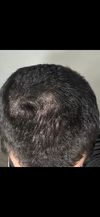
The conversation discusses starting finasteride 1mg daily for hair loss and mentions a high baseline DHT level. Users comment on the unusually high DHT level and its potential causes.
A 21-year-old with accelerated hair loss due to stress and weight loss is using minoxidil, finasteride, and microneedling to combat balding, despite experiencing a significant initial hair shed. They are committed to continuing treatment for at least three months and are considering switching to topical finasteride if necessary.
A 20-year-old with thinning hair has low vitamin D and normal testosterone. They are prescribed oral minoxidil and vitamin D, and are questioning if finasteride is also necessary.
The conversation discusses the importance of scalp skin barrier health in hair follicle cycling, suggesting treatments like ceramides or niacinamide to support hair growth. It also mentions the use of finasteride for hair loss.
People with diffuse thinning and retrograde hair loss are discussing treatments like finasteride, minoxidil, and dutasteride, with some reporting improvements and others experiencing issues like scalp inflammation and increased sebum. Suggestions include addressing scalp inflammation, considering gut health, and possibly using topical antiandrogens or micro-needling.
The post discusses a phase 2 trial for HMI-115, a hair loss treatment, in China, specifically seeking volunteers aged 18-65 with Norwood 3 vertex, 4, and 5 hair loss. The conversation includes questions about the specific recruitment criteria and how to volunteer.
A potential new hair loss treatment, HMI-115, and the possibility of discontinuing finasteride in favor of it. The conversation also includes discussion about other benefits of using finasteride.
Hair loss can be linked to low testosterone, affecting DHT and estrogen levels. Treatments discussed include increasing testosterone, using Finasteride, and applying estrogen cream.
The user is seeking opinions on whether their hairline changes indicate regrowth or hair loss, using treatments like Rogaine, finasteride, microneedling, and Nizoral. They mention inconsistent finasteride use, scalp massages, and lifestyle factors like caffeine, nicotine, stress, and high sugar intake.
Breezula's phase 3 results are expected soon, with discussions on the effectiveness of androgen receptor antagonists like spironolactone and the potential of GT20029. Users express skepticism about new treatments and discuss the complexities of male pattern baldness, often relying on finasteride despite its side effects.
The user is using oral minoxidil, ghk-cu, and HGH for hair regrowth, noticing small vellus hairs on the crown. They avoid traditional DHT blockers like finasteride due to side effects, despite skepticism from others about the effectiveness of ghk-cu.
Many users experienced increased diffuse thinning after starting finasteride, with some switching to dutasteride or adding minoxidil in hopes of improvement. Thyroid issues and low ferritin levels were also discussed as potential factors affecting hair loss.
The conversation discusses hair regrowth using oral minoxidil, oral finasteride, topical minoxidil, red light therapy, massage, and a keto diet. The user reports positive results and no negative effects on libido, attributing this to a healthy lifestyle and additional supplements.
The user plans to start a 12-month finasteride treatment to combat aggressive hair loss, with regular monitoring of thyroid levels, testosterone, DHT, liver enzymes, PSA, and iron levels. They seek advice on additional monitoring and aim to balance results with minimal side effects.
A 16-year-old experiencing hair thinning noticed a shift from shedding long hairs to shorter hairs, while using Vitamin D, biotin supplements, ketoconazole shampoo, and improving diet. They are questioning if the short hairs indicate regrowth or androgenetic alopecia (AGA).
Transgender hormone therapy, including Estradiol Valerate, Spironolactone, and Progesterone Micronized, can reverse male pattern baldness and improve hair health. The user shares their positive experience with hair regrowth after transitioning from male to female.
A 27-year-old male is experiencing a recurring pattern of hair loss after 5 months of using oral minoxidil and finasteride, despite initial success. He is considering using topical androgen receptor blockers like RU58841, pyrilutamide, or clascoterone to address potential androgen receptor hypersensitivity.
A user plans to create a DIY topical treatment for hair loss using Rapamycin, possibly combined with alpha-ketoglutaric acid (a-KG). They discuss the concentration and formulation process for Rapamycin, considering safety and skin penetration, and intend to apply it every other day to the scalp.
The user is experiencing increased hair miniaturization despite using oral minoxidil, dutasteride, and microneedling. They are considering reintroducing finasteride and adjusting dutasteride dosage.
The user is using a hair loss treatment regimen that includes double the recommended dose of Minoxidil foam once nightly, a mix of RU58841 and stemoxydine after the Minoxidil dries, ketoconazole every other day, and weekly microneedling with alternating depths. They are also considering starting finasteride soon.
ABS-201, a prolactin receptor blocker, shows promise in reversing hair loss and graying, with early success in macaques. Current treatments like finasteride, minoxidil, and RU58841 are still widely used, but new options like PP405 are eagerly anticipated.
The conversation discusses GT20029, a compound by Kintor Pharma that degrades androgen receptors and is in trials, with potential as a hair loss cure. Another promising treatment mentioned is an antibody that blocks prolactin and has shown positive results in macaques.
A user is considering starting finasteride for hair loss and shares their hormone levels, with others suggesting checking SHBG and discussing potential side effects. Some recommend starting with 0.5 mg finasteride, while others suggest considering dutasteride.
User deciding between oral and topical minoxidil, concerned about hypertrichosis and myocarditis interaction. They're using topical finasteride, LLLT, natural oils, dermastamping, and scalp massage, and considering adding oral minoxidil.
The conversation is about hair regrowth and treatments for hair loss, specifically discussing the use of minoxidil, dermarolling, and finasteride. Users suggest starting finasteride to prevent further hair loss and potentially regrow thicker hair, while some express concerns about its effects on sperm count.
Adequate nourishment and hormone replenishment helped with hair regrowth. Vegamour and Novo blends hair vitamins were also used but likely not effective alone.
The user is experimenting with topical melatonin for hair loss by dissolving melatonin tablets in a solution, but is having trouble with dissolution and is curious about others' methods of application and any effects on energy levels. They mention considering mixing with minoxidil but have not done so, and suggest that melatonin is best used at night.
The user experienced high estradiol levels after using topical finasteride at 0.1 mg/day, which normalized after discontinuation. They are questioning if this low dosage could significantly impact hormone levels.