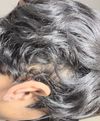
The user is experiencing hair thinning on the sides and back of the head while the top remains thick. A reply suggests it might be retrograde alopecia.
A woman experiencing hormonal hair loss is on dutasteride and bicalutamide, which initially improved her hair, but she is now experiencing a second shedding phase with significant short hair loss. Despite normal hormone levels and no deficiencies, she is unsure if this shedding is normal and seeks advice.
The user noticed increased hair thinning and scalp redness on one side of their temple. They are seeking advice on what this could be and how to address it.
The conversation is about using finasteride and testosterone replacement therapy (TRT) for hair loss and their role in gender-affirming care. It debates whether these treatments are considered hormone replacement therapy (HRT) and their implications for both cisgender and transgender individuals.
The conversation discusses the tension theory of baldness, suggesting that over-developed masseter muscles may harm hair follicles. Botox injections to relax these muscles reportedly led to an 18% increase in hair count in men with AGA.
A transwoman is struggling with hair loss despite using hormones, dutasteride, and Abiraterone, and is considering making her own treatments due to difficulty accessing them. She has also tried Eucapil and regularly uses Nizoral shampoo.
A 21-year-old experienced hormone changes after using self-made topical finasteride for hair loss, including a 20% decrease in DHT, a 47% increase in testosterone, and a 39% increase in estradiol. The user previously used minoxidil and microneedling but is now seeking ways to balance hormones, possibly through supplements or dosage adjustments.
JeremySoCa's DHT level was 29 ng/dl, considered low, and Estradiol was 26.1 pg/dl within the normal range. They are using topical finasteride for hair loss and had a thyroidectomy due to Graves' disease.
Hormone replacement therapy with spironolactone and estradiol significantly improved hair thickness and growth, surpassing previous treatments like dutasteride, finasteride, and minoxidil. The user experienced regrowth in receded areas and a more youthful appearance.
A user is experiencing facial bloating from low-dose topical finasteride due to high estradiol levels and is seeking advice on using DIM to manage this issue, including dosage and brand recommendations.
The conversation discusses the use of 5-alpha-reductase inhibitors like finasteride and dutasteride for hair loss in transgender women, particularly in relation to testosterone suppression. The original poster has been using dutasteride and is considering stopping it due to undetectable testosterone levels.
The user has been using oral minoxidil and dutasteride for hair loss without success and is considering adding topical 17α-estradiol, Pyrilutamide, Clascoterone, or cetirizine. They have confirmed low serum DHT levels and are exploring additional treatments due to genetic sensitivity to DHT and prostaglandin D2.
The conversation discusses the conflicting information about Zinc's effect on DHT and its role in hair loss. It mentions that Zinc can act as a 5AR inhibitor at high doses but may increase DHT if taken to correct a deficiency, and highlights the importance of nutritional balance for hair health.
The user experienced microinflammation on the crown after using mometasone furoate (Nasonex) nasal spray. They are seeking information on the relationship between this corticosteroid and hair loss.
The post discusses the completion of the HMI-115 Australian Phase 1 Trial for hair loss treatment. The user speculates about the potential early release of the trial results.
The user is using dutasteride, oral minoxidil, and topical minoxidil with tretinoin for hair loss. They are considering whether to continue this treatment or opt for a hair transplant for their temples.
The user asks if finasteride can be used with the topical steroid betamethasone dipropionate to reduce hair loss and scalp inflammation. The discussion revolves around combining these treatments for better results.
Inflammation plays a significant role in hair follicle miniaturization and androgenetic alopecia, with treatments like ketoconazole shampoo, minoxidil, and finasteride being used to address it. Users discuss the benefits of anti-inflammatory treatments and peptides like KPV, alongside traditional hair loss treatments, to improve scalp health and hair quality.
Exploring hair loss treatments beyond DHT, including Minoxidil, pyruvate, Gt20029 targeting androgen receptors, and vasodilators. Other options like Kx826, adenosine signaling, growth factor topicals, and microneedling are also discussed.
Hair loss can be linked to low testosterone, affecting DHT and estrogen levels. Treatments discussed include increasing testosterone, using Finasteride, and applying estrogen cream.
A user experienced increased testosterone and estradiol levels after starting finasteride/dutasteride and is asking if these levels will return to normal over time. The conversation focuses on whether these changes are temporary.
Prolonged use of topical minoxidil and finasteride can lead to neuroendocrine and autonomic dysfunction, causing severe sensitivity and side effects. Recovery involves avoiding these treatments, supporting neurosteroid recovery, calming the sympathetic system, and rebuilding scalp health naturally.
A 27-year-old male with AGA and diffused thinning has been using oral Minoxidil, Finasteride, Vitamin D, B12, Iron, and Ketoconazole shampoo. Despite a hair transplant and improved blood levels, he continues to experience hair loss and suspects a possible misdiagnosis of Alopecia Areata Incognita.
A user is considering a hair loss treatment lotion containing minoxidil, adenosine, caffeine, melatonin, and azelaic acid, questioning the interaction between caffeine and adenosine receptors. Another user suggests adding a topical anti-DHT ingredient like spironolactone, noting it should not be taken orally by men.
The conversation discusses potential hair loss treatments, including methylating estrogen, losing body fat, and supplementing with vitamins A, K2, and D. It also mentions reducing exposure to environmental estrogenics, with skepticism about genetic factors being the primary cause of baldness.
CB-03-01 is a topical anti-androgen with low absorption, offering potential as a side-effect-free alternative to Finasteride/Dutasteride for hair loss. It's in stage 2 clinical trials for acne and showing promise for male pattern baldness.
Hair loss can be caused by various factors such as stress, thyroid issues, and genetics. Treatments mentioned include dutasteride, DHT blockers, and thyroid medication, though results vary.
Parasites in the gut may contribute to hair loss by depleting essential nutrients and disrupting hormone balance. An imbalance of hormones, not just DHT, could be a factor in androgenic alopecia.
8 months post hair transplant, OP experiences asymmetrical shedding despite using finasteride and starting minoxidil. The doctor suggests it might correct itself or be due to transplant trauma, recommending a wait-and-see approach.