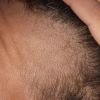
A 23-year-old male using minoxidil once daily is concerned about hair loss and hesitant to use finasteride due to potential side effects. Suggestions include adding finasteride, exercise, cold showers, spicy food, infrared exposure, sunbathing, and tretinoin.
The user is experiencing sleep issues after starting finasteride for hair loss and is considering using magnesium or melatonin to improve sleep. Other users suggest that sleep disturbances are a common side effect initially, but may improve over time.
A 19-year-old female is experiencing significant hair loss, with symptoms including alternating hair colors and thinning body hair. She seeks advice on coping and potential treatments, with suggestions to consult a dermatologist and check thyroid and hormone levels.
Rhamnose may promote hair growth and pigmentation, suggesting it as a potential hair loss treatment. The conversation discusses its potential alongside known treatments like Minoxidil, finasteride, and RU58841.
A woman experiencing hair loss and facial hair growth suspects PCOS or androgenic alopecia and is considering treatments like Rogaine, but is concerned about the cost. She has tried various hair care methods and is awaiting a hormone doctor appointment, while others suggest she may have a hormonal imbalance and recommend seeing a gynecologist or trying cheaper versions of Rogaine.
Hair loss, DHT and bloodflow with Andrew Huberman; the discussion includes opinions about supplements, finasteride, minoxidil, turmeric, coffee and botox injections for hair loss.
PP405, a topical LDH inhibitor, has shown to stimulate hair follicle stem cell proliferation in humans with moderate hair loss. They are advancing to more detailed trials this year.
Ashwagandha may cause hair thinning due to increased TSH levels, suggesting a link to hypothyroidism. Users are advised to consult a doctor for proper evaluation.
Loose-Message9596 has been experiencing hair loss for 3-4 years, initially due to low ferritin and vitamin D levels, and has tried treatments like vitamins, System 4, and PRP therapy. They are considering starting finasteride and minoxidil but are unsure due to their relatively low DHT level of 425.
The user experienced hair shedding after starting testosterone replacement therapy (TRT) and is considering using DHT blockers like finasteride or dutasteride to address potential DHT-related hair loss. Low ferritin levels due to frequent blood donations may also contribute to hair issues, and the user is working on stabilizing iron levels.
The user experienced mental side effects from oral finasteride, such as brain fog and low mood, and switched to topical finasteride combined with minoxidil. They are monitoring mental clarity and hair progress after stopping oral finasteride.
A 20-year-old male is unsure how to interpret his bloodwork results and whether he should take finasteride for hair loss. His bloodwork shows borderline high levels of albumin and testosterone, and high progesterone, but normal levels of other hormones.
Adding melatonin to topical hair loss treatments like Minoxidil can promote thicker hair growth, with the only side effect potentially being improved sleep. Melatonin is affordable and easy to mix into solutions.
Hair loss affects confidence, with discussions on treatments like finasteride, minoxidil, and RU58841. Emphasis is placed on self-acceptance and building confidence beyond appearance.
The conversation discusses hair loss, with users suggesting treatments like ketoconazole shampoo, finasteride, and dutasteride. Symptoms like burning and tenderness are mentioned, with recommendations to see a dermatologist for potential scarring alopecia.
The conversation humorously discusses hair loss treatments, including Minoxidil, finasteride, and RU58841, and debates the merits of being bald versus using hair systems. Opinions vary on confidence and attractiveness related to baldness and hair systems.
A 23-year-old has been using minoxidil, finasteride, 2% ketoconazole shampoo, biotin, a multivitamin, and microneedling to address hair loss, noticing baby hairs and a fuller frontal hairline but concerns about a thin right temple. They are considering adding rosemary oil and switching to a 1.5 mm dermastamp for further improvement.
The conversation discusses why DHT (dihydrotestosterone) negatively affects scalp hair but promotes growth elsewhere on the body. Various opinions include genetic predispositions, differences in hair follicle reactions to DHT, and the potential role of Omega-3 in reducing inflammation and promoting hair health.
The conversation discusses hair loss treatments, mentioning minoxidil, finasteride, RU58841, VDPHL, GT20029, and follicle cloning as potential solutions. It also reveals that the discussion about PP405 was an April Fool's joke.
A user is considering using melatonin for hair recovery on the side and neck area but is unsure about the best options in Europe and whether a dietary supplement form can be applied to the scalp. They found a product but are hesitant and seeking opinions on its use for alopecia.
PP405 is being discussed as a potential hair loss treatment, possibly more effective than minoxidil. There are concerns about its effectiveness and product contamination, but some users report early signs of hair regrowth.
A user experimented with applying hot water to their scalp to potentially stimulate hair growth, noting reduced dandruff but uncertain hair loss results. They started this method due to side effects from minoxidil and are considering taking a break to observe changes.
A user with low testosterone and mild gyno is considering finasteride for hair loss. Others suggest consulting an endocrinologist first and share experiences of finasteride not worsening gyno.
A user shared a 10-month update on their hair transplant (HT), expressing significant confidence gain and recommending the procedure to others. They had the transplant in Turkey for $2300 and are very satisfied with the results.
The user is concerned about high DHT levels despite using finasteride and dutasteride for hair loss, suggesting these treatments may not be effective. They plan to consult an endocrinologist and consider other antiandrogens, acknowledging potential side effects.
The conversation discusses whether not masturbating (semen retention) affects hair loss, with opinions varying but generally dismissing the idea. Some participants mention using hair loss treatments like Minoxidil, Finasteride, and RU58841, but the effectiveness and relation to prolactin levels in the scalp are debated.
The conversation is about the mental toll of hair loss and seeking alternatives to finasteride. Suggestions include using minoxidil, considering pumpkin seed oil, and possibly seeking counseling for body dysmorphic disorder.