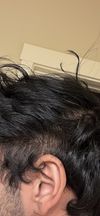
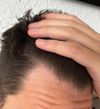
Late 20s woman struggles with worsening hair loss and tried various treatments without success. Now trying spironolactone and ketokonazole shampoo, hoping for improvement.
Hair fibers impressively cover bald spots, boosting confidence. User started big 3 treatment (0.5mg fin, 1 time minoxidil 5% topical, ketoconazole 2%) for regrowth.
The user is considering switching to topical finasteride or pyrilutamide to stabilize hair loss before a hair transplant, currently using oral minoxidil and finasteride. Suggestions include sticking to the current regimen as it is already potent, and caution against using pyrilutamide from unreliable sources.
A 20-year-old male has been using a topical mix of finasteride, minoxidil, and tretinoin for five months without seeing significant hairline improvement. He is considering adding oral dutasteride or a hair transplant for better results.
Hair density improved using topical dutasteride, minox, keto, and 3.5% fluridil for 6 months. Better results when hair is dry, but still unsatisfied when wet.
The conversation discusses creating a foam version of RU58841 for easier application on thick hair, comparing it to minoxidil foam. The user currently uses dutasteride, minoxidil, and needling for hair loss treatment.
The user started using topical and oral Minoxidil in December 2024, added ketoconazole shampoo in February 2025, and began using topical Dutasteride mixed with Minoxidil. The ketoconazole shampoo stopped scalp itchiness, but the hairline looks the same, with existing hairs appearing frail and thin.
Ketoconazole shampoo does not significantly reduce systemic or scalp DHT levels and is considered a mild topical antiandrogen. Users discuss its use for scalp health rather than DHT reduction, with some preferring alternatives like dutasteride over finasteride due to perceived side effects.
The user is using multiple topical treatments including Minoxidil, RU58841, and Spironolactone, along with supplements, to address hair loss and is considering starting oral Minoxidil. They plan to begin oral finasteride soon after experiencing side effects from topical dutasteride.
A user, 35M, has been using oral finasteride for 5 years and 5% minoxidil for 3 years, which stopped hair loss but didn't promote regrowth. After starting RU58841 5 months ago, they noticed long, translucent hairs and are asking if these hairs will darken and how to encourage this.
A 19-year-old male has been losing hair since 16-17 and feels more depressed after 6 months of using topical minoxidil and finasteride, which made his hair dry and greasy. Another user suggested switching to oral finasteride and provided tips for using topical minoxidil to reduce greasiness.
Topical dutasteride 0.05% is more effective for hair growth than oral finasteride 1mg, with minimal DHT reduction. The formulation uses castor oil and MCTs for better absorption but is not widely available until 2028.
A 20-year-old male is experiencing worsening diffuse thinning despite using topical minoxidil, topical finasteride with minoxidil, oral finasteride, stemoxydine, and pyrilutimide. He is seeking support and advice as he struggles with the mental and physical challenges of hair loss treatments.
The user is using a 5% minoxidil solution with low propylene glycol and 1 mg of oral finasteride daily but is still experiencing hair shedding, especially at the temples and front. They are concerned about absorption issues and considering adding tretinoin to improve results.
Hair loss discussion includes topical spironolactone treatment, used 1-2 times daily for 2 weeks with no changes yet. Minoxidil and Propecia caused nasty side effects for the user.
The conversation humorously suggests that drug use might be more effective for hair retention than traditional treatments like minoxidil or finasteride. It attributes full heads of hair in homeless individuals to lifestyle factors like reduced stress or hormonal changes.
Controlling insulin levels through intermittent fasting and a low glycemic diet may improve hair quality by reducing androgens. It's important to maintain proper nutrition, including electrolytes and protein, during fasting.
Topical finasteride (P-3074) can inhibit scalp DHT by up to 70%, with some users experiencing systemic absorption similar to oral use. Users discuss varying application frequencies and concentrations, with some noticing side effects when overused.
A new stem cell therapy shows promise in treating hair loss, but skepticism remains about its availability. Users humorously discuss the effectiveness of treatments on mice compared to humans.
Crushing spironolactone pills and combining them with minoxidil for topical application may be effective for hair loss, with the addition of finasteride suggested. Adding rosemary and peppermint oils can help mask the unpleasant smell.
A 25-year-old is experiencing hair thinning despite using 0.5mg oral dutasteride, 0.3% topical finasteride, and 6% topical minoxidil daily for a year. They are considering increasing dutasteride dosage and exploring other treatments like microneedling and KX 826, while seeking further medical opinions on their condition.
Hair looks thinner in sunlight, and users discuss using hair fibers, minoxidil, finasteride, and considering dutasteride for hair loss. Hair fibers like Toppik help conceal thinning, and some users suggest additional treatments like derma stamping and micro-needling.
The conversation discusses the theory that scalp fibrosis contributes to male pattern baldness (MPB) by increasing DHT concentration, and mentions treatments like Minoxidil. The user seeks opinions on the theory and the effectiveness of scalp massages.
The user experienced hair regrowth with finasteride and minoxidil but faced shedding after stopping the treatment. They resumed the treatment and used Toppik hair fibers to mask hair thinning during the shedding phase.
The conversation is about a user concerned about hair thinning despite using finasteride, minoxidil, RU58841, and recently adding dutasteride. Most responses suggest there is no noticeable difference in hair loss, attributing concerns to paranoia, and recommend continuing the current treatment or adjusting expectations.
Han Bio plans to start clinical trials for a new hair multiplication technology this year, which could significantly reduce the cost and time of hair transplantation. The technology uses a single hair strand to cultivate enough cells for 30,000 hair strands.
OP struggles with scalp flakes causing hair loss and has tried Selsun Blue, Ketoconazole, and ZPT Shampoo without success. Suggestions include using salicylic acid shampoo, shaving the head, using Nizoral, and combining treatments like Minoxidil and finasteride.
The conversation discusses potential causes of pigmentation around hair follicles, suggesting sebum buildup, autoimmune conditions, or dermatitis. Treatments mentioned include finasteride, dutasteride, and an anti-inflammatory diet, with a recommendation to consult a doctor for a proper diagnosis.
A user is experiencing significant hair loss and scalp issues despite using Minoxidil, finasteride, and RU58841 since 2017. They switched to oral Minoxidil and are now on isotretinoin and topical corticosteroids for seborrheic dermatitis but continue to lose hair and seek advice on whether inflammation or treatment changes are the cause.