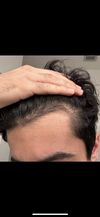
A 39-year-old woman noticed hair thinning and found she has an iron deficiency, which may be linked to hair loss. Suggestions included seeing a dermatologist, using spironolactone, and minoxidil.
A 30-year-old male with thinning hair and an itchy, oily scalp found that hydrocortisone cream eliminated dandruff and itching and seemed to thicken his hair. He avoided minoxidil and finasteride due to potential side effects and noted that Nizoral and Head & Shoulders worsened his symptoms.
The user resumed finasteride and added 5mg oral minoxidil and biotin, noticing quick progress in hair regrowth. Other users discuss dosages and express surprise at the results.
Minoxidil can cause itching, pimples, and shedding, and starting spironolactone or finasteride may also lead to shedding. Topical CBD oil with MCT is suggested to reduce inflammation, and overlapping shedding might occur but doesn't necessarily increase each other's effects.
A male with early-stage hair loss experienced severe side effects, including sexual dysfunction from finasteride and increased heart rate and fatigue from high-dose minoxidil, leading to discontinuation of both treatments. He is now relying on DHT-blocking shampoos and awaiting new treatments.
The user experienced significant hair shedding and dryness after starting minoxidil 8 months post-hair transplant, despite using finasteride and oils like castor and pumpkin seed oil. They expressed concern over the loss of density and the appearance of a failed transplant.
A 31-year-old woman shared her 9-month progress using 5% minoxidil foam for hair loss, noting significant improvement after initial shedding and seeing regrowth by month 4. She also used ketoconazole shampoo and has been on spironolactone for acne, but did not use finasteride.
Clascoterone is being discussed for hair loss, but its current acne formulation may not be suitable for scalp use due to potential skin irritation and lower dosage compared to Breezula. Users mention other treatments like finasteride, minoxidil, and pyrilutamide, with some expressing skepticism about clascoterone's effectiveness for hair loss.
A 42-year-old man's two-month hair loss treatment progress using topical finasteride, oral minoxidil, microneedling, and keto shampoo. He noticed improvements, including new hair growth, despite minor side effects like mild ache and increased libido initially.
The conversation is about using a DIY topical Cetirizine 1% solution with microneedling for hair loss treatment. Concerns were raised about potential side effects and the effectiveness of Cetirizine for this purpose.
The user discusses their hair loss treatment routine using Minoxidil, Finasteride, microneedling, and Ketoconazole shampoo. They report initial side effects from Finasteride but believe the treatment is working and seek opinions on their progress.
Minokem-N's composition is unclear, with concerns about unlisted hydrocortisone. Users discuss alternatives like AloATM, which lacks soothing agents, and the challenges of verifying ingredients.
The user experienced a slight decrease in hair shedding and scalp itch, and reduced sebum production using Pyrilutamide, but stopped due to chest pain, breathing difficulties, and heart issues. They felt normal a week after discontinuing and doubted FDA approval for the drug.
The user has been using topical Minoxidil and finasteride for 5 months without seeing regrowth, despite ideal blood test results. They are seeking advice on what to do next due to frustration with continued hair loss.
The user is experiencing progress in hair growth using 0.5mg Finasteride, 5mg Minoxidil, and 1mg Biotin daily but is also developing gynecomastia. They plan to continue the treatment for six months unless the side effects worsen.
The user experienced significant hair regrowth after two months on a Hims oral treatment combining 3 mg minoxidil, 1.1 mg finasteride, and vitamins. The treatment is considered a normal/high dose, and the user reported initial side effects like oily skin and acne, which subsided over time.
A user's progress with hair loss treatment, which includes taking 1/2mg of Fin/Min orally daily and using 5% topical Minoxidil in the evenings; additionally, micro-needling is performed fortnightly, along with 2 Nizoral washes per week.
A 25-year-old male experienced hair regrowth after 4.5 months using a chewable treatment with 1mg finasteride, 6% minoxidil, and 2.5mg biotin, despite initial shedding and acne from accutane. Opinions on progress vary, with some noticing thicker hair and others seeing no difference or thinning.
The user is considering using P5P to reduce high prolactin levels and is questioning if oral minoxidil could be contributing to the issue. They are also debating whether to switch from oral to topical minoxidil.
The user is seeking oral Minoxidil in Europe due to issues with topical Minoxidil causing dandruff and dry scalp. They have started using oral Finasteride and are considering Ketoconazole shampoo.
The user has been using oral minoxidil, finasteride, and ketoconazole for hair loss but feels their condition has worsened over six months. They are considering whether to continue with the current treatment or try additional methods.
The user successfully overcame finasteride side effects by lowering the dosage and adding zinc and vitamin B6 supplements. They also micro-dosed dutasteride and resumed weight lifting.
The user is struggling with seborrheic dermatitis and plans to try ciclopirox olamine after finding ketoconazole too drying. They are also using finasteride daily.
The conversation discusses hair regrowth using finasteride 0.5mg and ketoconazole shampoo over four months, with no negative effects. The user shares a photo asking if the new growth is baby hairs, and another user encourages them to continue the routine.
The user has been using Minoxidil and Finasteride since late 2019 with good results but is experiencing a dry, flaky scalp and shedding hairs. They also use Nizoral, biotin, zinc, magnesium, and collagen supplements, and their dermatologist prescribed fluocinolone acetonide to reduce flaking.
The user started oral minoxidil (2.5mg) and finasteride (1.25mg) for hair loss but experienced decreased libido, weaker erections, and sleep issues after a week. They stopped finasteride and are considering lowering the dosage due to concerns about side effects.
The reduction in scalp oiliness is likely due to finasteride reducing DHT levels and the use of ketoconazole shampoo. The combination of these treatments may have decreased sebum production.
A user found relief from minoxidil-induced scalp itch by using a different product, as Nizoral dried out their scalp and worsened the condition. The conversation focuses on managing side effects of hair loss treatments.
The conversation discusses using microneedling with copper peptides, specifically GHK-Cu, for hair loss treatment. Some users combine it with minoxidil and topical finasteride, applying peptides either topically or through injection.