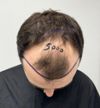
PP405, a topical LDH inhibitor, has shown to stimulate hair follicle stem cell proliferation in humans with moderate hair loss. They are advancing to more detailed trials this year.
The conversation is about a person who underwent a hair transplant surgery after using Rogaine, finasteride, and Nutrafol. They received 2300 grafts and discussed the appearance and density of the transplant, with mixed opinions on the results and advice on future procedures.
A user's progress using minoxidil and dutasteride mesotherapy to treat hair loss, with advice from other users on whether or not to continue the treatment. Suggestions included trying oral treatments such as finasteride and RU58841, and considering a hair transplant for more significant results.
Finasteride can quickly raise estradiol levels by blocking DHT, allowing testosterone to convert to estrogen. Taking finasteride for just a few days can affect blood test results.
Follica's preferred microneedling protocol for hair growth, which includes needle depth, frequency and movement parameters as well as the use of topical treatments such as minoxidil and finasteride.
Clascoterone, a topical anti-androgen, is generating interest for potentially fewer systemic side effects. Users are curious about its effectiveness and details like concentration and duration of use.
Han Bio plans to start clinical trials for a new hair multiplication technology this year, which could significantly reduce the cost and time of hair transplantation. The technology uses a single hair strand to cultivate enough cells for 30,000 hair strands.
A user shared their positive experience with Trichogenics for hair restoration, highlighting their unique zigzag hairline technique and personalized attention. They had 1700 follicles transplanted and praised the natural results.
A user shared their experience with Spironolactone for hair loss, noting it stopped hair loss and cleared acne but had side effects like frequent urination and potential kidney damage. They also mentioned Bicalutamide as a potentially more potent DHT blocker with fewer side effects and asked for others' experiences with DHT blockers for women.
Spironolactone is more potent and lowers testosterone and DHT, while dutasteride only impacts DHT. For female hair loss, checking hormones and considering treatments like oral minoxidil, spironolactone, or topical minoxidil is recommended.
The user is experiencing a significant hair shed at 10 months but sees improvement compared to 4 months ago. They are using Hims products, Feel Confident shampoo, Nizoral, a light therapy cap, and The Ordinary hair serum.
A 30-year-old male is considering using dutasteride and fluridil for hair loss maintenance and is curious about the effectiveness of topical spironolactone, as he cannot take finasteride. He is also planning a hair transplant.
HairCarePls shared their 5-month Dutasteride update, mentioning previous use of Finasteride with no results. They also use Spironolactone, Minoxidil, dermarolling, Ketoconazole shampoo, and Yaz contraception for hair loss treatment.
The conversation discusses sourcing pure latanoprost from the gray market for research and making a homemade solution. Concerns about potential dangers and experiences with this method are raised.
Topical finasteride with hydroxypropyl chitosan shows significantly less serum absorption and minimal DHT reduction compared to oral finasteride. Users need the specific chitosan formulation to avoid side effects seen with regular ethanol+PG solutions.
The conversation is about a man's six-month experience using Hims topical finasteride, minoxidil, and generic biotin gummies for hair loss. He's seen some progress but is concerned about lack of regrowth at the crown of his head.
A user is experiencing increased hair shedding after using a homemade topical finasteride mixture with stemoxydine for six weeks. They are concerned about whether the low dose could cause shedding so early.
User shared progress pictures after 9 months of using minoxidil, finasteride, spironolactone, and estradiol for hair loss. Significant regrowth was noted, especially after starting estradiol.
Using Stemoxydine, a hair growth promoter, in conjunction with Fin and Minoxidil to help counter shedding induced by the latter two treatments. Another user also shared their experience of using Stemoxydine for three months along with dermastamp.
Topical finasteride in the UK is sought after due to concerns about the strength and cost of Hims products. There is also interest in whether crushing finasteride pills into minoxidil is effective.
A 24-year-old had an FUE hair transplant in Liverpool at age 23, after starting finasteride at 20 to halt hair loss. The transplant involved 3000 grafts, and the user is satisfied with the results, noting increased confidence and no further hairline recession.
A user experienced increased pimples and cysts after two years on dutasteride, possibly due to hormonal changes. Suggestions included seeing an endocrinologist, using supplements like boron and DIM, adjusting diet, and reducing body fat to manage side effects.
The conversation discusses FUE hair transplant surgery, including questions about donor area recovery, success rates, precautions, hair growth rate, and the safety of PRP injections. It also inquires about using hairpieces post-surgery.
The conversation discusses using topical liposomal finasteride for hair loss, with concerns about high DHT levels. The user's DHT level is above the normal range, which may affect hair health.
A man used finasteride, minoxidil, and a derma pen for a year to improve hair growth with no significant side effects. He plans to continue the treatment and explore new options.
An 18-year-old is using a high-dose treatment for hair loss, including 2.5 mg dutasteride, topical minoxidil, and injectable GHK-Cu, despite minimal hair loss. Many users suggest reducing the dutasteride dose due to potential side effects and recommend starting with finasteride instead.
Treatments for hair loss, such as minoxidil, finasteride, and RU58841; humorous posts about hair loss; and the choice to stop using treatments in exchange for a different look.
ET-02 showed significant hair growth in five weeks, outperforming minoxidil, with a non-hormonal mechanism that avoids side effects of treatments like finasteride. A phase 2 trial is planned to further assess ET-02's efficacy and safety.
The post and conversation discuss different methods of applying hair loss treatments directly to the scalp. The original poster suggests using a 1ml TB Syringe & Ophthalmic Cannula for precise application, while others share their own methods, including sprays, droppers, and simple syringes.