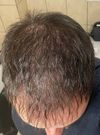
The conversation discusses experiences with hair loss treatments containing RootBioTec and Anagain. Users share their results and compare these treatments to Minoxidil, finasteride, and RU58841.
Hair loss can be influenced by chronic low-level allergies, and treatments like fexofenadine or topical cetirizine may help with regrowth. The user avoids finasteride, dutasteride, and minoxidil, and has tried Regenera Activa and PRF sessions.
Pyrilutamide's effect on sebum production and scalp inflammation is unclear, with users noting no significant changes. Isotretinoin is mentioned as effective for reducing sebum, while Dutasteride and various shampoos have limited impact on oiliness and seborrheic dermatitis.
Dutasteride effectively stops hair loss but can cause side effects like sexual dysfunction, muscle mass changes, and testicle shrinkage. Adjusting the dosage may help manage these side effects, but long-term health effects remain a concern.
The user is exploring alternatives to finasteride and dutasteride due to concerns about side effects, and is using rosemary and jojoba oil, ketoconazole, minoxidil, microneedling, multi-peptide serum, saw palmetto, and stinging nettle for hair loss. They are also considering CB 03 01 and spironolactone.
The conversation discusses Pyrilutamide for hair loss, with skepticism about its legitimacy and mentions of an upcoming press release from Kintor. It also references ongoing trials and includes links for further information.
The user is using topical minoxidil twice daily for hair regrowth and is hesitant to use finasteride due to concerns about hormonal effects. The conversation includes mixed opinions on the effectiveness of the treatment and suggestions to use a DHT blocker for better results.
Pyrilutamide, a potential hair loss treatment that has recently been released for sale, and is thought to have similar efficacy to Dutasteride without side effects. It was discussed in terms of its effectiveness compared to Finasteride, its use by females, and whether it can be safely mixed with RU58841.
Finasteride is commonly used for hair loss, with mixed experiences regarding sexual side effects. Some users report no issues, while others experience difficulties, but many find increased confidence and libido.
A pharmacy error resulted in a finasteride solution being 100 times stronger than prescribed, not 10,000 times as initially feared. OP is advised to contact the pharmacy to clarify the preparation before traveling.
A user on 1mg finasteride for a year has low estradiol levels but no significant symptoms, and others suggest monitoring without immediate concern. Some users discuss potential effects of low estrogen, like low libido, but the user reports no erectile dysfunction.
RU58841 users report mixed results, with some experiencing no benefits and others noting regrowth but potential side effects. Many prefer finasteride and minoxidil due to better-studied safety profiles.
Transitioning from finasteride to Pyrilutamide as a treatment for hair loss, and the potential risks associated with taking such a drug. People have discussed the need to wait at least 6 months in order to assess results, and are willing to risk their health trying this new medication.
The user experienced side effects from using finasteride, both topically and orally, alongside minoxidil for hair loss. They reported increased hair shedding and are feeling distressed about their receding hairline.
The conversation discusses the use of pyrilutamide for hair loss, specifically its impact on shedding. The user is inquiring if others have experienced increased or decreased shedding after starting pyrilutamide.
The conversation discusses using 1% cetirizine, an antihistamine, as a potential treatment for androgenetic alopecia (hair loss). One user plans to try cetirizine instead of finasteride, while others are curious or skeptical about its effectiveness, discussing the role of inflammation in hair loss.
Derma rollers may cause scarring alopecia, leading some to prefer dermastamps or dermapens for microneedling. Combining minoxidil with microneedling is effective, but proper technique and healing time are essential to prevent damage.
The user experienced anxiety, dizziness, and fatigue after starting finasteride and is seeking advice on whether to continue, adjust the dose, or consult a doctor. They stopped taking finasteride and are unsure if it caused their symptoms.
Hair loss treatments, specifically about the effectiveness of RU58841 compared to Pyrilutamide. Molecular weights and side effects were discussed in terms of efficacy and cost-effectiveness.
A doctor criticized the use of Finasteride for hair loss, suggesting Minoxidil and a hair transplant instead, despite the patient experiencing no side effects from Finasteride. The patient disagreed, arguing that Minoxidil doesn't address the root cause and that Finasteride is necessary to protect donor hair in transplants.
A user expressed concern that minoxidil might have poisoned their cat, leading to heart and lung issues, but others suggested it was unlikely due to minimal exposure. Some users recommended switching to oral minoxidil or using protective measures like a bonnet to prevent potential contact with pets.
The conversation discusses Peptonix microneedling, a copper peptide serum, as a potential hair loss treatment. Users compare it to finasteride and minoxidil, noting side effects and personal experiences with these treatments.
Finasteride can aid hair regrowth but may cause side effects like depression and sexual dysfunction. Users discuss experiences with finasteride, minoxidil, and RU58841, highlighting varied responses and the importance of informed treatment choices.
Scalp tension may contribute to hair loss by increasing DHT levels, with potential solutions like scalp massages and Botox. Concerns about finasteride's side effects were discussed, and some users shared personal experiences with alternative treatments like scalp massaging and Botox.
The conversation discusses using finasteride, dutasteride, minoxidil, cialis, and metformin to protect hair and health. Some users caution against self-prescribing these drugs due to potential risks and complications.
Creatine use with finasteride has mixed effects on hair, with some experiencing shedding and others noticing no impact. Many attribute concerns to individual sensitivity or unrelated factors.
Microneedling may enhance hair loss treatment by increasing the effectiveness of topical minoxidil, especially for those lacking the necessary enzyme to activate it. It might also work by triggering growth factors and improving topical absorption.
Pyrilutamide, a new drug being tested to combat hair loss that has been found to perform comparably or better than finasteride and dutasteride in the initial 6 months of treatment with minimal reported side effects.
The user experienced severe scalp issues and hair loss after using ketoconazole shampoo, which worsened despite various treatments. They seek advice on restoring scalp health, suspecting an allergic reaction or imbalance caused by the shampoo.
The user is experiencing an allergic reaction to propylene glycol in Kirkland minoxidil and is considering switching to a foam version or a low-PG minoxidil solution. They are also contemplating oral minoxidil but are concerned about its long-term safety.