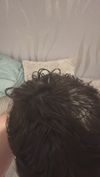
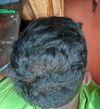
A user experienced significant hair regrowth from Xeljanz after severe alopecia but can no longer afford it. They are seeking ways to obtain the medication despite its high cost and potential side effects.
The conversation discusses hair thinning potentially linked to gut health issues and suggests biotin as a possible treatment. It also mentions that hair thinning could be due to male pattern baldness (MPB).
TWIST-1 gene's role in hair loss and potential as a treatment target. Inhibiting TWIST-1 may prolong hair growth and reduce hair follicle sensitivity to DHT.
A user shared a 10-month update on their hair transplant (HT), expressing significant confidence gain and recommending the procedure to others. They had the transplant in Turkey for $2300 and are very satisfied with the results.
A user shared their experience with hair loss treatments, including finasteride and minoxidil, which caused side effects and didn't yield satisfactory results. They eventually shaved their head, found it liberating, and encouraged others to embrace baldness.
The user experienced hair thinning and was diagnosed with alopecia incognito and male pattern baldness. They are using minoxidil, finasteride, and dutasteride scalp injections, reporting gradual improvement with no side effects.
A 20-year-old is experiencing severe hair loss and is considering using dutasteride and finasteride, worried about potential side effects. They feel depressed and isolated due to hair loss, and are exploring options like hair transplants and hair systems but are hesitant about faking it.
User "missbloombastic" has been experiencing hair loss since 2016 and tried min, fin, multivitamins, and spiro with mixed results. Another user shares their struggle with hair loss and its impact on self-esteem, while a third user suggests checking blood tests and confirming the cause of hair loss.
The user resumed using topical finasteride after a two-week break and will update on side effects like water retention and gynecomastia in a month. They are also starting DIM and zinc.
The conversation critiques the influence of "Clavicular" on young men regarding hair loss treatments, highlighting the dangers of following unscientific advice and the rise of body dysmorphia. It emphasizes the importance of safe, medically advised treatments like minoxidil, finasteride, and dutasteride, while warning against reckless experimentation and early surgeries.
The user is experiencing hairline thinning despite using finasteride, minoxidil (solution and foam), dermastamping, and tretinoin. They suspect minoxidil or tretinoin might be causing the issue but are unsure.
A 20-year-old male with a high hairline seeks advice on potential hair loss, noting a family history that typically doesn't progress beyond Norwood 2. A user suggests it appears to be a mature hairline rather than hair loss and advises monitoring for changes.
The conversation is a humorous take on someone's reaction after their first dose of finasteride for hair loss. Specific treatments mentioned include scalp massage and a protocol of manifestation twice daily.
The conversation is about the impressive hair density and hairline of a person, with users attributing it to good genetics and joking about the lack of hair loss despite stress. Specific hair loss treatments like Minoxidil, Finasteride, or RU58841 are not discussed.
Hair loss treatments like finasteride, minoxidil, and dutasteride are discussed, with users sharing mixed experiences about effectiveness and side effects. Some users report positive results, while others express concerns about side effects, highlighting the importance of personal choice.
People with hair loss experience emotional struggles and body dysmorphia. Treatments like minoxidil, finasteride, and dutasteride are used, but results vary and can take time.
The conversation discusses the positive effects of taking finasteride (Propecia) for hair loss, with users sharing experiences of minimal side effects and improved hair growth over several years. The original poster emphasizes the importance of consistent use and mentions using Nizoral shampoo occasionally.
The conversation is about the effects of steroids on hair loss. Some users believe that steroids can cause hair loss, while others argue that it depends on individual sensitivity to DHT. There is also discussion about the appearance of balding individuals who use steroids.
A user experienced significant swelling after a hair and beard transplant, possibly due to an allergic reaction or improper post-surgery care. Despite dissatisfaction with the clinic's handling of grafts and customer service, the user appreciates the clinic's skill in achieving natural hairline density.
The user is concerned about the quick prescription process for hair loss treatments like Minoxidil and Finasteride through HIMs, questioning the lack of a thorough evaluation. Another user reassures that such practices are common, emphasizing the effectiveness and low risk of these treatments, and suggests monitoring personal response to the medication.
Human pluripotent stem cells have been used to create hair and skin, potentially offering a new solution for baldness. A user also mentioned starting finasteride but experiencing unexpected hair thinning.
The conversation is about baricitinib, a medicine that can help with hair loss, and why it isn't more popular or widely discussed. No specific experiences with the treatment were shared.
The conversation humorously discusses hair loss treatments, mentioning Minoxidil, finasteride, and RU58841. It jokingly suggests the creation of a new chemical called RU99999.
The user has been taking 1 mg of finasteride daily for four months and is questioning if they are experiencing hair regrowth, as suggested by their barber. Another user suggests taking better photos to assess the crown area more clearly.
The conversation discusses GT20029, a new topical drug for hair loss and acne without notable side effects, which has been accepted for investigational use in China. Some users express skepticism about the legitimacy of the company and the potential for other drugs like RU58841 to be developed due to patent expiration and lack of profitability.
An 18-year-old experiencing diffuse hair thinning since 8th grade seeks advice. They are concerned about having less hair than their 52-year-old father and are looking for treatment options.
A 22-year-old male is frustrated about being the only bald person in his social circle. He has tried minoxidil, finasteride, and dutasteride without success and is considering hair systems, transplants, or counseling.
The user believes neck tension and poor posture contribute to hair loss, noticing improvements with yoga and muscle relaxation. Replies suggest androgenic alopecia as the cause and recommend exercises.
KY19382 is discussed as a potential treatment for creating new hair follicles and possibly curing hair loss. The conversation seeks user experiences and sourcing information for KY19382.