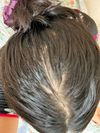
A 27-year-old male experienced rapid hair loss after dengue fever, which activated a balding gene. The doctor suggested platelet-rich plasma treatment for hair regrowth.
A 32-year-old male noticed accelerated hair loss after turning 30 and has been using minoxidil and finasteride with breaks, but stopped finasteride due to concerns about side effects. He is considering alternatives like topical treatments, ketoconazole shampoo, and possibly a future hair transplant.
The user is questioning why they are not experiencing hair loss like their family members. They are considering whether genetics or preventive treatments like Minoxidil, finasteride, or RU58841 might be influencing their hair retention.
A 17-year-old is experiencing diffuse thinning, dandruff, body hair shedding, and other symptoms, possibly linked to seborrheic dermatitis or telogen effluvium. They are using ketoconazole shampoo and considering blood tests to check for thyroid issues or deficiencies.
A 23-year-old male experiencing severe hair loss stopped treatments for a year and is considering a hair transplant. Suggested treatments include Minoxidil, finasteride, and RU58841.
A 21-year-old expresses feeling alone and invalidated in his struggle with hair loss, seeking empathy from others. Some users share similar feelings, while one mentions making progress with dutasteride and minoxidil treatments and considering a hair transplant.
The user is experiencing hair loss and is concerned about a small bald patch despite having thick hair and a full crown. They are considering starting minoxidil and finasteride to prevent further hair loss.
The user began experiencing hair loss at 14 and is now starting treatment at 18 with a topical solution of 10% minoxidil-finasteride and ketoconazole shampoo. Oral finasteride was not recommended due to potential effects on growth, and microneedling will be considered after four months.
New hair loss treatments PP405 and VDPHL01 are discussed with skepticism and hope, alongside existing treatments like minoxidil and finasteride. Users express frustration over limited progress since the 1980s but remain cautiously optimistic.
The user experienced chronic telogen effluvium and mild male pattern baldness, treated with finasteride, oral minoxidil, and later switched to dutasteride, which stopped excessive hair shedding. Other treatments like low-level laser therapy, hair loss shampoos (except ketoconazole), and supplements were ineffective.
A 29-year-old female is experiencing severe hair loss and bald patches, seeking advice on shampoos, conditioners, hair masks, or topical medications. A user suggests starting an oral supplement.
RU58841 slowed hair loss for a DUPA sufferer after other treatments like finasteride, dutasteride, and minoxidil failed. Some users reported side effects with RU58841, while others did not experience any.
The user has tried various treatments for hair loss, including finasteride, dutasteride, and oral minoxidil, but is considering a hair transplant due to insufficient progress. Some users suggest that the treatments have at least stabilized hair loss, and recommend consulting clinics for a potential hair transplant while continuing medication.
User decides to accept baldness due to mental health issues with finasteride. Others suggest considering hair systems, topical finasteride, or RU58841 as alternatives.
A 25-year-old is struggling with hair loss despite using treatments like oral Minoxidil, oral and topical Finasteride, Dutasteride, and PRP sessions. They feel frustrated with inconsistent treatment strategies and are seeking advice on managing thin hair and regaining confidence.
The user experienced significant hair thinning despite using finasteride and minoxidil, leading to concerns about whether it's a temporary shed or a more serious issue. They plan to start using RU58841 and are advised to consult a doctor to rule out other causes like autoimmune disorders.
The user shared their experience with losing 80% of their hair due to alopecia and discussed using Minoxidil, Olumiant, derma rolling, and dietary changes as treatments. They provided an update on their progress with these methods.
RU58841 worsened hair condition, causing thinning and unusual patterns. The user stopped using it two months ago but hasn't seen recovery, and there's speculation about androgen receptor upregulation.
A user is experiencing significant hair loss and scalp issues despite using Minoxidil, finasteride, and RU58841 since 2017. They switched to oral Minoxidil and are now on isotretinoin and topical corticosteroids for seborrheic dermatitis but continue to lose hair and seek advice on whether inflammation or treatment changes are the cause.
PP405, a topical treatment, shows promise for hair growth by activating inactive follicles, with 66% of participants experiencing positive results. The treatment is well-tolerated and may proceed directly to Phase 3 trials, offering a potential alternative to minoxidil and finasteride.
The user "ajsr8" shared their story of hair loss despite being on treatments. They started using finasteride in 2019 and later tried topical minoxidil, but it didn't seem to work. They also experienced side effects from other treatments. They are considering cutting off their hair and stopping the medications if there is no improvement in three months. Other users suggested trying different treatments and getting a blood test to check for underlying conditions.
A 20-year-old experiencing hair loss uses minoxidil, Nizoral shampoo, vitamin D, and biotin. They are considering finasteride or dutasteride and are advised to consult a doctor for diagnosis and possible oral treatments.
The conversation discusses hair thinning and treatments like Minoxidil, finasteride, and RU58841. The user is concerned about distinguishing between natural hair parting and actual thinning.
A 27-year-old Asian male is treating hair loss with 1mg oral finasteride, topical minoxidil twice daily, and 1.5mm microneedling weekly. The discussion is about his progress with these treatments.
A 28-year-old male is experiencing hair loss, itching, soreness, and numbness on the scalp, with symptoms including dry, brittle hair and scalp irritation. Treatments tried include Nizoral, salt water, various oils, and antihistamines, with limited success; a chemist suggested a possible fungal infection, while a doctor suspected male pattern baldness.
Unusual hair growth can occur in unexpected areas, possibly due to topical treatments like Minoxidil. Such hair may appear suddenly and is often unrelated to typical hairline patterns.
The user is experiencing thinning at the temporal points and has been using minoxidil, dermarolling, and a mixture of natural oils to improve hair growth. They are considering finasteride as a potential treatment based on shared information.
A 19-year-old experiencing hair loss since 17 uses finasteride, minoxidil, dermaroller, ketoconazole shampoo, and oral castor oil, but sees little improvement. They seek advice on adding an anti-androgen, considering alfatradiol.
Scalp sunburns can cause permanent hair loss, so wearing UPF hats is essential. Tretinoin and Tacrolimus users should be cautious of increased photosensitivity and potential scalp issues.