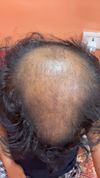
Excess Vitamin A and topical retinoids can cause diffuse hair shedding. The user suspects their chronic telogen effluvium may be linked to using adapalene, a topical retinoid.
A 20-year-old male is experiencing hair thinning and has not seen results from using oral minoxidil, dutasteride, ketoconazole shampoo, and GHK-Cu. He is seeking alternative treatments before considering a hair transplant or hair fibers.
A user experienced rapid hair loss despite taking finasteride 1mg and undergoing PRP treatment. They also take a supplement with biotin, iron, zinc, and calcium but have not seen improvement.
Hair growth success may be linked to addressing scalp fungi issues, with treatments like minoxidil, finasteride, and dutasteride being important. DHT may contribute to scalp microbial issues, potentially causing inflammation and hair loss.
The user is experiencing hair thinning and visible scalp at 18, seeking advice on whether it's genetic or a scalp condition. Suggested treatments include Minoxidil, finasteride, ketoconazole shampoo, and CBD oil with MCT.
A 32-year-old male with hair loss cannot use finasteride due to erectile dysfunction and minoxidil due to scalp psoriasis. He seeks alternative treatments for his condition.
The user recently started topical dutasteride and microneedling, and has been using RU58841 and Minoxidil for 16 months. They are curious if small black dots at their hairline indicate hair regrowth.
Experiencing continual nonstop hair loss despite using dutasteride for 9 months, and the possible causes behind it being discussed such as nutritional deficiencies, elevated cortisol, vitamin D deficiency or other problems. Other solutions such as minoxidil and finasteride have been suggested.
A user experienced extreme hair growth on their hairline and temples using natural remedies like onion juice, nail rubbing, more veggies and fruits, less carbs, jojoba oil, and dermarolling. They did not use Minoxidil, finasteride, or any prescription drugs.
A 50-year-old Black woman with alopecia areata and traction alopecia is seeking a science-based hair loss routine. Current treatments include spearmint tea for DHT levels and considering PRP.
A 22-year-old is experiencing a receding hairline and has started using minoxidil and finasteride. They are considering using Jamaican black castor oil and are seeking advice on application and dosage, while also exploring microneedling and scalp massaging for hair regrowth.
A user is trying Ayurvedic remedies for male pattern baldness, including onion juice, curry leaves, aloe vera, and a prepared oil mix. They plan to switch to minoxidil, finasteride, and PRP treatment if no improvement is seen in four months.
A woman with alopecia universalis shares her positive experience of being bald, finding it freeing and less worrisome. She also discusses her skincare routine using Korean products.
Hair appearance fluctuates due to factors like styling, product buildup, and humidity, causing frustration for those with diffuse thinning. Treatments mentioned include minoxidil, finasteride, ketoconazole shampoo, and RU58841, with mixed results.
The user is questioning why they are not experiencing hair loss like their family members. They are considering whether genetics or preventive treatments like Minoxidil, finasteride, or RU58841 might be influencing their hair retention.
The user is experiencing hair loss and has tried natural remedies like hibiscus shampoo and an oil mixture with coconut oil, curry leaves, fenugreek seeds, and castor oil, but saw no lasting improvement. They are advised to consult a dermatologist and consider treatments like finasteride, minoxidil, and Nizoral shampoo.
The conversation discusses hair loss treatments, focusing on reducing scalp itching and dandruff using natural shampoos, witch hazel, and apple cider vinegar. The user also mentions using finasteride and observing potential regrowth, though it's difficult to confirm.
A 23-year-old male experiencing severe hair loss stopped treatments for a year and is considering a hair transplant. Suggested treatments include Minoxidil, finasteride, and RU58841.
The user is seeking Malassezia-safe treatments for hair loss and currently uses a baby shampoo, a scalp tonic with antifungal ingredients, and aloe gel. They consider using Kirkland Minoxidil 5% drops and possibly consulting a doctor about Finasteride.
A user's experience with hair loss treatments such as finasteride, ketoconazole, and oral minoxidil that have not yielded any results; other users suggest shaving the head or getting a wig, while others offer additional advice such as seeing a dermatologist, checking thyroid levels, switching to dutasteride and adding needling, and trying stemoxydine.
The user is using multiple topical treatments including Minoxidil, RU58841, and Spironolactone, along with supplements, to address hair loss and is considering starting oral Minoxidil. They plan to begin oral finasteride soon after experiencing side effects from topical dutasteride.
The user is experiencing stage 2 hair loss and thinning, noticing more scalp visibility with short hair. They are considering diet, yoga, scalp massage, supplements, and a serum recommended by their doctor, and questioning if it's safe to stop using the serum and whether to get a blood test since hair loss isn't a family trait.
A 32-year-old male with diffuse thinning and seborrheic dermatitis has been using finasteride for 8 months without improvement. He is considering COQ10 + PQQ supplements for scalp inflammation and hair loss.
Small hairs around the hairline may regrow with continued use of minoxidil, finasteride, and ketoconazole. The user is hopeful about hairline improvement.
A user noticed worsening hair loss and is considering treatments. They plan to use finasteride, Rogaine, and a ketoconazole shampoo, and seek advice on their effectiveness and usage.
A 26-year-old male with high testosterone is experiencing diffuse hair thinning despite using a comprehensive treatment regimen including dutasteride, oral minoxidil, RU58841, ketoconazole shampoo, microneedling, and low-level laser therapy. Suggestions include adjusting dutasteride dosage, monitoring iron levels, and consulting a dermatologist for further evaluation.
A woman experiencing hair loss, exacerbated by wearing a hijab, is seeking advice for her upcoming wedding. She has tried various treatments, including minoxidil, finasteride, and stem cell therapy, and is considering using hair fibers and extensions to cover her scalp.
A user started using oral minoxidil (2.5 mg) and dutasteride (1 mg) for hair loss three months ago and noticed no side effects, possibly due to regular exercise. They speculate a possible link between COVID-19 and accelerated hair loss.
A 25-year-old experiencing genetic hair loss used minoxidil, biotin, and cystine but stopped due to routine fatigue, leading to worsened hair loss and unwanted body hair growth. They are hesitant about finasteride due to potential side effects and are seeking advice on effective treatments.