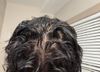
OP believes RU58841 affected their thyroid, causing hypothyroidism and impacting minoxidil's effectiveness. They plan to start thyroid medication to improve hair regrowth.
The conversation discusses a claim that avoiding coffee can lead to significant hair regrowth in individuals with androgenetic alopecia. Participants are skeptical, with some sharing personal anecdotes that contradict the claim, and others discussing the potential role of caffeine in hair loss and the effectiveness of other treatments like finasteride and minoxidil.
A 19-year-old experiencing early hair loss started using finasteride to address diffuse thinning, despite concerns about potential side effects. They also use T/Gel and OGX Thick and Full shampoo, and have a dermatologist appointment scheduled to explore possible allergies.
The conversation discusses using finasteride or dutasteride to reduce DHT, CosmeRNA to target androgen receptors, and Minoxidil as a vasodilator for hair growth. The regimen aims to maintain hair by addressing DHT-AR ratio and continuous Minoxidil use.
Treatments for androgenic hair loss, including the use of finasteride, minoxidil, nizroal and microneedling/dermarolling. Side effects are discussed and it is noted that while there are tradeoffs to taking medications, they are generally safe and effective.
The conversation discusses dissatisfaction with current hair loss treatments that mainly focus on DHT blockers like finasteride and dutasteride. Alternative treatments mentioned include RU58841, pyrilutamide, minoxidil, rosemary oil, and future possibilities like hair cloning.
DHT affects hair follicles, contributing to hair loss, but the exact mechanism is unclear. Treatments like finasteride and minoxidil are used to manage hair loss, though they may have side effects and varying effectiveness.
The user experienced temple recession, shedding, and acne while on 0.5mg dutasteride, 1.25mg finasteride every other day, and 5mg oral minoxidil daily. They are considering switching treatments due to worsening symptoms and are contemplating using a topical anti-androgen like RU58841.
The user stopped using finasteride and RU58841 and is considering CB-03-01 for androgenic alopecia but is concerned about the cost and effectiveness, especially at a lower dose than in clinical trials. They are also using minoxidil, micro-needling, and nizoral shampoo but are unsure about the correct application method for CB-03-01.
A user in Turkey was advised by a dermatologist to avoid finasteride due to its hormonal effects and was prescribed minoxidil, shampoo, and vitamins instead. The user is considering seeking another doctor's opinion or buying finasteride directly from a pharmacy.
Treating Seborrheic Dermatitis, a fungal scalp condition which can cause hair loss. Treatments discussed include antifungal shampoos, cold showers, exfoliating the scalp, taking Vitamin D, and stimulating the prostate through the anus.
The conversation discusses whether finasteride's reduction of DHT and increase in scalp testosterone contribute to hair follicle miniaturization. Some participants argue testosterone does not cause miniaturization, while others suggest that even with reduced DHT, other androgens like testosterone may still contribute to hair loss.
An 18-year-old male is experiencing hair loss and is using topical minoxidil and oral finasteride. He is concerned about continued shedding, mild sexual side effects, and whether to adjust his finasteride dosage.
Pyrilutamide is believed to be more effective than RU58841 and 1 mg finasteride in treating hair loss, with no systemic hormonal effects and the potential to block more than 31% of scalp DHT. It may also antagonize scalp testosterone due to its action as an androgen receptor antagonist.
A 28 year old man's 18-month journey to treat his hair loss with Dutasteride, RU58841, Minoxidil, Microneedling, Nizoral and T/GEL. He experienced some side effects along the way, including translucent semen and scalp less oily.
A user experienced increased pimples and cysts after two years on dutasteride, possibly due to hormonal changes. Suggestions included seeing an endocrinologist, using supplements like boron and DIM, adjusting diet, and reducing body fat to manage side effects.
The conversation discusses hair loss treatment options, focusing on finasteride and its potential effects on gynecomastia. The user is considering finasteride while managing hormone levels with supplements like boron, vitamin D, zinc, magnesium, and P5P, and is advised to consult an endocrinologist for further evaluation.
An 18-year-old male used anti-androgens and oral Minoxidil for 10 months to treat hair loss. He initially used 1mg Finasteride and 5% topical Minoxidil for 5 months, then switched to Dutasteride for 4.5 months and inconsistently used 5mg oral Minoxidil for 2 months due to availability issues.
User is using topical Minoxidil (100 mg/day) and Finasteride (1 mg/day) but experiencing hair growth everywhere except the top of the scalp. They seek advice on improving scalp hair regrowth.
Aminexil/Kopexil may help reduce hair loss by addressing perifollicular fibrosis in androgenetic alopecia, but it lacks the extensive clinical backing of finasteride and minoxidil. Some users find it effective, but availability and cost are issues, especially in the US where it's not FDA-approved.
User tried dutasteride, topical finasteride, oral minox, dermawounding, saw palmetto, pumpkin seed oil, and ketacozonole for hair loss. Improvement was temporary, now trying RU58841 and seeking help.
Creatine may increase scalp DHT without affecting serum DHT, potentially speeding up male pattern baldness (MPB) for those genetically prone. Treatments mentioned include Minoxidil, finasteride, and RU58841.
The user experienced side effects from a hair loss treatment and is considering using pyrilutamide, alfatradiol, and possibly minoxidil. They are unsure about starting minoxidil immediately or waiting to see the effects of the other treatments.
A user shared their experience of hair loss progression after one year on dutasteride, expressing disappointment with no improvement and considering other treatments like RU58841. Other users offered mixed responses, some seeing no change, others suggesting the hair loss might have been worse without treatment, and discussing the role of testosterone and DHT in hair loss.
Vitamin D deficiency can hinder hair recovery, and addressing it may help with hair loss. Hair loss may result from various issues like excess DHT, vitamin deficiency, or scalp inflammation.
Dutasteride may inhibit androgen receptors in addition to reducing DHT, potentially explaining its effectiveness over finasteride for hair loss. Concerns about its impact on muscle growth are debated, with some suggesting no significant effects.
Loose-Message9596 has been experiencing hair loss for 3-4 years, initially due to low ferritin and vitamin D levels, and has tried treatments like vitamins, System 4, and PRP therapy. They are considering starting finasteride and minoxidil but are unsure due to their relatively low DHT level of 425.
Dutasteride can cause hair shedding even with suppressed testosterone levels due to previous damage from DHT. Hair shedding is often a sign of damaged hair being replaced by healthier growth.
A 32-year-old male experienced erectile dysfunction and decreased libido after using oral dutasteride and minoxidil for hair loss. He is considering switching to topical alternatives like Xyon dutasteride or RU58841 to reduce side effects.