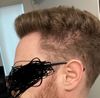
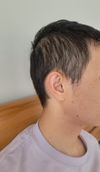
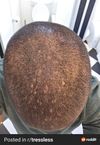
A 33-year-old man experienced diffuse thinning and hair shedding due to sleep deprivation and low testosterone. After starting hCG treatment, he noticed hair regrowth on his temples.
The user is experiencing hair loss with possible causes including chronic telogen effluvium, diffuse alopecia areata, and androgenic alopecia. They have tried treatments like Nizoral shampoo, minoxidil, and finasteride, and are considering a biopsy for further clarity.
The conversation discusses using USB microscopes for scalp photos and provides a link to an overview of trichoscopy. Treatments mentioned include Minoxidil, finasteride, and RU58841.
A 34-year-old male is experiencing hair loss on the sides of his head, with inflammation and itchiness, while the top remains thick. He is using topical dutasteride and keto shampoo to address the issue.
The user is experiencing excessive hair thinning and is unsure of the cause. They are seeking opinions on treatments like Minoxidil, finasteride, and RU58841.
A 25-year-old woman has been losing hair for 10 years despite normal thyroid, hormone levels, and B12 supplementation. She has used Minoxidil with limited success and is considering hair transplants, Propecia, or shaving her head and wearing wigs.
The conversation discusses the use of trichoscopy to predict hair loss patterns and inform treatment approaches. Treatments mentioned include minoxidil, finasteride, and dutasteride, with varying effectiveness based on gender-specific hair loss patterns.
User experienced hair growth with finasteride and minoxidil, but after using tretinoin, faced aggressive thinning and hair loss. They plan to stop tretinoin for two months to see if the problem improves.
The conversation discusses struggles with diffuse thinning and hair loss treatments, including the use of dutasteride, minoxidil, and finasteride, with limited success. The original poster regrets having a hair transplant at 21 due to weak donor hair and ongoing thinning.
Hair loss is causing distress and self-esteem issues, with discussions on treatments like finasteride, minoxidil, and hair transplants. Some suggest topical treatments or lifestyle changes, while others stress the importance of confidence and self-acceptance.
A user has been experiencing hair loss for 4 years, with treatments like minoxidil, finasteride, and various supplements proving ineffective. They were diagnosed with fibrosing alopecia in a pattern distribution, a condition that may require a combination of anti-inflammatory and hair growth treatments.
The user is experiencing severe hair loss, possibly due to telogen effluvium, after stress, poor nutrition, and hormonal changes. They are using Nizoral and supplements but are considering hormonal treatments like spironolactone despite previous side effects.
The conversation discusses various treatments for hair loss, including finasteride, minoxidil, dutasteride, microneedling, and checking for nutrient deficiencies. Some users suggest adding hydrocortisone butyrate, low-dose progesterone, or tretinoin to treatment regimens, while others recommend cosmetic solutions like Toppik hair fibers or shaving the head.
The DHT itch is linked to hair loss and persists despite finasteride use; switching to dutasteride helped alleviate the itch and promoted regrowth. Some users suggest seborrheic dermatitis as a cause and recommend treatments like medicated shampoos, vitamin D, and minoxidil.
A 34-year-old woman is experiencing diffuse hair loss and irregular periods, possibly due to long-term spironolactone use. She is considering minoxidil and finasteride for treatment and seeking medical advice for androgenic alopecia and hormonal imbalances.
A 31-year-old male with low normal-range testosterone and DHT is experiencing significant hair loss from the front scalp. He has tried Minoxidil, vitamin D3 and B12 supplements, and exercises regularly but is still seeking the root cause and effective treatment.
The conversation discusses diffuse unpatterned alopecia (DUPA) and its possible causes, including sensitivity to DHT, not being androgenic alopecia, being diffuse alopecia areata, or hormonal issues. Treatments mentioned include topical melatonin, Clobetasol Propionate for alopecia areata, and the lack of results from using finasteride, dutasteride, and minoxidil.
An 18-year-old male is experiencing significant hair shedding, particularly from the back of his head, despite normal blood test results except for slightly low vitamin D. A dermatologist prescribed minoxidil for receding temples, but the cause of the shedding remains unclear.
An 18-year-old experiencing hair loss and seborrheic dermatitis has tried finasteride, dutasteride, and various shampoos without success. They are considering anti-androgens like RU58841 and KX-826 for oil control and dandruff reduction.
User is experiencing hair loss and scalp dryness after using a topical solution containing minoxidil, tretinoin, finasteride, and hydrocortisone. They seek advice and personal experiences with this treatment.
Hair loss may be linked to thyroid issues, with some individuals noticing changes in hair texture when taking substances affecting the thyroid. Treatments mentioned include a topical mix of finasteride, minoxidil, and tretinoin, along with microneedling.
A user experiencing diffuse thinning since age 18 describes their hair as unhealthy, dry, thin, and hard, with texture changes cycling between good and bad every few weeks. They are not on any medication, only taking vitamins and supplements.
The user noticed small circular hairless spots after a buzz cut and has been using finasteride, dutasteride, and oral minoxidil for hair loss. They are experiencing continuous shedding and thinning, and it is suggested they consult a dermatologist for a scalp examination and possible biopsy to determine if it's alopecia areata or androgenetic alopecia.
A 30-year-old male with thinning hair and an itchy, oily scalp found that hydrocortisone cream eliminated dandruff and itching and seemed to thicken his hair. He avoided minoxidil and finasteride due to potential side effects and noted that Nizoral and Head & Shoulders worsened his symptoms.
User noticed beard and sideburn hair loss, and thinning eyebrows, diagnosed with alopecia barbae and male pattern baldness, and prescribed Desonide cream. User seeks feedback on Desonide cream.
Thin, short hairs often appear in areas of hair loss but may not grow fully despite treatments like finasteride. Some users consider additional treatments like microneedling or hair transplants.
The user has tried various hair loss treatments including topical minoxidil, oral finasteride, oral dutasteride, oral minoxidil, and exosome therapy, but none have been effective. They suspect trichodynia might be preventing these treatments from working.