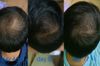
A user shared their 9-month progress using RU58841 at 2% daily for hair regrowth, initially starting at 5% but reducing the dose due to early signs of gynecomastia, which has since mostly resolved. They achieved their goal of regrowing hair at the temples and hairline.
Chinese researchers have successfully created hair follicles in vitro, potentially offering unlimited hair for transplantation and a cure for hair loss. They plan to test these follicles in vivo on human scalps.
The user experienced hair loss after chikungunya and started PRF (platelet-rich fibrin) injections with injectable Dutasteride, noticing new hair growth. They are hopeful for continued improvement.
PP405 is considered a potential new treatment for hair loss, compared to finasteride and minoxidil. There is skepticism about its effectiveness in humans, with anticipation for more information from an upcoming conference.
PP405 is a potential hair loss treatment undergoing trials, with discussions on its effectiveness and comparison to existing treatments like finasteride and minoxidil. There is skepticism about its status as a cure, with hopes for future advancements in genetic treatments like CRISPR.
The user shared progress pictures after 5 months of using 1mg finasteride, weekly 1.5mm microneedling, and daily 2mg copper peptide injections. They discussed their hair loss treatment and results.
Hair loss affects confidence, with discussions on treatments like finasteride, minoxidil, and RU58841. Emphasis is placed on self-acceptance and building confidence beyond appearance.
The conversation discusses the potential effectiveness of a Sult1a1 enzyme booster in enhancing the results of minoxidil for hair loss. Users express interest in the booster, hoping it will improve the effectiveness of oral minoxidil, especially for those who struggle with topical application.
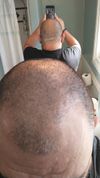
The user shared progress pictures showing significant improvement in hair loss after using finasteride, RU58841, and undergoing a 3000 graft hair transplant. They plan to get another transplant due to remaining thin areas.
Corticosterone inhibits GAS6, affecting hair follicle stem-cell activity, with potential implications for stress-related hair loss. Ashwagandha and Vitamin K are suggested for reducing cortisol, but their effectiveness is debated.
Pelage Pharmaceuticals announced positive Phase 2a trial results for PP405 in hair loss therapy. The conversation discusses the delay in publishing full results and the need for further trials and approvals.
The user experienced significant hair regrowth using 1mg oral finasteride, DIM, and beetroot powder, while also focusing on gut health and reducing alcohol intake. Other users discussed the importance of iodine, fermented foods, and maintaining a balanced diet for overall health and hair improvement.
Glycosaminoglycans are important for hair growth, and combining minoxidil with tretinoin and Biopeptide-CL may enhance hair growth by boosting glycosaminoglycan levels and improving the hair follicle environment. Users discussed the potential effectiveness and future of these treatments.
Hair loss can be treated by correcting glucose metabolism in hair follicles and using equol as a safer DHT blocker. Production of these treatments is starting soon, and a Discord channel is available for more information.
The progress of Phase I of HMI-115, a potential hair loss treatment, which consists of Minoxidil, finasteride, and RU58841. The estimated completion date is June.
Eli Lilly's drug baricitinib showed effectiveness in treating alopecia areata, with higher doses resulting in significant hair regrowth compared to placebo. The treatment is not for male pattern baldness.
The conversation is about the potential cost of GT20029 if FDA approved, with estimates around $150/month. Comparisons are made between GT20029, finasteride, and their mechanisms and side effects.
After nearly four months on finasteride, a user noticed improved hair quality but developed nipple puffiness, suggesting early signs of gynecomastia. They considered switching to other treatments like CB-03-01 or RU58841 and contemplated consulting an endocrinologist about aromatase inhibitors.
A 25-year-old male experienced noticeable temple regrowth using 1mg finasteride, 2.5mg oral minoxidil, and 2mg GHK-Cu over three months. The user is pleased with the progress, especially on the left temple.
A user reported significant hair improvement using ginseng oil along with Minoxidil, finasteride, RU58841, and microneedling, leading them to cancel a hair transplant. Other users requested more details and proof.
A compound called MTP3 from the Monoterpene family was found to be safe and highly effective at treating hair loss by inhibiting the FGF5 gene, but its identity is undisclosed for commercial reasons. No specific treatments like Minoxidil, finasteride, or RU58841 were discussed.
PP405 is a new hair loss treatment that may outperform minoxidil and finasteride by growing thick hair in bald areas within four weeks. Its release is expected around 2028, but concerns about its long-term efficacy and cost remain.
GT20029 is a topical treatment that degrades androgen receptors to prevent hair thinning and loss, potentially offering fewer side effects than systemic treatments like finasteride. Concerns include its impact on hair texture and potential systemic effects, with market availability speculated in 3 to 5 years.
Eirion Therapeutics is recruiting for phase 1 of ET-02 in Texas, which showed promising hair growth results in non-clinical studies. ET-02 demonstrated significantly more hair growth compared to Minoxidil.
The conversation discusses potential new treatments for androgenetic alopecia (AGA), including verteporfin, pyrilutamide, and hair cloning. There is optimism about scientific advancements providing alternatives to minoxidil and finasteride.
KPV, a peptide patented by L'Oreal, may promote hair growth and reduce hair loss by extending the anagen phase and has anti-inflammatory properties. It could be combined with treatments like minoxidil for enhanced effects.
A 19-year-old experiencing early hair loss started using finasteride to address diffuse thinning, despite concerns about potential side effects. They also use T/Gel and OGX Thick and Full shampoo, and have a dermatologist appointment scheduled to explore possible allergies.
TDM-105795 showed better efficacy and safety in trials for hair loss, with a higher hair count improvement compared to GT20029 and HMI 115, but it's not as widely discussed. The user is questioning why this is the case.
KX-826 Phase II results show that a 0.5% concentration performs better than 1% for treating male pattern baldness. Concerns about receptor upregulation from long-term DHT antagonism were mentioned.