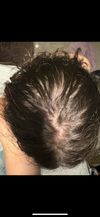
The user plans to use 1% Koshine826, 0.1% Alfatradiol, Minoxidil with Tretinoin, microneedling, and Stemoxydine for hair loss treatment. They expect significant recovery with this regimen.
HairClone plans to start hair multiplication services in 2022. Users discuss various treatments like Minoxidil, finasteride, PRP, and hair cloning, expressing both hope and skepticism about the technology and its costs.
The conversation discusses how to use fluridil/topilutamide with other hair loss treatments like liquid minoxidil and CB-03-01, considering fluridil's hydrophobic nature and potential degradation with water. The user questions the necessity of washing hair only once per week as suggested by the manufacturer.
The conversation discusses skepticism towards unconventional hair loss remedies, emphasizing the effectiveness of proven treatments like oral DHT blockers, topical minoxidil, and finasteride. It criticizes misleading advice and highlights the importance of starting effective treatments early.
A user is seeking advice on enhancing their hair loss treatment regimen, which currently includes finasteride, minoxidil, saw palmetto, and Nizoral shampoo, with plans to add oral minoxidil, a laser cap, and various supplements. They are considering purchasing additional treatments like topical finasteride, melatonin, Eucapil, and Stemoxydine from Indian and international sources.
Hair loss theories discussed include poor blood flow, scalp tension, inflammation, and DHT. Treatments mentioned are massaging scalp, minoxidil, finasteride, and RU58841.
Chinese researchers have successfully created hair follicles in vitro, potentially offering unlimited hair for transplantation and a cure for hair loss. They plan to test these follicles in vivo on human scalps.
ET-02 showed significant hair growth in five weeks, outperforming minoxidil, with a non-hormonal mechanism that avoids side effects of treatments like finasteride. A phase 2 trial is planned to further assess ET-02's efficacy and safety.
Kintor KX-826, a hair loss treatment, is being discussed for its pricing and effectiveness, with a focus on whether the 0.9% concentration is more effective than the 0.5%. Users are seeking cheaper purchasing options.
The user "jsonparquet" shared their 11-month progress using a combination of finasteride, minoxidil, microneedling, and Nizoral for hair loss. Other users expressed amazement and suggested waiting another year before considering a hair transplant. One user shared their own experience of slow but steady gains over 3 years using a regimen of topical finasteride and minoxidil.
The user received trichotest results indicating finasteride is ineffective for them, and they plan to use dutasteride mesotherapy and add cetirizine to minoxidil. They seek advice on incorporating dutasteride into their regimen.
A user inquired about Cipla Tugain Men, a topical solution containing Minoxidil 5% and Finasteride 0.1%, noting its less greasy texture and good price. Responses suggest it's similar to other products with the same ingredients, questioning the effectiveness of additional components.
The conversation discusses starting low-dose oral finasteride for hair loss, considering hormone levels and potential side effects like gynecomastia. Suggestions include using DIM for estradiol, vitamin B6 for prolactin, and lifestyle changes to optimize hormone profiles before starting treatment.
An 18-year-old is using a high-dose treatment for hair loss, including 2.5 mg dutasteride, topical minoxidil, and injectable GHK-Cu, despite minimal hair loss. Many users suggest reducing the dutasteride dose due to potential side effects and recommend starting with finasteride instead.
The conversation is about a user trying a new hair loss treatment, Ruxolitinib, alongside their existing regimen of finasteride, minoxidil, ketoconazole shampoo, and microneedling. They plan to apply Ruxolitinib to their temples daily for 1-2 months.
PP405 (Everychem 3HP) may help with hair regrowth, with mixed user experiences. Users often combine it with minoxidil and finasteride, but there are concerns about its efficacy and side effects.
Users discussed the convenience and effectiveness of Hims Fin+Min chewable tablets for hair loss. Some believe it's overpriced compared to traditional oral finasteride and minoxidil, while others find it more convenient and potentially more effective.
The user is concerned about hair loss despite using oral finasteride, oral minoxidil, and topical minoxidil. They are seeking advice on additional blood tests to identify potential causes.
The conversation discusses whether Pyrilutamide from Koshine is different from Anageninc and if it's effective for hair loss. It also questions if sticking to RU58841 would be better.
Users discussed the effectiveness of Everychem's solution, similar to PP405, with some reporting improved hair thickness and new growth. Concerns were raised about safety and the legitimacy of the product, with some users advising against purchasing research chemicals.
The conversation discusses a user's six-month progress in treating hereditary hair loss using a regimen that includes minoxidil, finasteride, dutasteride, and other medications. Opinions vary on the effectiveness and logic of the treatment, with some users suggesting additional methods like microneedling.
Mallia Aesthetics has developed MAL-838, a hormone-free product derived from sCD83, which stimulates hair growth without disrupting the skin microbiome. sCD83 promotes hair growth by activating hair follicles and preventing cell death, offering a localized treatment without systemic side effects.
Hair systems require frequent maintenance and can be costly, but a DIY approach with bi-weekly changes can help manage these issues. Minoxidil and finasteride were tried but not consistently used due to side effects and personal preferences.
The user is considering using topical finasteride for thinning hair around the middle part, vertex, and crown, and is unsure if the whole scalp is thinning. Another user suggests oral finasteride is more effective than topical, and recommends consulting a dermatologist for proper treatment.
Kintor announced Phase 3 results for pyrilutamide, a hair loss treatment, in China. The conversation is focused on this announcement and its implications for hair loss treatment.
RepliCel's potential hair loss treatment may cost around $1000 and aims to protect hair follicles from DHT, possibly reversing some miniaturization. It is not considered a cure and may be most effective in early hair loss stages, with its main advantage over finasteride being the lack of sexual side effects.
New hair loss treatments, including Breezula, VDPHL01, and PP405, are nearing Phase 3 trials, offering hope for effective solutions. Current treatments like finasteride and minoxidil remain effective, but early intervention is crucial.
Users discuss aggressive promotion of Koshine 826, suspecting Kintor employees are behind it. Concerns are raised about its effectiveness, with some preferring alternatives like finasteride and minoxidil.