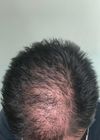
A 26-year-old shared their 2-month progress using finasteride, minoxidil, microneedling (1mm weekly), and vitamin D3 for hair loss. They are pleased with the results.
Trans woman experiences hair thinning despite low testosterone and treatments like finasteride and microneedling. Possible causes discussed include past eating disorder and current stack of medications and supplements.
PP405 is ineffective for miniaturized, fibrosed hair follicles in androgenetic alopecia. AMP303 may activate hair follicle stem cells, but minoxidil and finasteride are still the main treatments.
The conversation is about a user's progress in treating hair loss using 1mg finasteride, topical minoxidil once at night, and weekly 1.5mm microneedling. The user reports significant improvement and no side effects, while others discuss their experiences and offer advice on similar treatments.
The user experienced hair regrowth using a chewable combination of oral minoxidil and finasteride without side effects, unlike when taken separately. The treatment is from Hims, and the user is satisfied with the progress, especially on the crown.
User reports thicker, darker, and healthier hair after 3 months of using Hims chewable tablets containing 3mg minoxidil and 1.1mg finasteride. No significant regrowth in receding areas; previous use of rosemary oils and biotin pills showed no results.
Dermmatch is wind and water proof, but requires more hair to look good. Using both Dermmatch and hair fibers together can provide better coverage and a more natural look.
A user shared their successful hair regrowth journey using 1mg finasteride daily, 1ml minoxidil nightly, and weekly 1.5mm microneedling. They reported some side effects like reduced semen thickness but are satisfied with the results and recommend topical minoxidil over oral.
OP asks if face copper peptides from Sephora can be used on the scalp for hair benefits. User233 suggests AHK-CU is mainly for hair, but GHK-CU can also be used.
Follicium XR™ is a topical treatment for hair loss containing RU58841, AHK-Cu, GHK-Cu Peptide, caffeine, D-Biotin, methylene blue, keratin, and spermidine. RU58841 is considered the most effective ingredient, but concerns exist about its stability in water.
An 18-year-old male experiencing hair loss since 2023 is using minoxidil, microneedling, and topical finasteride. He is considering switching to oral finasteride for potentially better results.
A 28-year-old shared surprising hair regrowth progress after 20 days using topical minoxidil, micro needling, GHK-cu, and BPC-157 injections. The user noted a significant reduction in their bald spot and overall hair improvement.
Hair systems require frequent maintenance and can be costly, but a DIY approach with bi-weekly changes can help manage these issues. Minoxidil and finasteride were tried but not consistently used due to side effects and personal preferences.
The conversation is about a user's four-month progress using finasteride, minoxidil, and weekly dermastamping for hair loss. People occasionally notice improvements in the user's hair.
The user noticed increased hair fullness after using a minoxidil and finasteride oral capsule but is unsure if the 1.25 mg minoxidil dose is sufficient. They are considering switching to a higher dose and are waiting for a dermatologist's advice.
The conversation discusses potential advancements in two hair loss drugs, KX-826 and GT20029, and the interest in whether transitioning from oral finasteride to these drugs would maintain hair growth. One reply expresses skepticism about the compounds' representation.
The user experienced increased hair stubble after using 1mg finasteride, 3mg minoxidil, microneedling twice weekly, and daily biotin and vitamin D. They plan to grow their hair out to assess coverage.
Some users believe creatine may accelerate hair loss, while others see no effect. Opinions are mixed, with some suggesting using treatments like finasteride to counter potential effects.
Prolonged use of topical minoxidil and finasteride can lead to neuroendocrine and autonomic dysfunction, causing severe sensitivity and side effects. Recovery involves avoiding these treatments, supporting neurosteroid recovery, calming the sympathetic system, and rebuilding scalp health naturally.
The conversation discusses hair loss treatments, specifically the use of finasteride (Fin) and oral minoxidil (Oral Min), with progress shown using hair fibers like DermMatch and Toppik. The original poster plans a hair transplant and mentions side effects like reduced libido from finasteride.
The conversation discusses the high prices of hair loss treatments, specifically cb-03-01 and KY19382. It also mentions the use of Minoxidil, finasteride, and RU58841.
The user "ninezske" shared their progress pictures of hair regrowth after using oral finasteride, topical minoxidil, and dermarolling. Other users commented on the results and discussed the effectiveness of minoxidil and finasteride.
DHT is not the only cause of male pattern hair loss; genetic sensitivity, inflammation, and fibrosis also contribute. GHK-Cu, a copper peptide, is being explored as an alternative treatment to finasteride and minoxidil, showing potential in improving follicle health.
The conversation discusses the progress and potential of hair cloning by Stemson Therapeutics, questioning if it will be realized in the next 5-10 years or if it's just false hope. Specific treatments mentioned include Minoxidil, finasteride, and RU58841.
Oleic acid and microneedling are being explored for hair regrowth, but results are mixed. Addressing DHT and fibrosis is crucial, with treatments like finasteride, minoxidil, and scalp massage also discussed.
The user shared impressive hair regrowth results after 11 months using topical finasteride and minoxidil from HIMS. Many users congratulated the progress and inquired about the application method, brand, and potential side effects.
A user's progress with using Minoxidil, finasteride, and microneedling to treat hair loss; another user mentioned a Japanese study that found better results for hairy individuals on finasteride.
A user is considering adding PRP and mesotherapy to their hair loss treatment and is deciding between two options: Promoitalia, which contains Phosphatidic acid, Riboflavin, and Superoxide dismutase, and the more expensive Melsmon, a human placenta derivative. They seek advice on which option to choose based on effectiveness and scientific backing.
The conversation discusses using GHK-Cu for hair loss, with one user suggesting subcutaneous administration for better control. The effectiveness of topical application is questioned due to a lack of reliable reviews.
A 31-year-old woman experienced crown hair growth using a topical solution of finasteride (0.1%) and minoxidil (5%) over five months. She applies the solution once daily, improved her fitness, and takes vitamin D and magnesium supplements.