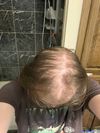
Analyzing data on pyrilutamide, a potential hair loss treatment, as well as the effectiveness of other treatments such as Minoxidil, Finasteride, and RU58841.
A 23-year-old experiencing hair thinning has seen noticeable improvement after using 1.25 mg oral finasteride for over a year and recently starting 2.5 mg oral minoxidil, along with ketoconazole shampoo. They are considering a hair transplant in the future and have not experienced any side effects from the medication.
The user is satisfied with hair transplant progress after 4 months, using finasteride, vitamins, shampoo, and serum for hair loss. Others compliment the results and anticipate further improvement.
Eucapill 2% used for 1 month reduced shedding from 200 to 10/20 hairs daily with no side effects. Finasteride caused side effects like ED and watery semen.
The conversation is about gathering serum DHT data from individuals taking dutasteride to investigate its efficacy, especially in cases with unexpectedly low DHT reduction. The aim is to explore potential genetic factors affecting drug metabolism.
A user is concerned about low testosterone while using finasteride 0.625mg MWF and considers ashwagandha for stress. Others suggest exercise, magnesium, and not worrying about testosterone levels if no significant side effects are felt.
The user took finasteride for a year with no issues until reading negative stories online, which led to experiencing side effects they believe are psychological. They stopped the medication and are seeking advice on recovering faster.
The user experienced no improvement in hair loss with finasteride and minoxidil but had side effects. They plan to add wounding, scalp massage, vitamin K, and taurine supplements to their regimen and seek feedback on these additions.
ET-02, a new hair loss treatment, shows promising results with a 6-fold increase in hair count, potentially outperforming minoxidil by activating stem cells in hair follicles. Further trials are ongoing to confirm its efficacy and safety, with potential market release in the future.
A user is exploring VEGF gene therapy to enhance hair transplant results, considering measuring hair shaft diameter and growth rate. Suggestions include using phototrichograms and possibly adding PRP, though its effectiveness is uncertain.
Finasteride can quickly raise estradiol levels by blocking DHT, allowing testosterone to convert to estrogen. Taking finasteride for just a few days can affect blood test results.
A 30-year-old shared positive results after 6 months of using 1mg oral finasteride daily for hair loss, without minoxidil. Hair loss stopped around month 2, and noticeable regrowth began around month 4.5, with no side effects reported.
Finasteride's effectiveness can be gauged by reduced hair shedding, but some users report it losing efficacy over time. Other treatments mentioned include Minoxidil, ketoconazole shampoo, and QR678, with mixed results.
A user shared progress pictures after 9 months on finasteride, starting with 0.25 mg and increasing to 0.5 mg daily, noting improved hair density, especially at the crown, with initial side effects that resolved after the first month. The discussion includes user experiences with finasteride, concerns about side effects, and alternative treatments like rosemary oil and platelet-rich plasma therapy.
The user experienced hair regrowth after 4.5 months using oral finasteride and minoxidil, along with Nizoral shampoo, but faced brain fog and motivation issues, which improved after adjusting the finasteride dosage. Other users suggested checking hormone levels to address the brain fog, and congratulated the user on their progress.
Using 0.25mg of finasteride daily for 7 months resulted in thicker hair and slowed hair recession without side effects. The user plans to continue this dosage and may add dermarolling or ketoconazole shampoo for maintenance.
The user received hormone test results showing normal estradiol and testosterone levels, low SHBG, and normal free androgen index. They are considering starting finasteride but are concerned due to being slightly overweight.
The conversation discusses side effects of finasteride, including low libido and potential gynecomastia, with some users mocking fear-mongering while others share personal experiences. The original poster mentions using finasteride, peppermint oil, coconut oil, olive oil, and Pennzoil, and considers saw palmetto as an alternative.
A user shared their positive experience using 1mg of oral finasteride daily for a year, noting significant hair regrowth and no negative side effects. Other users discussed their own experiences with finasteride, shedding, and side effects, with some considering adding minoxidil to their routine.
A user shared a 9-month update on using 0.25mg finasteride daily for hair maintenance, reporting no significant side effects and considering whether to add other treatments like a dermastamp or ketoconazole. The user has not used minoxidil, believes it's unnecessary unless hair loss is severe, and occasionally takes biotin supplements.
A 35-year-old man has been using Finasteride 1mg daily for 4.5 months with no noticeable effects on hair loss, and he is considering adding Minoxidil to his treatment. Other users suggest that significant improvements may take up to 18 months and recommend additional treatments like Minoxidil, microneedling, or switching to Dutasteride.
A 23-year-old experienced severe depression and suicidal thoughts from oral finasteride and is considering trying topical finasteride but is worried about similar side effects. They are currently using RU58841 and Minoxidil and are seeking advice on the lowest effective dose of topical finasteride.
RU58841 helped reduce scalp itching for some users within a week, while others experienced immediate relief. Some users reported initial irritation from the solution, possibly due to the carrier used.
User experienced side effects from topical finasteride, including penile pain and reduced sexual satisfaction, and is unsure whether to resume or avoid the treatment. They are seeking advice on whether tapering off the drug might help.
A 26-year-old male experienced hair regrowth and increased density after 6 months using oral finasteride and minoxidil tablets, along with a derma pen, multivitamins, omega-3, creatine, and L-citrulline. He plans to add RU58841 soon and is hopeful for further improvement.
The user is using 5% topical minoxidil, tretinoin 0.05% cream, and weekly derma rolling for early-stage male pattern baldness and has seen some progress. They prefer not to use finasteride or dutasteride due to potential side effects.
The conversation is about the results of using hormone replacement therapy (HRT) with estrogen and finasteride for hair loss, and switching from finasteride to bicalutamide as an anti-androgen treatment. The user shared before and after photos to discuss the effectiveness of these treatments.
The user experienced significant hair regrowth using 1mg oral finasteride daily and recently added minoxidil 5% to address remaining gaps. They reported no significant side effects, attributing any perceived changes to weight fluctuations rather than the medication.