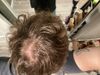
Using retinol with minoxidil may not be as effective as tretinoin, but retinaldehyde or adapalene could be alternatives. A micro-roller with minoxidil is suggested for better results.
A new human trial using an FDA-approved treatment for wound healing called Verteporfin, which may potentially be able to reverse scarring and regrow hair in that area. The trial is only lasting one month so far.
Breezula's phase 3 results are expected in July or August, with commercialization possibly in two years. There are concerns about delays and effectiveness, and the cost may be high.
A 30-year-old shared their 7-month hair regrowth progress using topical minoxidil twice daily, 1 mg finasteride daily, and weekly microneedling. Users discussed the effectiveness of these treatments and suggested adding retinol for better results.
The user is seeking alternative hair loss treatments due to side effects from finasteride and minoxidil. They are inquiring about the availability of gt20029 from u-lab.
A user shared their 5-month progress using a topical treatment with finasteride, minoxidil, and retinoic acid, noting some hair growth but also shedding. Another user encouraged them, sharing their own experience of gradual improvement over 12 months and advising patience.
A 33-year-old male experienced initial hair improvement with exosomes, PRP, Regenera, oral minoxidil (2.5mg), and finasteride (1mg), but his condition worsened after stopping treatments. He is considering a hair transplant and seeks advice on its viability.
A user is considering an extensive hair loss treatment regimen including oral dutasteride, oral minoxidil, topical finasteride, tretinoin, microneedling, keto shampoo, laser comb, and PRP injections. Suggestions include simplifying the routine, possibly increasing minoxidil dosage, and considering alternatives like RU58841, while cautioning against using estrogen due to potential side effects.
The Shiseido/Replicel RCH-01 trial results were disappointing and ineffective. Users expressed skepticism and frustration, suggesting alternatives like Tsuji or simply accepting baldness.
A user with alopecia areata is considering treatment options like injections or Olumiant but is concerned about cost and whether delaying treatment will lead to permanent hair loss. They are seeking alternative treatments that are more affordable for a college student.
Stem cell-related treatments and drugs like RCGD423 and WAY are being tested for hair growth. Clinics are conducting tests on patients who haven't had previous treatments.
A user is seeking a new source for RU58841 in the EU after their previous supplier stopped selling it. They mention considering Anagen, Actifolic, Minoxidilmax, and rudirect, and are using a treatment mixing RU58841 with Stemoxydine and Alfatradiol.
The conversation is about a user sharing their positive progress with hair regrowth using oral minoxidil, biotin, finasteride, and other supplements. The user also mentions using a HIMS oral fin/min combo and receives advice and encouragement from others.
RU58841 powder from a lab supplier was tested at a free drug testing service. The discussion includes using Minoxidil and finasteride for hair loss treatment.
The user is considering adding an anti-androgen, RU58841, to their current hair loss treatment routine due to receding hair. They are also contemplating waiting for Breezula or Pyrilutamide to become more affordable.
GeneTherica is discussed as a source for RU58841, with ordering possible via WhatsApp. The conversation focuses on the legitimacy of this supplier for hair loss treatment.
Phase II for TDM-105795 for Androgenic Alopecia is set to begin in April 2023. The study aims to evaluate the efficacy and safety of TDM-105795 in male subjects.
The conversation humorously discusses hair loss treatments, mentioning Minoxidil, finasteride, and RU58841. It jokingly suggests the creation of a new chemical called RU99999.
Amplifica's new injectable treatment for androgenetic alopecia shows a 15% increase in hair thickness and coarseness in 60 days. The treatment is in early human trials and offers a promising alternative to hormone-related hair loss treatments.
The conversation is about using adenosine, finasteride, and minoxidil for hair loss treatment. The user ordered a 0.75% adenosine solution and is currently using finasteride 1mg and minoxidil 5%.
Veradermics' new hair loss treatment, VDPHL01, is likely a modified release oral minoxidil, which has received $75 million in funding for clinical trials. Despite skepticism about investing in a known treatment, some believe it could offer improved efficacy and reduced side effects.
Quitting RU58841 after over two years reduced scalp itching and inflammation, despite concerns about losing hair gains. The user continues using finasteride and oral minoxidil.
The user wants to mix 0.2 ml of RU58841 solution with 2 ml of Alfatradiol to use 10 mg of RU58841 daily due to concerns about side effects. They are asking if this combination would be effective for hair loss treatment.
A 17-year-old shared progress pictures after using RU58841 and Minoxidil for 2 months, showing significant hair regrowth. Another user commented on the impressive results achieved in a short time.
Pyrilutamide from Ligand Chem was used by several individuals to address hair loss, with mixed results and no significant side effects reported. Some users switched to Minoxidil Max for better value, while others noted no hair growth or only a reduction in shedding.
Using 0.1% Alfatradiol and 1% Pyrilutamide stopped hair loss, reducing shedding from over 150 hairs a day to less than 10, with no side effects. The user also uses Minoxidil and microneedling, applying the treatments twice daily.
The FDA will now require only one clinical trial for drug approval, potentially speeding up the release of hair loss treatments like PP405. Pelage is expected to present full results of PP405 Phase 2a trials and move to Phase III in mid-2026.