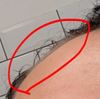
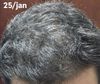
A user is developing a tool to track hair density, aiming to help those using treatments like minoxidil. They seek feedback on the tool's usefulness and are considering a low-cost model to cover expenses.
Hair loss treatments like finasteride, minoxidil, and ketoconazole shampoo are discussed humorously, with skepticism about future cures. Users express frustration over the lack of a permanent solution and joke about investing in stocks or using time travel to solve baldness.
A user shared progress pictures of a hair transplant from Padra Clinic in Toronto, claiming 8000 hairs were transplanted for $4000 CAD. The post faced skepticism, with users questioning the results and clinic's credibility, while the user mentioned using zinc, biotin, and hair laser therapy for aftercare.
Swelling after a hair transplant is normal and can be reduced with ice packs, head elevation, and possibly corticosteroids. The user had a no-shave FUE procedure and is using oral finasteride and minoxidil.
The user started using 5% topical Minoxidil in early November and noticed some hair growth, especially on the crown, and has just begun taking 1mg oral Finasteride. They plan to continue treatment and share progress updates.
The user reported positive progress in hair growth after taking 5 mg of oral minoxidil daily and 2.5 mg of dutasteride three times a week, with noticeable changes in hair fullness and body hair growth. They experienced initial side effects at a higher dosage but reported no side effects at the current dosage and plan to continue updating their progress.
A 23-year-old is distressed about hair loss despite using dutasteride and oral minoxidil and is considering a hair transplant in Turkey. Many suggest therapy, hair systems, or acceptance, emphasizing mental health over appearance.
A 24-year-old male achieved significant hair regrowth using 2.5mg oral minoxidil and 0.5mg dutasteride every other day, with no side effects and increased libido. Revita shampoo and conditioner were also used but were less effective than the medications.
The user experienced hair loss since 2019 and tried finasteride, dutasteride, RU58841, and ketoconazole shampoo without success. A scalp biopsy showed scarring and inflammation from folliculitis, indicating chronic inflammation was affecting treatment effectiveness.
KX826 shows promise as a hair loss treatment with a 10% increase in hair count, but concerns about Kintor's marketing practices and the systemic effects of treatments like GT20029 and RU58841 remain. Users express skepticism and hope, with some preferring traditional treatments like finasteride and minoxidil.
The conversation humorously discusses starting oral microneedling for hair loss, with mentions of side effects like internal bleeding and abdominal pain. It also references using treatments like minoxidil and finasteride, with exaggerated and satirical comments on their effects.
A 25-year-old discusses hair loss and its impact on confidence, considering treatments like finasteride and minoxidil. Recommendations include these medications and lifestyle changes to manage hair loss.
The user shared impressive hair regrowth results after one year using oral finasteride and minoxidil spray, despite skepticism from some about the authenticity of the progress. The user experienced minimal side effects, such as an itchy scalp, and emphasized the importance of consistent use for maintaining results.
Diffuse thinning is worse than a receding hairline as it affects the entire scalp, complicating styling and hair transplants. Treatments like finasteride, minoxidil, dutasteride, and RU58841 are mentioned, with some users noting improved hair density.
Androgenetic alopecia is caused by DHT affecting hair growth. Finasteride and minoxidil are used to manage hair loss by blocking DHT and promoting hair growth.
The user shared progress pictures after 3 months of using finasteride 1mg daily and minoxidil 5% twice daily, showing significant hair regrowth, especially at the temples. The discussion includes positive feedback on the results and tips on managing hair care while using these treatments.
The conversation discusses a 17-year-old using finasteride to address early hair thinning, expressing pride in taking action to prevent hair loss. The user emphasizes the importance of starting treatment early and shares experiences with the hair loss community.
The user saw promising results after 4 months of using oral finasteride and minoxidil for hair regrowth. Other users commented on the progress, with some suggesting switching to Dutasteride and oral Minoxidil for potentially better results.
Follicopeptide (FOL005) by Coegin Pharma will launch as a cosmetic hair growth treatment by Q2 2025, showing similar efficacy to finasteride. Users discuss the benefits and skepticism of releasing hair loss treatments as cosmetics rather than drugs.
FCE 28260 (PNU 156765), an under-explored 5α-reductase inhibitor, showcases promising results in research by Giudici et al., outperforming well-known treatments like Finasteride in reducing the conversion of testosterone to DHT. Its superior efficacy, demonstrated through lower IC50 values in both natural and human recombinant enzyme studies, suggests it could offer more effective management of DHT-related conditions. Additionally, its lower molecular weight hints at better potential for topical application, potentially offering advantages in treating conditions such as androgenic alopecia. Despite its potential, it has not advanced in development, possibly due to financial limitations, leaving its therapeutic prospects and side effect profile largely unexplored.
Topical dutasteride is suggested as a low side-effect treatment for hair loss, with a proposed dose of 0.025% 1ml/day. It is considered better than finasteride due to its even inhibition of DHT isoforms and lower systemic absorption.
A user experienced no reduction in DHT levels after 8 months of finasteride, despite initial improvement in hair loss. They are considering switching to dutasteride but are concerned about potential side effects.
LeBron James likely uses hair transplants and possibly hair fibers or sprays to maintain his hairline, but his crown remains problematic. Despite his wealth, he hasn't fully resolved his hair loss, leading to speculation about his treatments and choices.
The conversation humorously discusses using finasteride to combat hair loss, referencing "Dune" themes. Users agree that finasteride is essential for maintaining hair.
A user is considering starting finasteride after quitting minoxidil due to scalp inflammation, despite ongoing hair shedding and a worsening crown area. Another user suggests taking finasteride in the morning to minimize focus on potential side effects like slightly decreased libido.
Users discussed hair loss treatments, specifically minoxidil and finasteride. They shared personal experiences and advice on starting these treatments early.
A user shared their 6-month progress on finasteride but stopped due to financial issues, seeking advice on whether to continue. Replies strongly advised resuming finasteride to maintain progress, with suggestions for affordable options.
A user shared progress pictures after one year of daily 0.5 mg Dutasteride for hair loss prevention and regrowth. Other users discussed the effectiveness of Dutasteride compared to Finasteride and Minoxidil.
User shared progress pictures showing significant hair regrowth using 1mg finasteride and topical minoxidil daily since January. Other users congratulated and shared their own experiences and advice.
Tressless GPT is now free and accessible for hair loss advice. Treatments discussed include Minoxidil, finasteride, RU58841, dutasteride mesotherapy, topical melatonin, microneedling, and rapamycin.