Oral minoxidil and dutasteride are used for hair loss with mixed results. Some users report new growth, while others suggest scalp inflammation may be an issue.
People are discussing JXL-069 (PP405) for hair loss, with some experimenting with a 0.05% topical gel. Concerns about safety and efficacy persist due to limited testing and lack of official approval.
The conversation discusses hair regrowth efforts using minoxidil, microneedling, ketoconazole shampoo, and saw palmetto shampoo, with suggestions to add finasteride or dutasteride for better results. Some users notice slight improvement, but many recommend starting finasteride or considering a hair transplant for significant progress.
Hair loss significantly affects men's confidence and mental health. Common treatments include finasteride, dutasteride, and minoxidil, with some considering hair transplants.
UCLA's PP405 shows promise in reactivating dormant hair follicles for hair loss treatment but is still in clinical trials. Minoxidil and finasteride remain common treatments until PP405 becomes available.
Significant hair regrowth was achieved over six months using minoxidil, finasteride, microneedling, biotin and collagen shampoo, and MSM powder. The user feels more confident and may consider a hair transplant if necessary.
A 20-year-old experiencing hair shedding after starting oral finasteride is advised to continue treatment and consider adding topical minoxidil. Shedding is normal, and patience is needed for hair regrowth.
Some men have strong balding genetics that treatments like Dutasteride, Minoxidil, or Finasteride may not fully address. Early intervention is believed to help, but many accept hair loss without treatment.
GT20029 and KX826 are promising hair loss treatments, with GT20029 increasing hair count and KX826 showing significant results. KX826 may be a good alternative for those who can't use finasteride or dutasteride, though results vary.
The user has taken 0.5mg of finasteride daily for 1 year and 4 months, experiencing hair regrowth and thicker hair without significant side effects. They avoided minoxidil due to side effects and noticed improvements starting at 2-3 months, with significant results at 6-8 months.
An 18-year-old began using Finasteride and Topical Minoxidil for hair loss, later switching to Oral Minoxidil and Dutasteride by age 25. The conversation emphasizes early treatment, potential side effects, and differing opinions on medication effectiveness.
The user is happy with their 3-month hair loss treatment progress using 1mg finasteride daily, 5% minoxidil twice daily, derma stamping 1-2 times a week, and WaterMans shampoo. They noticed improvements despite initial shedding and stopped taking creatine, which they suspect might have affected hair loss.
The conversation discusses hair loss treatments, focusing on alternatives to Minoxidil, such as Bimatoprost and Latanoprost, and the use of Finasteride, Dutasteride, RU58841, and microneedling. The user plans to add Latanoprost to their regimen, which already includes oral and topical Minoxidil and Finasteride, Ketoconazole shampoo, and microneedling.
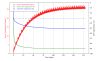
A Dutasteride Simulator predicts serum dutasteride, serum DHT, and scalp DHT levels using models from research papers. It simulates various dosing schedules to determine steady-state effects and visualizes outcomes, including hair growth-related scalp DHT suppression.
Dutasteride has been used for 20 years with some hair thickness improvement but no dramatic regrowth. The user also experimented with minoxidil, tretinoin, and peptides like BPC 157 for potential benefits in hair density and quality.
A user stopped using 5% minoxidil and finasteride despite positive results to focus on enjoying life without the stress of hair care. They prioritize personal happiness and acceptance over hair maintenance.
A person in their 20s is struggling with hair loss, using treatments like minoxidil and finasteride. Suggestions include self-improvement, therapy, hair transplants, and focusing on acceptance and confidence.
The conversation humorously discusses a person with an unusually thick head of hair, with some users joking about using treatments like Minoxidil and finasteride. Many express envy or disbelief, while others suggest a haircut or comment on facial features.
An 18-year-old is dealing with early hair loss and feels unsupported. They have started oral minoxidil and are considering finasteride but are worried about side effects due to high testosterone levels.
The user is experiencing positive hair regrowth results after four months of using oral finasteride (1mg daily), oral minoxidil (5mg daily), Polaris NR02 shampoo, and ketoconazole 2% shampoo. They plan to continue the regimen and consider a hair transplant in the future, with no reported side effects from the current treatment.
People regret neglecting their hair until it started thinning, and they are now using treatments like finasteride, minoxidil, and microneedling. Some are considering stronger options like dutasteride due to mixed results.
Finasteride can aid hair regrowth but may cause side effects like depression and sexual dysfunction. Users discuss experiences with finasteride, minoxidil, and RU58841, highlighting varied responses and the importance of informed treatment choices.
Some users believe people falsely claim hair restoration results from finasteride and minoxidil alone, while actually having hair transplants. Finasteride and minoxidil, often used with microneedling and nizoral, are effective for many, but results and opinions on dosages vary.
A 32-year-old man had a successful hair transplant in Atlanta, using 1mg finasteride and 5% topical minoxidil daily, which greatly improved his confidence and appearance. He spent about $13,000 and is very satisfied with the youthful results and increased happiness.
The conversation is about hair loss affecting motivation to work out. The original poster is using dutasteride and minoxidil and is considering a hair transplant.
Finasteride and dutasteride are essential for stopping hair loss, while natural remedies are ineffective. Minoxidil can be added if needed, but blocking DHT is crucial.
A 22-year-old male is frustrated about being the only bald person in his social circle. He has tried minoxidil, finasteride, and dutasteride without success and is considering hair systems, transplants, or counseling.
Tristan Tate's hair loss is discussed, with mentions of finasteride, minoxidil, and dutasteride as treatments. Users speculate on his hair styling, steroid use, and legal troubles.
The conversation is about hair loss treatments, with users recommending finasteride and minoxidil as effective solutions. Some users report side effects, but overall, the consensus is to use these treatments rather than waiting for a cure.
Pyrilutamide is a selective AR antagonist with a high binding affinity, making it effective in competing with DHT for androgen receptors. The 1% concentration is more effective than the 0.5%, but the latter may suffice for mild hair loss; the drug is considered a good option for those avoiding 5AR blockers due to side effects.