Channing Tatum's hair loss and whether he accepted baldness or had a hair transplant. Users share experiences with finasteride and hair transplants, and discuss the importance of hair maintenance with age.
Creatine does not cause hair loss, despite many users reporting personal experiences of hair shedding. Scientific evidence shows no link between creatine and increased hair loss or hormone changes.
The user experienced significant hair regrowth after 3 months using topical minoxidil 5% and oral finasteride, with initial shedding but no lasting side effects. They considered adding microneedling but were advised against it, as their current treatment was already effective.
A user humorously questions getting a hair transplant, leading to a satirical discussion with jokes about missing ears and fictional characters. The conversation is lighthearted and doesn't focus on specific treatments like Minoxidil, Finasteride, or RU58841.
A user with seborrheic dermatitis and traction alopecia is seeking alternatives to minoxidil for hair loss, considering rosemary oil for its anti-inflammatory properties. They express concerns about potential side effects and effectiveness of various treatments, including rosemary oil, caffeine, and Redensyl.
Noticeable hair regrowth occurred after two months of using minoxidil and starting finasteride. Users suggested continuing the treatment and considering microneedling for better results.
John Cena attributes his improved life and career to a hair transplant and maintenance routine with red-light therapy, minoxidil, vitamins, and shampoo. Users discuss the effectiveness and side effects of finasteride, with mixed opinions on its necessity.
The user is experiencing hair loss and has been using topical Minoxidil 5%, Keto 2% shampoo, and Tretinoin 0.025% for six months, with plans to start topical Finasteride 0.1% soon. They are advised to focus on DHT blockers like Finasteride and consider additional tests and supplements to address potential deficiencies and scalp health.
Procapil is marketed as a natural hair loss treatment but lacks strong evidence and is industry-biased. Minoxidil and Finasteride are the only FDA-approved treatments for androgenetic alopecia.
A young person is distressed about rapid hair loss despite using finasteride and recently starting oral minoxidil. Many suggest continuing treatment, considering dutasteride, and seeking therapy for mental health support.
PP405 shows promise in treating severe hair loss, with 31% of users experiencing over 20% hair density increase in four weeks, faster than minoxidil and finasteride. Some users are skeptical about the results' significance and long-term efficacy.
Creatine does not significantly affect DHT levels or cause hair loss. Some users continue using finasteride and minoxidil while taking creatine, expressing skepticism about its impact on hair loss.
Higher doses of dutasteride reduce scalp DHT more effectively than finasteride, but have diminishing returns after 3mg daily and may cause more side effects. Combining dutasteride with topical minoxidil can enhance results, but using both finasteride and dutasteride together is unnecessary.
Cbum's hair transplant is criticized for looking unnatural and not blending well, with some suggesting better results were expected given his resources. Discussions also cover the effects of steroids and finasteride on hair loss and muscle growth.
Increased hair loss after starting a 10g daily creatine regimen, possibly linked to elevated DHT levels despite dutasteride use. Stopping creatine reduced shedding, but the exact cause is uncertain, with discussions on exercise and lifestyle impacts.
The user has been using minoxidil for a year and started microneedling recently, but is unsure about hair regrowth and is considering starting finasteride despite concerns about side effects. Other users suggest that combining minoxidil with a DHT blocker like finasteride is necessary for better results, as minoxidil alone may not be effective long-term.
The user is using a combination of microneedling, minoxidil, tretinoin, scalp massages, and red light therapy to address hair loss, with a focus on the hairline and temples. They emphasize the importance of scalp massages and have seen regrowth, attributing success to their comprehensive routine.
A 41-year-old is addressing hair loss by eating better, using a dermaroller, and taking Nutrafol, but many suggest adding finasteride and minoxidil for better results. The conversation includes mixed opinions on Nutrafol's effectiveness, with some recommending pharmaceutical treatments like finasteride and minoxidil for more significant hair regrowth.
The user reported positive hair regrowth after 5 months using Minoxidil, red light therapy, and lifestyle changes, including dietary improvements and stress reduction. They chose natural supplements like saw palmetto and beta-sitosterol over pharmaceutical DHT inhibitors like finasteride.
Finasteride can affect sperm quality, but fertility usually returns after stopping it, as shown by a user who conceived four months after discontinuation. Some users successfully conceive while on finasteride, though some prefer to pause its use to minimize risks.
Topical minoxidil and oral finasteride can effectively improve hair growth and slow hair loss, though results may vary. Consistency is important for achieving significant improvement.
Hair cloning is seen as a distant and potentially less relevant solution for hair loss due to its high cost, invasiveness, and the advancement of other treatments like Minoxidil and finasteride. Many believe that by the time hair cloning becomes viable, other less invasive and more effective treatments will be available.
The user is considering switching from finasteride to dutasteride due to continued hair loss and lack of improvement after 8 months. They plan to add minoxidil and are advised to give treatments more time, as progress can take years.
The user experienced significant hair regrowth after using oral and topical minoxidil and finasteride for over three months. They reported minimal side effects, such as facial hair growth and minor bloating, and are optimistic about continued progress.
PP405 is in phase 2 trials for hair loss, with discussions on its cost and effectiveness compared to minoxidil and finasteride. Users are skeptical about its efficacy and timeline, with hopes for market release by 2027.
The user experienced hair loss and initially used Finasteride, but switched to Dutasteride after continued shedding. Dutasteride stabilized their hair density with mild side effects, and they did not use Minoxidil.
Minoxidil gains are not permanent without continued use, even with DHT suppression. Combining treatments like Dutasteride, Finasteride, and RU58841 may help maintain hair, but stopping Minoxidil typically results in hair loss.
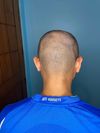
The user shaved their head and is using finasteride and minoxidil for hair loss, expressing confidence in the process despite challenges. They are considering additional treatments like microneedling and are open to trying different looks, including facial hair growth.