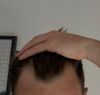
Hair loss progress after 12 months using minoxidil, finasteride, and microneedling. Goal is to maintain and improve hair until old enough for hair transplant.
The conversation is about people with advanced hair loss (Norwood 6 or 7) who have seen significant hair regrowth using treatments like finasteride, minoxidil, microneedling, and RU58841. Nine cases were collected to motivate others to try these treatments despite advanced hair loss.
A new hair loss treatment, PP405, is moving from phase 2A to 2B in clinical trials, sparking discussions about its potential to regrow dormant hairs and its impact on existing treatments like Minoxidil and finasteride. Some users express skepticism, while others are hopeful about its future effectiveness.
The user experienced significant hair regrowth using topical Minoxidil and Finasteride, along with Saw Palmetto and volumizing shampoo. They are considering a hair transplant in the future if needed.
Inflammation plays a significant role in hair follicle miniaturization and androgenetic alopecia, with treatments like ketoconazole shampoo, minoxidil, and finasteride being used to address it. Users discuss the benefits of anti-inflammatory treatments and peptides like KPV, alongside traditional hair loss treatments, to improve scalp health and hair quality.
A 22-year-old has been using finasteride 1mg daily and keto shampoo 1% weekly for hair loss with some progress but no significant regrowth yet. Users suggest waiting up to 18 months for results and possibly adding minoxidil or microneedling if needed.
PP405 is a potential hair loss treatment that may reactivate dormant hair follicles, with Phase 3 trials expected. Some users are cautious, suggesting using finasteride in the meantime, while others are skeptical about PP405's effectiveness.
A 23-year-old is using 0.25mg Finasteride for hair loss and experiencing increased shedding after initial reduction. Advice given is to wait longer for results, as hair cycles take time to adjust, and consider increasing the dose if no improvement occurs in a few months.
A user shared their 8-year journey with hair loss treatments, including oral minoxidil, dutasteride, Propecia, and a 2500 FUT hair transplant, leading to significant hair regrowth and a healthy lifestyle. They experienced some side effects like oily skin and a higher-pitched voice but maintained high testosterone levels and a strong libido.
TGF-B affects hair growth, both causing stem cell division and death depending on amounts. Amplifica's treatment injects Scube3 to increase TGF-B for hair growth.
A user shared progress pictures showing improvement in PCOS-related hair loss after six months of using topical minoxidil, dermarolling 0.5mm weekly, and taking biotin gummies. They expressed happiness about the appearance of new baby hairs.
Microneedling, when combined with finasteride and topical minoxidil, can enhance hair regrowth for male pattern baldness, especially at the temples. Users report varying success with needle depths between 0.5mm and 1.5mm, with stamps preferred over rollers to minimize scalp damage.
Participants want to maintain hair until at least age 30, using treatments like finasteride, dutasteride, and minoxidil. Hair loss remains a concern, with some considering hair transplants.
An 18-year-old is using minoxidil, finasteride, and tretinoin for hair loss, with concerns about uneven temple progress. They have been on minoxidil for 3.5 months and finasteride for 2 months.
The user has been using 5% Minoxidil foam twice daily, microneedling every two weeks, and Nizoral 2% shampoo weekly for hair loss treatment. They've seen improvements in their hairline and eyelashes, and are considering adding finasteride to their regimen.
A user shared their 6-month hair loss treatment progress, which included 3200 FUE grafts, oral finasteride and minoxidil, keto shampoo, and biotin. The user also mentioned micro needling their temples for further growth and plans to observe the effects of finasteride and minoxidil over the next 6-12 months.
A 21-year-old has been using 0.4mg finasteride and 1mg oral minoxidil (increased to 2mg) for 9 months with no noticeable hair growth and worsening hair condition. They are considering stopping finasteride due to side effects and are seeking advice on other treatments.
A 23-year-old shared their successful hair regrowth experience using 2.5mg oral Minoxidil and 1mg Finasteride, noting significant improvement between months 4 to 7 with minimal side effects like bloating. They plan to continue treatment until it stops working or they turn 30, and they are open to embracing baldness in the future.
A 21-year-old male has been experiencing hair thinning and receding since age 18 and is considering treatments like Minoxidil, finasteride, and RU58841. He regrets not starting treatment earlier.
A user shared their disappointing results after 1.5 years of hair treatments, including a hair transplant, finasteride, minoxidil, PRP, vegan shampoo, and more. They are considering switching to dutasteride, oral minoxidil, and improving their microneedling routine.
A 38-year-old male is experiencing temple hair loss and is considering treatments like topical Finasteride and Minoxidil, despite concerns about side effects and shedding. He is also contemplating a hair transplant and seeking advice on additional shampoos or supplements.
A 19-year-old male switched from finasteride and minoxidil to dutasteride due to continued hair thinning and is experiencing increased nipple sensitivity and a small lump, raising concerns about gynecomastia. Suggestions include slowing the transition, checking hormone levels, and considering an aromatase inhibitor.
The conversation discusses hair loss treatments, specifically Regenera stem cells and exosomes from 'Cellgenic' umbilical cord donors. The user has been using topical minoxidil 5% and 0.001% estradiol for a year without seeing effects, and another user mentions the importance of microneedling.
For early hair thinning, users suggest starting with finasteride alone and considering minoxidil later if needed. Some users advise against minoxidil due to long-term dependency, while others recommend scalp massages and alternatives like red light therapy.
A 32-year-old is seeing new hair growth after two months of using minoxidil foam twice daily, finasteride every other day, and weekly microneedling. They previously had a hair transplant but did not use medication afterward, which they now regret.
MCL-1 protein may help maintain hair follicles in the growth phase and prevent miniaturization. There is interest in experimental treatments like exosomes, peptides, or stem cell serums to upregulate MCL-1 for hair loss, especially for those not using minoxidil or finasteride.
A 20-year-old male shares his 2.5-month progress using 1mg finasteride, topical minoxidil, tretinoin, dermarolling, and ketoconazole for hair loss, noting slight libido decrease. Users discuss sourcing topical finasteride and request more photos to see the results.
The user is concerned about starting finasteride due to ongoing body development and seeks alternatives to maintain hair until age 25. They are considering options other than finasteride for hair loss management.
The user has been treating hair loss for 2.5 years using finasteride, dutasteride, oral and topical minoxidil with tretinoin, and microneedling, but is experiencing shedding and is unsure if further improvement is possible. Another person shared a similar experience with no gains despite similar treatments.
The user has been using finasteride for 18 years to manage hair loss and is considering starting minoxidil and possibly a hair transplant. Despite some regrowth, they are exploring additional treatments like dutasteride and oral minoxidil due to continued hair thinning.