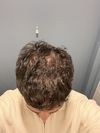
Beta blockers may cause hair thinning as a side effect. The user is concerned about this and seeks others' experiences with hair loss while using beta blockers.
The conversation discusses potential causes of pigmentation around hair follicles, suggesting sebum buildup, autoimmune conditions, or dermatitis. Treatments mentioned include finasteride, dutasteride, and an anti-inflammatory diet, with a recommendation to consult a doctor for a proper diagnosis.
Male pattern baldness and diffuse thinning can both be forms of androgenetic alopecia (AGA), and it's important to consult a doctor for proper diagnosis. Treatments like Minoxidil, Finasteride, and biotin are discussed, but their effectiveness varies, and side effects are a concern.
A user is trying to reverse male pattern baldness (MPB) naturally by taking high doses of Vitamin D, improving diet, exercising, reducing stress, and other lifestyle changes, but plans to use finasteride if no results are seen in 60 days. Other users are skeptical, advising medical treatments like finasteride and warning against potential vitamin D overdose and the ineffectiveness of natural remedies for genetic hair loss.
The user experiences histamine intolerance with alcohol-based hair loss treatments like Rogaine foam and seeks alternatives. Suggestions include alcohol-free and PPG-free topical minoxidil or finasteride, and trying Spectral products with different solvents.
A 22-year-old male with high estrogen levels is considering finasteride for hair loss but is concerned about potential side effects due to his hormone levels and family history of diabetes. Users suggest consulting a doctor, possibly an endocrinologist, and considering lifestyle changes like diet and exercise to address visceral fat and insulin resistance before starting treatment.
A user shared their baseline bloodwork results before starting Finasteride 1mg every other day, seeking comparison with others who have done similar tests. They are interested in any changes observed after beginning the treatment.
The user got blood work to check hormone levels before starting Finasteride for hair loss and is seeking advice on interpreting the results. They are considering hormone levels in relation to potential side effects of Finasteride.
A user with seborrheic dermatitis uses Ketoconazole 2% and Betamethasone and is considering starting Minoxidil for thinning hair. They are concerned about using Minoxidil and Betamethasone simultaneously.
Elevated bile acids can inhibit the enzyme AKR1C2, leading to increased DHT levels, which may accelerate hair loss in those predisposed to androgenetic alopecia. Treatments mentioned include topical minoxidil and finasteride.
The conversation discusses potential hair loss treatments, including methylating estrogen, losing body fat, and supplementing with vitamins A, K2, and D. It also mentions reducing exposure to environmental estrogenics, with skepticism about genetic factors being the primary cause of baldness.
OP experienced significant hair regrowth after recovering from iron deficiency anemia and starting minoxidil. They suspect anemia contributed more to their hair loss than androgenetic alopecia (AGA).
Switching from spironolactone to bicalutamide caused severe hair shedding, despite using treatments like dutasteride, minoxidil, and estradiol injections. The user is experiencing androgenetic alopecia and is seeking solutions to stop the hair loss.
The conversation discusses hair loss treatments, specifically mentioning Minoxidil, finasteride, RU58841, and TB-500 Thymosin Beta-4. It critiques the credibility of biohacking claims.
A 21-year-old male suffering from male pattern baldness is using topical finasteride and minoxidil, and oral minoxidil. His bloodwork shows normal DHT levels and slightly high testosterone, leading to discussions about the role of DHT sensitivity in hair loss, the potential impact of finasteride on his DHT levels, and the suggestion to proceed with oral finasteride due to his high testosterone.
The conversation is about a person's hair loss treatment routine, which includes Metformin, sleep in darkness, avoiding EMF at night, Nizoral, Dermarolling, Castor oil, and Collagen. They have observed less hair shedding and increased hair volume.
The user experienced hair repigmentation and attributes improvements in hair and overall health to a carnivore diet, Boron, and Selenium supplementation. They stopped using finasteride after 20 years, noticed increased testosterone and libido, and observed hair regrowth with RU58841.
User reports worsening hair loss despite using Avodart 0.5mg daily and 2ml of Minoxidil daily for over three years. They maintain a healthy lifestyle and are athletic.
The user is experiencing diffuse hair thinning despite using finasteride and oral minoxidil, with no hairline recession or bald spots. Suggestions include checking for telogen effluvium, considering a JAK inhibitor for potential autoimmune issues, and conducting further tests to rule out other causes.
A 34-year-old man plans to reduce his finasteride dose from 1 mg to 0.5 mg due to negative side effects like hormonal imbalances and seeks advice on managing these effects and potential alternatives. Suggestions include considering dutasteride as an alternative and noting that a new equilibrium with a reduced dose may take about two weeks.
The user stopped using finasteride after two weeks due to gynecomastia symptoms and shared blood work results questioning if they indicate a cause for the side effects. The user is considering restarting finasteride and seeking advice on their blood work levels in relation to gynecomastia.
Celery juice is discussed as a potential treatment for crown balding, with skepticism from users. The conversation highlights differences between alopecia areata and male pattern baldness.
User experienced hair loss due to anorexia and stress, leading to a difficult journey with wigs and self-esteem. Hair regrowth occurred with spironolactone, but recent hair loss returned, causing uncertainty and emotional struggles.
The user is experiencing hair loss, possibly due to androgenic alopecia or telogen effluvium, and is considering treatments like Minoxidil, Finasteride, or RU58841. They also mention potential iron deficiency and sleep deprivation as contributing factors.
The conversation discusses various supplements and vitamins like Vitamin D3, K2, Biotin, Iron, Zinc, and B Vitamins for improving hair health. It also mentions a combination of Tocotrienols, Pycnogenol, Saw Palmetto, Pumpkin Seed Oil, Stinging Nettle, and Myricetin for stabilizing hair, with Saw Palmetto, Pygeum, and Stinging Nettle noted for thickening hair despite side effects.
The conversation criticizes the negative attitude towards those concerned about side effects from hair loss treatments like finasteride and minoxidil, or who prefer natural remedies. Specific treatments discussed include finasteride, minoxidil, rosemary oil, and RU58841, with an agreement that finasteride and minoxidil are proven effective.
The user experienced hair loss issues after switching from finasteride to dutasteride and back, with stress and seborrheic dermatitis affecting hair quality. They plan to continue finasteride, treat seborrheic dermatitis, and monitor nutrient levels, considering low-dose oral minoxidil if safe.
A user reported that taking iron polymaltose significantly reduced their hair loss. They also mentioned hair loss due to DHT and asked if hair loss from iron deficiency is permanent or temporary.
Addressing hair loss by checking vitamin D and iron levels is crucial before adding more treatments. Supplementing these deficiencies can significantly reduce shedding.
User experienced hair loss since 16, used Fin, Minox, and Nizoral with success but stopped due to side effects. Now using Pur D'or shampoo, Rogaine foam, scalp massages, volumizing spray, and dermarolling for hair maintenance.