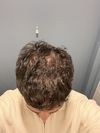
The conversation is about someone inquiring if anyone has tried Olumiant or its active ingredient, Baricitinib, for hair loss, mentioning the cost and that they have ordered Baricitinib.
The user is experiencing hair loss, possibly due to androgenic alopecia or telogen effluvium, and is considering treatments like Minoxidil, Finasteride, or RU58841. They also mention potential iron deficiency and sleep deprivation as contributing factors.
Male pattern baldness (MPB) may be an early warning sign for type 2 diabetes due to its association with insulin resistance. Treatments discussed include testosterone therapy and finasteride, which affects hormone levels related to hair loss and insulin sensitivity.
Poor gut health may contribute to hair loss and scalp inflammation, with treatments like finasteride, minoxidil, and Nizoral being used. Improving gut health and addressing inflammation might help alleviate symptoms.
A 30-year-old man is considering quitting Finasteride due to sexual side effects, including reduced libido and difficulty reaching orgasm, despite its effectiveness in treating hair loss. He is exploring other factors like relationship issues and potential low testosterone, and is considering getting blood work done.
A user on 1mg finasteride for a year has low estradiol levels but no significant symptoms, and others suggest monitoring without immediate concern. Some users discuss potential effects of low estrogen, like low libido, but the user reports no erectile dysfunction.
Concerns about the impact of hair loss treatments like finasteride on fertility and future children. The user is worried about reduced sperm count and quality due to lowered DHT levels.
Addressing hair loss by checking vitamin D and iron levels is crucial before adding more treatments. Supplementing these deficiencies can significantly reduce shedding.
The conversation discusses preventing infection from derma stamping for hair loss treatment, with suggestions to reduce needle depth and consider alternatives like tretinoin. The user experienced irritation possibly from zinc chloride and stopped using the shampoo and derma stamping.
The user is experiencing irritation from using PG with RU58841 and is seeking alternative solutions like K&B in the UK. They report redness, itchiness, and flaky skin from the current treatment.
The conversation discusses concerns about the efficacy of pyrilutamide if left in a mailbox for several hours. It also mentions treatments like Minoxidil, finasteride, and RU58841 for hair loss.
The user believes Retrograde Alopecia may be linked to vitamin imbalances, specifically from taking too much Vitamin E, A, Zinc, and Selenium, and suggests it could be a middle ground between Androgenic Alopecia and Telogen Effluvium. Treatments for hair loss mentioned include Androgen inhibitors and improving lifestyle factors like nutrition and sleep, with topical melatonin also recommended for Retrograde Alopecia.
A user noticed increased hair loss after taking B12 supplements for two months, with B12 levels rising to 1500. They are seeking help as other tests show normal levels of minerals and vitamins.
An 18-year-old with diffuse hair thinning is considering switching from a topical Minoxidil 10% + Finasteride 0.1% solution to Minoxidil 5% foam and oral Finasteride 0.5mg, while also addressing vitamin D deficiency and potential scalp inflammation. Users suggest using Nizoral shampoo for inflammation, considering dutasteride for better results, and maintaining vitamin D levels to protect hair follicles from DHT.
The user discusses their experience with diffuse unpatterned alopecia and acquired progressive hair kinkering, noting improvements with treatments including biotin, pantothenic acid, finasteride, ketoconazole, and zinc pyrithione shampoo. They report thicker, healthier hair and improved scalp condition, attributing success mainly to biotin, pantothenic acid, and finasteride.
The user is considering using dutasteride or finasteride for hair loss and has recurrent folliculitis. Another user suggests treating the folliculitis and notes diffuse thinning.
The conversation is about baricitinib, a medicine that can help with hair loss, and why it isn't more popular or widely discussed. No specific experiences with the treatment were shared.
Finasteride and Dutasteride do not cause depression or "Post Finasteride Syndrome," with concerns often linked to the nocebo effect and preexisting mental health issues. The EU is unlikely to ban these drugs, but access may become more restricted due to ongoing debates.
OP believes RU58841 affected their thyroid, causing hypothyroidism and impacting minoxidil's effectiveness. They plan to start thyroid medication to improve hair regrowth.
Finasteride is not linked to a 60% risk of persistent sexual dysfunction; this figure applies only to those already experiencing sexual issues. Most users do not have side effects, and the study's methodology is criticized for selection bias.
The user is experimenting with a zinc sulfate and B6 topical solution called "Zix" for hair loss, alongside using a zinc oxide scalp mask and low-level laser therapy (LLLT). They report minimal hair loss after three months of use and are seeking feedback from others who have tried similar treatments.
The user experienced significant hair thinning despite using finasteride and minoxidil, leading to concerns about whether it's a temporary shed or a more serious issue. They plan to start using RU58841 and are advised to consult a doctor to rule out other causes like autoimmune disorders.
The user experienced hair regrowth using finasteride, biotin, folic acid, vitamin D3, and microneedling, despite initial shedding. Vitamin D3 deficiency caused hair loss and insomnia.
Sunburns on the scalp can cause permanent hair loss, especially for those using Tretinoin or Tacrolimus. Wearing UPF 50+ hats is recommended to protect against UV radiation.
The user is experiencing hair loss and is using treatments like finasteride, minoxidil, and hormone replacement therapy (estradiol enanthate injections) to address it. They are advised to be patient with the treatments and consider using a dermapen for microneedling.
GHK-Cu is a potent inhibitor of the type 1 5-alpha reductase enzyme in hair follicles, which may reduce hair loss without the side effects associated with type 2 5-alpha reductase inhibitors. The user previously experienced side effects with 5-alpha reductase inhibitors and is considering GHK-Cu as an alternative.
A 16-year-old researching and trying Pyrilutamide for hair loss treatment, reporting back on side effects experienced after one week of use; the reported side effects included testicle pain, headache, and increased shedding. Libido and sexual performance seemed unaffected.
Increasing IGF-1 may help hair growth, but it could also increase hair loss in people with high testosterone. Treatments discussed include l-arginine, glutamine, vanadium, Deer Antler Velvet, ATP, Cocarboxylase, l-carnitine, and Mk677.