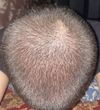
HMI 115 did not work as expected for hair regrowth in humans, unlike in macaque monkeys. There is anticipation for further research on prolactin's role in hair loss, with expectations that pharmaceutical companies will likely solve this before universities.
A potential treatment for hair loss that involves injecting fat into the scalp; the role of testosterone and estrogen in thinning fat tissue under the skin; research on using lard to treat androgenic alopecia, as well as PRP + ACELL/amniotic stem cell treatments; and ongoing clinical trials by doctors involved in the study.
The experiences of users who have used RU58841 to treat hair loss, including both positive and negative effects. Some side effects reported include chest pain, joint pain in the hands, tinnitus, and increased heartbeat.
The user experienced significant hair thinning despite using finasteride and minoxidil, leading to concerns about whether it's a temporary shed or a more serious issue. They plan to start using RU58841 and are advised to consult a doctor to rule out other causes like autoimmune disorders.
Hair loss treatments, specifically 5AR inhibitors, can impact neurosteroids and sexual health. The effects of topical fin/dut on tissue-specific DHT levels are unclear.
Microneedling may worsen hair loss due to potential scarring and inflammation, with some users suggesting caution and proper technique to avoid damage. Alternatives like Minoxidil, finasteride, and RU58841 are implied as safer options.
Microneedling may enhance hair loss treatment by increasing the effectiveness of topical minoxidil, especially for those lacking the necessary enzyme to activate it. It might also work by triggering growth factors and improving topical absorption.
A 43-year-old male with advanced hair loss is experimenting with alternative treatments, including red light therapy, microneedling, scalp massages, an oil mix, and ketoconazole shampoo, after previously experiencing side effects from finasteride and minoxidil. He noticed some minor changes with red light therapy but remains skeptical about significant improvement.
The individual is experiencing hair loss due to insulin resistance (IR) and is seeking advice. They are currently using a keto diet, supplements, exercise, and plan to add metformin to their regimen.
A new potential hair loss treatment called HMI-115, and the cost of this treatment which may be expensive due to production costs but could be competitive with other treatments such as hair transplants.
A user's experience with microneedling monotherapy and potential treatments such as finasteride, minoxidil, Stemoxydine, rosemary oil, peppermint oil, and RU58841 for reversing hair loss.
After jaw surgery caused intense hair shedding and scalp itch, using pyrilutamide significantly reduced these symptoms. It's suggested to test pyrilutamide for authenticity before use, despite positive personal experience with the product from MV Supplements.
Scientists discovered a potential baldness treatment from hairy moles, which can be injected like Botox. Users discussed the treatment's implications, including its safety and effectiveness.
Hair loss discussion includes treatments Minoxidil, Finasteride, and RU58841. HMI 115 shows anecdotal success in Phase I trial, users seek group buy for research chemical.
The user is considering resuming finasteride after a 6-month break and is debating the necessity of extensive blood work, including hormone and health markers, to establish a baseline. They are unsure if the tests are necessary since they experienced no side effects previously.
A user shared their positive experience with the Omnilux Red Light mask for skin and potential hair benefits, while also using Minoxidil, Dutasteride, and RU58841. They recommend the mask for those interested in skincare and red light therapy, despite being unsure of its effectiveness for hair growth.
The conversation discusses using 23andme to determine if someone might respond well to minoxidil for hair loss treatment, and mentions the user's personal experience with micro-needling and minoxidil.
CosmeRNA, a new hair loss treatment, is expected to release soon and may become part of the "big three" treatments alongside finasteride and minoxidil. It works differently from finasteride by targeting androgen receptors in hair follicles, potentially offering fewer side effects.
A woman with AGA and CTE has been taking multiple hair loss treatments including spironolactone, dutasteride, finasteride, bicalutamide, birth control, and minoxidil without success. Steroid injections, however, dramatically and immediately stopped her hair loss, though the effect lasts less than a month.
Ultrasound imaging can predict hair shedding and assess hair growth stages by analyzing hair follicle characteristics. The conversation also discusses using ultrasound for personal hair analysis and mentions the potential use of infrared emission for hair treatment.
A Swiss product called Redensyl, which is supposed to target hair follicle stem cells and has recently been marketed in Europe. The post inquires if anyone has had any experience with the product.
Hair loss can cause significant stress and anxiety, leading individuals to try various treatments like microneedling, hair transplants, and lifestyle changes. Some people find peace by accepting hair loss and focusing on other aspects of life, while others experience ongoing distress.
The post and conversation are about the user's high testosterone levels and their worsening hair loss despite trying various treatments. They are considering using low doses of anti-androgens to lower their testosterone levels as a potential solution.
Adipose-derived stem cells with ATP improved hair regrowth in male and female mice with androgenetic alopecia. The most effective treatments were low dose stem cells with ATP for males and medium dose stem cells with non-liposomal ATP for females.
Finasteride may affect neurosteroids, impacting mood and sexual function, with varied user experiences. Some report side effects like depression and sexual dysfunction, while others find it effective for hair retention or prefer alternatives like Dutasteride or topical treatments.
The user is attempting to regrow hair using natural methods like microneedling, rosemary oil, and capsaicin tincture, avoiding medications like finasteride and minoxidil due to past health issues. Feedback suggests these methods are ineffective, with many recommending shaving or considering a hair system instead.
Exosomes are being considered for hair regrowth after using finasteride and minoxidil, with skepticism about their effectiveness and high cost. Users discuss administration methods like injections and microneedling, but concerns about pricing and potential scams are prevalent.
Treating androgenic alopecia with minoxidil, finasteride, and antiandrogens, alongside exercise, cryotherapy, and natural substances to stimulate cold receptors for better hair growth. The method focuses on enhancing treatment effectiveness by considering environmental and behavioral factors and the role of cold receptors and muscle stress.
A new hair loss treatment involving Keratin Microsphere Gel is discussed, with skepticism and jokes about its effectiveness and comparisons to other treatments. Users are doubtful and make light of the situation, referencing past disappointments and the study's focus on mice.