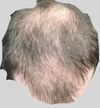
User experienced scalp itching and hair loss, but found relief with oral minoxidil. Others suggest "DHT itch" as a possible cause and recommend finasteride and ketoconazole to address it.
A user with mild psoriasis on the scalp is using finasteride, topical minoxidil, and dermarolling for hair loss but plans to stop minoxidil on the crown due to psoriasis aggravation. Suggestions include switching to a lipid-based minoxidil, using Ketoconazole shampoo, or trying oral minoxidil.
The user has androgenetic alopecia (AGA) and low Vitamin D levels, and they started using topical minoxidil (5%). They are considering finasteride but are concerned about side effects and are advised to seek mental health support.
The user is frustrated with their dermatologist's refusal to prescribe oral Minoxidil and Finasteride for hair loss, despite starting Finasteride recently. They consider discussing oral Minoxidil with their primary care doctor and exploring telehealth options.
The conversation is about concerns and advice regarding microneedling for hair loss, with potential risks like chronic inflammation, scarring, and folliculitis. The user has been using minoxidil, finasteride, and stemoxydine with good results and is considering adding microneedling, with recommendations for using a dermastamp or pen.
The user has been using topical Minoxidil since April 2025 and Finasteride since September 2025, but their bald spot has worsened. They are considering switching to oral Minoxidil and have been advised to be patient, see a dermatologist, and possibly try additional treatments like derma rolling.
A user is experiencing rapid hair loss and has been diagnosed with telogen effluvium by multiple dermatologists, but doubts the diagnosis due to the severity and speed of the hair loss. They are considering various treatments like spironolactone, estradiol, and possibly finasteride, while also exploring the possibility of hormonal imbalances or autoimmune issues.
OP believes RU58841 affected their thyroid, causing hypothyroidism and impacting minoxidil's effectiveness. They plan to start thyroid medication to improve hair regrowth.
Eli Lilly's drug baricitinib showed effectiveness in treating alopecia areata, with higher doses resulting in significant hair regrowth compared to placebo. The treatment is not for male pattern baldness.
The conversation discusses hair loss treatments, focusing on the use of Minoxidil, finasteride, and triamcinolone. Concerns are raised about high concentrations of Minoxidil and the long-term use of corticosteroids.
A user diagnosed with AGA is seeking advice on hair loss treatments, comparing topical Minoxidil, Spironolactone, and Finasteride to oral medications and natural methods like dermastamping, PRP, and LED light. They are concerned about side effects and effectiveness, especially given their existing fatigue.
A 22-year-old experiencing hair loss and persistent scalp itchiness since age 16 has tried various treatments, including finasteride, ketoconazole shampoo, and dietary changes, with no success. Suggestions include consulting a knowledgeable dermatologist, considering seborrheic dermatitis, and trying different shampoos like Selsun Blue or those with selenium sulfide.
The user has been using oral finasteride and minoxidil for hair loss but is considering switching back to topical minoxidil due to persistent scalp issues. Another user suggests an anti-inflammation regimen and oral dutasteride.
The conversation discusses alternatives for hair loss treatment for someone allergic to finasteride, suggesting options like hair systems, topical anti-androgens such as CB-03-01, RU58841, and kx-826. It highlights the challenges faced by individuals allergic to anti-androgen inhibitors and the need for more information on this topic.
Women experienced severe reactions, including Topical Steroid Withdrawal (TSW), from using Winlevi (Clascoterone 1%) on their faces. Concerns were raised about the potential risks of higher concentrations, especially for hair loss treatment.
The user diagnosed with DUPA tried treatments like dutasteride, finasteride, RU58841, and minoxidil without success and is considering a hair system. They hope for a future cure, possibly with PP405, and others suggest options like scalp biopsy and SMP.
After 2 years of using finasteride and minoxidil with good results, the user is experiencing severe scalp itchiness, shedding, and tenderness. Despite dermatologists finding nothing wrong, the user seeks over-the-counter treatments for the itch.
A user shared their hair regrowth success using microneedling with a dermaroller every 6 days and minoxidil, recommending betadine (povidone-iodine) before microneedling to sterilize the scalp and enhance results. Another user noted the potential risks of iodine toxicity.
Hair loss treatments discussed include Minoxidil, Finasteride, and RU58841. HMI-115, a monoclonal antibody drug, is in phase 1 and 2 trials for different conditions, but its availability on the gray market is unlikely due to high production costs.
The user experienced redness and itching from using 5% minoxidil and is considering trying a lower dose or alternative treatments like 2% minoxidil, mesotherapy, PRP, or rosemary oil. They are seeking advice on managing side effects and exploring other options for hair stimulation.
Microneedling combined with tretinoin is discussed for its effectiveness in treating hair loss. Minoxidil, finasteride, and RU58841 are also mentioned as potential treatments.
A user solved their 15-year scalp inflammation and related hair loss using Selenium Sulfide shampoo (Selsun Blue), noticing improvement after the first use and resolution after three uses. Others found relief with Ketoconazole shampoo, which also helps with hair loss.
The user is using Minoxidil, RU58841, CB-03-01, WAY-316606, Ketoconazole, MK-677, and derma stamping to treat hair loss and has noticed new hair growth, especially around the temples and hairline. They apply different treatments at various times of the day and have seen improvements in skin condition and body hair texture.
The user is experiencing diffuse hair thinning despite using dutasteride and minoxidil for over five years and is considering adding oral minoxidil, microneedling, and nizoral to their regimen. They are concerned about the effectiveness and side effects of these treatments, especially with an upcoming event.
A user is starting a microneedling regimen for hair loss, using Derminator 2, ketoconazole shampoo, castor oil, and multivitamins. They plan to provide monthly updates on their progress.
The user is using a hair loss treatment involving dutasteride, minoxidil, finasteride, microneedling, and supplements like multivitamins, D3 K2, and Omega 3 fish oil. They are considering adding tretinoin and are open to suggestions while managing gut issues.
A user was prescribed a topical treatment for hair loss including Latanoprost, Minoxidil, Dutasteride, Hydrocortisone, and Progesterone, after using an oral Minoxidil and Finasteride combo without significant results. Concerns were raised about the long-term use of hydrocortisone, with suggestions to consult a doctor regularly.
The conversation discusses using oral Minoxidil, a vasodilator, for both Raynaud's Syndrome and hair loss. It also inquires about other hair loss treatments that improve blood flow.
Cetirizine 10mg daily reduced hair shedding by 50% and lessened scalp itchiness. The user is considering long-term use for scalp inflammation and hair loss.
The conversation discusses whether oily scalp and sebum can hinder the absorption of topical hair loss treatments like Minoxidil and Finasteride, even when using tretinoin. The user is skeptical about the effectiveness of these treatments due to their oily scalp condition.