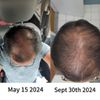
Hairloss treatments discussed include saw palmetto, biotin, minoxidil, and finasteride. Finasteride is emphasized as essential for preventing hairloss.
The conversation discusses hairloss treatments, focusing on reducing scalp itching and dandruff using natural shampoos, witch hazel, and apple cider vinegar. The user also mentions using finasteride and observing potential regrowth, though it's difficult to confirm.
The user is using caffeine shampoo with baicapil, microneedling, massage, and procapil lotion for hairloss. Replies suggest the user is balding and recommend finasteride.
A 22-year-old experiencing hairloss and persistent scalp itchiness since age 16 has tried various treatments, including finasteride, ketoconazole shampoo, and dietary changes, with no success. Suggestions include consulting a knowledgeable dermatologist, considering seborrheic dermatitis, and trying different shampoos like Selsun Blue or those with selenium sulfide.
OP is using 5% minoxidil and a needler to regrow hair after chemotherapy-induced hairloss. Another user mentions using finasteride and topical minoxidil, noting some improvement in hair density.
Vitamin deficiencies, particularly in vitamins A, B, C, D, and minerals like iron, zinc, and copper, can lead to hairloss. Dietary changes, such as eating more nutrient-rich foods, can improve hair health.
Increased hair shedding can occur when starting Finasteride, but it's usually temporary. Adding Minoxidil may help regrow and thicken hair, while vitamins are only beneficial if there's a deficiency.
A 32-year-old male has been dealing with hairloss since 2010 and started treatment 11 months ago. He used dutasteride, finasteride, minoxidil, multivitamins, vitamin D3, PRP, and a laser cap, resulting in improved hair density despite ongoing shedding.
A person treated their diffuse alopecia with oral minoxidil (10mg daily), oral finasteride (reduced to 0.25mg daily due to side effects), castor oil, vitamins, and ashwagandha, and plans a hair transplant in Turkey. They stopped using topical minoxidil, have seen improved hair density, but are still experiencing hairloss.
The individual is experiencing hairloss due to insulin resistance (IR) and is seeking advice. They are currently using a keto diet, supplements, exercise, and plan to add metformin to their regimen.
A blood cancer survivor in remission since 2022 is experiencing thin and patchy hair after chemotherapy and is using Minoxidil without much success. They are seeking personal experiences and advice on hair transplants after cancer treatment.
The user is experiencing significant hair shedding despite using 1.25mg oral minoxidil and 1mg finasteride daily for a year. They are advised to monitor health factors like vitamin levels and heart health, and consider increasing ferritin levels for optimal hair growth.
A 44-year-old is experiencing rapid hair thinning after weight loss, despite using finasteride for two years. They have added minoxidil, vitamins, ketoconazole shampoo, derma stamping, and are considering PRP treatment while slowly introducing dutasteride.
A user's hairloss progress after 4 months of using a topical fin and min mix, with responses from other users about their experience with the same treatments.
The user experienced reduced hair shedding with Ketoconazole shampoo, suggesting it may help with scalp inflammation and hair health. They also use Minoxidil and Finasteride, and suspect food intolerance and stress contribute to their hair issues.
A 26-year-old man with diffuse alopecia is using electric scalp massage, dermastamp, and multivitamins for treatment but is intolerant to finasteride. A dermatologist recommended PRP and mesotherapy with exosomes and dutasteride.
The conversation is about the mental toll of hairloss and seeking alternatives to finasteride. Suggestions include using minoxidil, considering pumpkin seed oil, and possibly seeking counseling for body dysmorphic disorder.
Hairloss treatments discussed include Minoxidil, Finasteride, microneedling, red light therapy, and biotin pills. The most proven treatments are Minoxidil, Finasteride, and microneedling, while other methods are considered less effective or satirical.
A 27-year-old woman is struggling with hairloss, feeling self-conscious and seeking advice on coping. She mentions trying Minoxidil but is hesitant due to scalp issues and is looking for ways to regain confidence.
A user is experiencing hairloss at NW 5 and is using finasteride, which is causing side effects like dry eyes and loss of libido. They are considering continuing with minoxidil and finasteride or opting for a hair transplant, feeling depressed about their situation.
User discusses using Finasteride, Minoxidil, and Microneedling for hairloss. They gradually replaced Finasteride with Dutasteride and stopped using Nizoral shampoo due to shedding.
Hairloss was triggered by a testosterone and Masteron cycle, causing scalp tension and shedding. Topical finasteride, RU58841, and oral minoxidil were used to stop shedding and improve scalp condition.
A person shared their hair regrowth journey using HIMS topical treatments with finasteride, minoxidil, hormone replacement therapy (HRT), and microneedling. They also discussed their transition as a transgender woman and the positive impact of HRT on hair recovery.
A user shared their experience with hairloss treatments, including finasteride, minoxidil, and RU58841, which improved their hair from a diffuse NW3 to a solid NW2 - 2.5. They noticed significant changes in how people treated them after regrowing their hair, suggesting that attractiveness can greatly impact social interactions and opportunities.
A 30-year-old from Mexico shares his 9-month experience using finasteride, ketoconazole shampoo, and minoxidil for hairloss, reporting no major side effects except for hair dryness. He advises using conditioner and coconut oil to minimize hair breakage and encourages others to try these treatments while seeking help if hairloss affects mental health.
Minoxidil and finasteride are being considered for hairloss due to seborrheic dermatitis and male pattern baldness. The user is also using ketoconazole and zinc pyrithione shampoo.
Despite using finasteride, minoxidil, and RU58841, the user is experiencing slow hairloss, particularly at the hairline, and is considering additional treatments like microneedling and possibly switching to dutasteride. Concerns about medication side effects, such as reduced sperm count and performance anxiety, are also discussed.