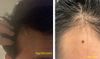
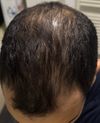
OP is experiencing significant hairloss despite GFC and PRP treatments and has abnormal lab results. They are advised to consult a hair-focused dermatologist for further evaluation.
The conversation discusses hairloss treatments, focusing on the use of topical minoxidil, microneedling, finasteride, and dutasteride, while debating the role of testosterone and DHT in hairloss. It also touches on the potential liver health impacts of these treatments and the genetic sensitivity of hair follicles to androgens.
An 18-year-old experiencing hairloss and seborrheic dermatitis has tried finasteride, dutasteride, and various shampoos without success. They are considering anti-androgens like RU58841 and KX-826 for oil control and dandruff reduction.
User losing hair for 3 years tried shampoos, minoxidil, derma rolling, finasteride, and Adegen's 15% minoxidil protocol without success. Another user suggests lowering finasteride dosage and trying topical non-steroidal anti-androgens like Fluridil, RU58841, and Breezula.
The user shaved their head and noticed some hair regrowth and thickening due to Minoxidil and finasteride. They are content with their hairloss and have accepted it, while also observing that others don't notice the thinning as much as they do.
The user is considering hair restoration options after experiencing side effects from Minoxidil and avoiding Finasteride due to concerns about side effects. They are contemplating trying Finasteride or Dutasteride and possibly undergoing a hair transplant.
The user is experiencing hairloss and is using oral finasteride, considering adding RU58841 and microneedling, and planning a hair transplant. They are seeking advice on whether to wait for treatment results or proceed with the transplant.
A 29-year-old male experienced hairloss and found improvement using a combination of onion hair oil, castor oil, ketoconazole shampoo, and aloe vera gel with vitamin E, while discontinuing minoxidil and finasteride due to side effects. He emphasizes the importance of scalp massage and oiling for hair growth and reduced hair fall.
A user shared 3 months of hairloss progress using topical minoxidil 5%, biotin, and increased protein. The user noted steady improvement and the benefit of progress pictures.
The conversation discusses hairloss treatments, including minoxidil, finasteride, biotin, folic acid, zinc, micro-needling, niacin, and cipaxil, with the user preparing for a hair transplant. The user experiences side effects with topical finasteride and is hesitant to try oral dutasteride.
Low Dose Naltrexone (LDN) may reduce inflammation in alopecia conditions. It is discussed as a potential adjunct treatment with finasteride or dutasteride for androgenic alopecia.
The user experienced hairloss improvement using finasteride, minoxidil, Nizoral, and dermastamping over two years, progressing from a diffuse NW3-3.5 to a thicker NW2.5. They advise starting treatment early, enduring shedding phases, and avoiding excessive time on forums.
A 22-year-old male experienced hair regrowth and improved hair health after using Minoxidil, Finasteride, and microneedling for nine months, with initial shedding but no significant side effects. Users discussed similar experiences with hair styling difficulties and shared tips for managing hair texture and side effects.
The conversation discusses hairloss treatments, with users suggesting the use of finasteride daily, considering minoxidil for aggressive hairloss, and discussing the normalcy of shedding during treatment. Some users recommend adding Nizoral shampoo and switching to dutasteride for better results.
A user has been experiencing hairloss for 4 years, with treatments like minoxidil, finasteride, and various supplements proving ineffective. They were diagnosed with fibrosing alopecia in a pattern distribution, a condition that may require a combination of anti-inflammatory and hair growth treatments.
Understanding that the importance of hairloss should not be overstated and encouraging self-love and confidence regardless of physical appearance. People discussed how they were feeling about their own hairloss and shared tips on treatments like Minoxidil, Finasteride and RU58841.
A 22-year-old male is experiencing hairloss and has been using topical minoxidil and anti-dandruff shampoo for six months without improvement. Suggestions include adding finasteride to the routine and considering treatments for potential scalp issues like seborrheic dermatitis.
The user experienced side effects from oral minoxidil, such as palpitations and insomnia, and switched to topical minoxidil, which led to noticeable hair regrowth, especially at the hairline. They also use finasteride and observed increased hair shedding initially, which later stabilized.
Wellbutrin may cause hairloss, as several users reported increased hair shedding while on the medication, with hair regrowth observed after stopping it. Minoxidil was used by one user to help with hairloss, and turmeric was noted to thicken hair.
A user with diffuse thinning noticed stubble-like hairs on their scalp after using 2% ketoconazole shampoo, dermarolling, castor oil, Vitamin D3, biotin, and iron supplements. They are unsure if this indicates regrowth or miniaturized hairs.
A user is concerned that prolonged use of valisone (betamethasone) and clotrimazole solution for scalp dermatitis may be causing hair thinning and loss. They noticed thinning in the area where the solution was applied.
The conversation discusses scalp itching and tenderness after microneedling, despite using medicated shampoos and proper sanitation. The user plans to see a dermatologist and is concerned about possible infection or allergic reaction.
A 68-year-old is experiencing increased hairloss despite using Minoxidil and is seeking alternative treatments. Suggestions include considering finasteride or RU58841 as potential options.
A trans woman experiencing male pattern baldness has been using Minoxidil and microneedling for 3.5 months, noticing visible hair regrowth. Despite initial skepticism, progress is evident, though a hair transplant might be needed for fuller coverage.
A 21-year-old experiencing itchy and burning scalp with hairloss was diagnosed with MPB and scalp inflammation. They were prescribed Ketoconazole, Prednisone, Clindamycin, and Finasteride, and are considering trying antihistamines, dietary changes, and "nopoo" to alleviate symptoms.
A user's scalp issue that may be causing their hairloss and potential treatments, such as salicylic acid, finasteride, minoxidil, ketoconazole shampoo, and visiting a dermatologist.
A user is experiencing severe hairloss and dandruff, trying various treatments including Minoxidil, Nizoral 2% Ketoconazole, Neutrogena T/Gel, coconut oil, baby shampoo, apple cider vinegar, aloe vera gel, and tea tree oil. They believe the issue is not genetic and are seeking advice and solutions.