RU58841 may pose cancer risks due to its antiandrogen properties and lack of long-term safety data. Using it is considered a high-risk experiment with unknown potential for harm.
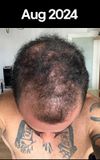
The user has been dealing with hair loss for six years using minoxidil, finasteride, and dutasteride without success. They are contemplating shaving their head due to continued hair loss and social anxiety.
The conversation discusses a hair loss and scalp care routine involving ciclopirox shampoo, benzoyl peroxide, clindamycin gel, clobetasol propionate, and calcipotriol to manage seborrheic dermatitis, folliculitis, and inflammation. It also touches on the role of diet and other treatments like oral minoxidil and pioglitazone for scalp health.
AI advancements, like AlphaFold, are speeding up drug discovery for hair loss, promising more effective treatments. Current options like minoxidil and finasteride have limitations, but new developments could improve solutions in 5-10 years.
The user reported significant hair regrowth progress using oral minoxidil 3mg and dutasteride daily since November. Others shared mixed experiences with treatments like finasteride, minoxidil, and dermarolling, with some seeing no progress or continued hair loss.
The user was rejected from participating in a clinical trial for an extended-release oral Minoxidil due to having rheumatoid arthritis, despite initially being accepted. They had stopped using Dutasteride and Minoxidil to qualify but continued using other treatments like RU58841 and red light therapy.
A 23-year-old male experienced hair thinning and side effects from finasteride and minoxidil. He found improvement in hair health and other symptoms by using mouth tape at night, suggesting better oxygen intake might help with hair loss.
A user humorously suggests an extreme hair loss treatment regimen involving multiple medications and therapies, including Dutasteride, Minoxidil, RU58841, and others, claiming it would prevent hair loss but with potential side effects like gynecomastia. The conversation highlights concerns about safety, side effects, and the effectiveness of such a comprehensive approach.
Men with hair loss might have lichen planopilaris (LPP), which can mimic androgenetic alopecia, leading to misdiagnosis and ineffective treatment with finasteride or dutasteride. Proper diagnosis, including biopsies, is crucial to distinguish between androgenetic alopecia and conditions like LPP.
A 25-year-old is frustrated with hair loss and inability to grow facial hair despite using oral finasteride and minoxidil for over a year. Suggestions include trying topical treatments, considering a hair system, or seeking professional help for mental health.
Dutasteride at 2.5 mg/day reduces scalp DHT by 80%, while 0.5 mg/day reduces it by 50%, with minimal difference in side effects. Users often combine it with finasteride, RU58841, and minoxidil for better hair loss management, though side effects like dry skin and pimples are noted.
The user experienced hair shedding after using finasteride and topical minoxidil since August 2024, and briefly adding oral minoxidil in early 2025. They suspect the shedding might be due to the oral minoxidil, a bad batch of finasteride, or a normal shedding cycle, and are also experiencing an itchy scalp and acne.
Use minoxidil and finasteride for 1-2 years to promote regrowth and stabilize hair loss before a transplant. Long-term use of these medications is needed to maintain results and prevent further loss.
Hair transplants for NW7 individuals are challenging due to limited donor hair, often resulting in thin coverage unless body or beard hair is used. Treatments like minoxidil and finasteride are mentioned to support hair density and growth.
Concerns about the potential systemic effects and safety of PP405 for hair loss, with discussions on its comparison to existing treatments like finasteride and minoxidil. Users express skepticism about untested research chemicals and emphasize the importance of clinical trials to ensure safety and efficacy.
The user started using minoxidil and finasteride for hair loss treatment six months ago, with some improvement in mental health and manageable side effects. They are considering switching minoxidil brands due to dissatisfaction and are focusing on stress management and lifestyle changes to improve scalp health.
The user is experiencing hair loss and confusion over conflicting medical advice, with treatments including minoxidil, finasteride, and topical corticosteroids. They are unsure about the necessity of a biopsy and the timing of using minoxidil, while also considering the impact of potential androgenetic alopecia and telogen effluvium.
DUPA is considered more treatable than FAPD, as FAPD involves scarring that prevents hair regrowth. The user has started treatment with oral dutasteride and minoxidil, hoping for better results than previous treatments.
A 33-year-old female with androgenic alopecia experienced alopecia areata patches after PRP treatment. She is seeking others' experiences with PRP worsening alopecia areata.
Hair regrowth from treatments like minoxidil, RU58841, and finasteride is not permanent; stopping these treatments typically results in hair loss resuming. Beard hair can become permanent with minoxidil use, unlike scalp hair, which requires ongoing treatment to maintain gains.
Hair loss without a white bulb may indicate mechanical damage, anagen effluvium, alopecia areata, or traction alopecia. Seeking a specialist is recommended, but access can be difficult in smaller areas.
The regimen for hair loss includes topical finasteride, clascoterone, tretinoin, minoxidil, oral saw palmetto, beta-sitosterol, vitamin D, microneedling, and anti-fungal shampoo. Expected benefits are increased hair growth and density, with considerations for potential skin irritation and interactions between treatments.
The conversation discusses hair loss treatments for a 30-year-old female, comparing red light therapy with minoxidil and finasteride. Concerns about hormonal impact and potential pregnancy are raised, with suggestions to consider spironolactone and microneedling, while emphasizing the importance of consulting a dermatologist.
Taking CoQ10 and fish oil supplements may lead to increased body hair growth and a crawling sensation on the scalp and skin. The user suspects these supplements could be linked to hair growth, possibly due to their effects on heart health and cholesterol management.
The user "OP" is frustrated with hair loss despite using oral minoxidil, topical finasteride, and oral dutasteride. Other users suggest keto shampoo, lifestyle changes, and low light laser therapy.
A user shared a video suggesting that 0.5mm microneedles are most effective for hair growth. Other users mentioned different microneedle lengths and advised consulting a dermatologist for personalized treatment.
A user reported a 50% increase in testosterone after 18 months of taking dutasteride for hair loss. The conversation includes skepticism about the reliability of single testosterone tests and questions about estrogen levels.
A user is considering using RU58841 for female pattern baldness and is also planning to use Minoxidil. They are hesitant to ask their doctor for spironolactone due to its cosmetic nature and are experiencing significant hair loss possibly due to stress and hormonal issues.
Finasteride, minoxidil, and derma rolling are currently the best treatments for hair loss. New treatments like TDM-105795, GT20029, PP405, HMI 115, Tsuji, Scube 3, RU, JW0061, Topilutamide, and verteporfin show promise but have uncertain timelines.