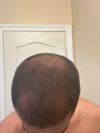
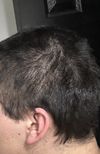
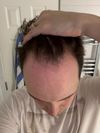
The user shared progress pictures showing hairloss improvement after using finasteride for about a year and plans to get a hair transplant in May, while also considering adding minoxidil to their treatment. They also mentioned using Nizoral and Neutrogena for dandruff, which may be related to the hairloss treatment.
A 21-year-old male with advanced hairloss (NW7) started using finasteride and minoxidil 10 months ago but hasn't seen much progress. He is pre-diabetic with stage 1 hypertension and is seeking insights on whether treating these conditions could improve hair regrowth.
The conversation discusses a hairloss protocol and compares it to using finasteride and minoxidil. It suggests that while the protocol includes some good advice, it may not surpass the effectiveness of established treatments like finasteride and minoxidil.
User frustrated with lack of results from finasteride and minoxidil for hairloss. Others suggest checking for other health issues, focusing on fitness, and considering alternative treatments.
The user has been experiencing hairloss since their teens, is now 30 years old, and is considering using a combination of finasteride, minoxidil, and derma rolling as a last effort to combat hairloss after trying other treatments like Regaine and caffeine shampoos with limited success. They are seeking advice on how to start this treatment and where to purchase the products in the UK.
The user is experiencing hairloss and is considering using finasteride again, along with ketoconazole shampoo and curl cream, to manage their long hair. They are concerned about the appearance of new hair growth and the potential shedding phase from minoxidil.
Insulin resistance may increase DHT production, contributing to hairloss, and addressing it through diet, nutrients, and natural DHT blockers like saw palmetto and pumpkin seed oil could help reverse hairloss. Some users prefer medications like finasteride for more effective results.
The user experienced new hair growth after switching from oral finasteride to topical RU58841 with minoxidil and undergoing stem cell therapy. They noticed new hairs at the hairline and temples, but are unsure which treatment is responsible.
A 21-year-old male diagnosed with telogen effluvium and male pattern baldness started oral finasteride, which initially slowed hairloss and slightly thickened hair, but experienced increased shedding after surgery. The doctor recommended iron and vitamin D supplements, and the user is seeking additional advice.
Users discuss using pyrilutamide for hairloss, seeking alternatives to 5AR inhibitors. They mention using minoxidil, ketoconazole shampoo, and RU58841.
Hairloss treatments still rely heavily on minoxidil, finasteride, and RU58841, with little innovation. Future treatments like stem cell therapy and RNA technology show promise but are not yet available.
An 18-year-old male experiencing hair thinning and loss is using oral minoxidil, topical minoxidil, finasteride, and a multivitamin as prescribed by a dermatologist. He's having difficulty applying the topical minoxidil effectively due to his hair length, as he feels a lot of it stays on his hair instead of reaching the scalp.
A 27-year-old woman is struggling with hairloss, feeling self-conscious and seeking advice on coping. She mentions trying Minoxidil but is hesitant due to scalp issues and is looking for ways to regain confidence.
The user noticed small circular hairless spots after a buzz cut and has been using finasteride, dutasteride, and oral minoxidil for hairloss. They are experiencing continuous shedding and thinning, and it is suggested they consult a dermatologist for a scalp examination and possible biopsy to determine if it's alopecia areata or androgenetic alopecia.
A 22-year-old is experiencing hairloss, particularly fuzzy hair in the front, and is concerned about male pattern baldness. Treatments mentioned include Propecia (finasteride), minoxidil, PRP treatments, dermarolling, peppermint oil, and apple cider vinegar.
The conversation discusses the potential link between gut health and hairloss, with personal experiences of hair thinning and stomach issues shared. Some individuals found no success with common hairloss treatments like Minoxidil and Finasteride and are exploring the impact of gut health on hair growth.
A new hairloss treatment, PP405, is moving from phase 2A to 2B in clinical trials, sparking discussions about its potential to regrow dormant hairs and its impact on existing treatments like Minoxidil and finasteride. Some users express skepticism, while others are hopeful about its future effectiveness.
User experiences slow hair regrowth despite using finasteride, topical minoxidil, and supplements like biotin, zinc, and collagen. They seek advice on addressing overall slow hair regrowth.
The user has been experiencing worsening hairloss despite using finasteride, minoxidil, and later switching to dutasteride. Despite normal bloodwork and consulting dermatologists, the hairloss continues without improvement.
The user started taking finasteride 1.5 years ago with some success in stopping hairloss but no regrowth, and is now experiencing increased hairloss after a recent operation, questioning if the medication stopped working or if the hairloss is temporary. They are considering switching to a different treatment and seeking advice.
A 36-year-old is concerned about early hairline recession despite no family history of hairloss. They are considering treatments like finasteride, minoxidil, and ketoconazole shampoo but are worried about potential side effects and are seeking natural alternatives.
The conversation discusses using oral Minoxidil, topical Minoxidil with RU58841, Finasteride, and serioxyl for hairloss. It also asks for opinions on the effectiveness of other treatments like Setipiprant, Dutasteride, and Spironolactone, and thoughts on HMI-115 and GT20029 trials.
The user noticed hair thinning since age 15, initially attributed to a Vitamin D deficiency. They are currently using Rogaine and considering Propecia but are hesitant about a scalp biopsy; they seek financially practical treatments for male-pattern baldness.
Low testosterone and estradiol may contribute to hairloss, and blocking DHT without sufficient hormone levels might hinder regrowth. The discussion highlights the importance of hormone balance, with some considering supplements and lifestyle changes to support hair health.
The user experienced aggressive hairloss despite using oral finasteride and minoxidil, with additional issues like dandruff and eyebrow hairloss. They are considering switching to oral minoxidil and dutasteride due to scalp inflammation and lack of improvement.
Cutting sugar may not significantly impact hairloss, as DHT and androgen receptors are the main issues. Effective treatments include finasteride, dutasteride, RU58841, and minoxidil, often combined with microneedling.