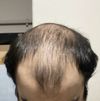
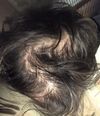
A user diagnosed with Crohn's disease is concerned it might contribute to balding. They have been using keto shampoo, finasteride, and oral minoxidil, which improved their hair but not significantly.
The user experienced significant hair regrowth using 1mg finasteride every other day and 1ml topical minoxidil daily, with initial shedding but improvement by three months. Microneedling was also used, with adjustments to frequency and needle length for better results.
A 25-year-old shared their 3-month progress using a combination of 1mg finasteride and 5% minoxidil for hair loss. The images show noticeable improvement in hair density.
User shared 9-month progress with finasteride and microneedling, and 2-year progress with minoxidil for hair loss. Others asked about microneedling tools, routine, and suggested micro fibers for improvement.
The user improved diffuse thinning without finasteride by using minoxidil foam, cold showers, gentle hair drying, 2% ketoconazole, sulfate-free tea tree oil shampoo, dermastamping, and supplements like Omega-3, Vitamin-D, Biotin, Keratin, Collagen, B3, Zinc, and Magnesium. The regimen was followed for about six months under dermatologist guidance.
Hair loss treatments discussed include Minoxidil, Finasteride, RU58841, ass hair transplant, topical Viagra, castration, and transitioning to female. A user mentions an experimental drug called M4U-5 (Mousteride) that turns you into a mouse.
The user has been using finasteride for six months to address hair loss and is considering adding minoxidil to improve hair thickness. They are also using microneedling, peppermint oil, saw palmetto, biotin, and vitamin D supplements.
P-1075 is a more potent hair growth agent than Minoxidil, but it poses significant heart risks, making it unsafe for use. Despite promising results in macaques, concerns about its cardiotoxicity in rats have halted its development.
A 25-year-old is experiencing chronic telogen effluvium (TE) and androgenetic alopecia (AGA) after surgery, using finasteride, red light therapy, and supplements, and considering oral minoxidil despite heart concerns. They are unsure whether to start minoxidil before or after an upcoming surgery, which may trigger another hair shed.
A user who has had positive results from using a regimen of microneedling, finasteride, minoxidil, peppermint oil, keto shampoo and DHT organic shampoo for hair growth. The conversation also addressed whether to use .5mg or 1mg of finasteride and the difference between dermapens and rollers.
The conversation humorously discusses hair loss treatments, specifically mentioning microneedling, Minoxidil, finasteride, and RU58841. Users joke about using a new microneedling tool to combat hair loss.
A user shared impressive hair growth results after 77 days using oral finasteride, topical minoxidil, and weekly microneedling. They reported thicker, darker hair and minimal shedding, with treatment costs around 30 euros per month.
The conversation is about the potential impact of RU58841 on male fertility, specifically regarding sperm concentration, total count, and motility. The user is curious about the likelihood of RU58841 reducing fertility based on its mechanism of action and comparisons to similar substances.
A 35-year-old with alopecia areata has tried finasteride, topical and oral minoxidil, and dutasteride without success in stopping hair loss. The dermatologist suggests JAK inhibitors, but they are too costly, leading to uncertainty about the cause of hair loss.
The conversation discusses using tretinoin as an additional treatment for hair loss alongside minoxidil, with plans to test its effectiveness by applying it to only one side of the scalp. The user intends to start this experiment after using minoxidil for a year.
A human trial involving the use of Verteporfin as a treatment for hair loss, which has been ongoing for 119 days with an update on its progress. Treatments such as Minoxidil, Finasteride and RU58841 have also been discussed.
Minoxidil may cause wrinkles and dark circles, which some users report can be mitigated by adjusting dosage. Reactions vary, and while some dismiss these side effects, others experience significant changes.
The user has seen improvement in their hair loss after 6.5 months on finasteride, 8 months on Minoxidil and RU58841, and using Nizoral twice a week. Commenters suggest adding microneedling to the treatment regimen for potentially better results.
The user started on Finasteride, switched to Dutasteride, and is considering microneedling but was advised against it by their hair surgeon due to potential scalp issues affecting a planned hair transplant. Other users suggest alternatives like Minoxidil, PRP, and avoiding microneedling due to the risk of scar tissue impacting transplant results.
Intense microneedling with heavy pressure and bleeding did not improve hair growth after 4 months. The user advises against this method, noting no benefits and potential harm, and mentions using minoxidil without success.
The user has used minoxidil for five years and added microneedling for four weeks without seeing results. They are considering a hair transplant but are advised that hair loss will persist without a DHT blocker.
The conversation is about a user unsure if their dermatologist-prescribed treatment is Minoxidil and concerned about its safety for cats. The treatments discussed include Minoxidil, finasteride, and RU58841.
A user started treating hair loss at 55 using 0.5 mg finasteride, 5% minoxidil every second day, and microneedling. They saw noticeable improvement, especially in the front and a previously smooth bald spot.
Microneedling combined with minoxidil is more effective for hair growth than microneedling alone. Optimal results are seen with weekly microneedling using 0.5 - 1mm needles and regular minoxidil application, avoiding minoxidil on the needled area for 24 hours.
A 29-year-old man experienced significant hair thickening at the front and top after using finasteride and microneedling for two months, as noticed by his hairdresser. He used 0.5 mg/day of finasteride orally, switched to a topical solution, and performed microneedling with a Derminator2 every 6-7 days.
User deciding between oral and topical minoxidil, concerned about hypertrichosis and myocarditis interaction. They're using topical finasteride, LLLT, natural oils, dermastamping, and scalp massage, and considering adding oral minoxidil.
The user shared their 3-month progress using 5% topical minoxidil and microneedling with a 1mm dermaroller, noting significant hair growth without using finasteride. They applied minoxidil twice daily and used the dermaroller three times a week, experiencing a short shedding phase after 2-3 weeks.
A 30-year-old shared their successful hair restoration journey using liposomal topical finasteride and minoxidil, vitamins, and a second hair transplant in Greece, which significantly improved their hair density without side effects. The transplant cost $7500 and involved filling an old scar, with the user expressing gratitude for the life-changing results.
A user shared their successful hair regrowth journey using 1mg finasteride daily, 1ml minoxidil nightly, and weekly 1.5mm microneedling. They reported some side effects like reduced semen thickness but are satisfied with the results and recommend topical minoxidil over oral.