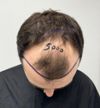
A 23-year-old male is experiencing diffuse hair loss and miniaturization, possibly due to high IGE levels after using tofacitinib. He seeks advice and has not yet consulted a dermatologist.
The conversation discusses using GFM Gel, a topical gel with polypeptides that mimic growth factors to promote hair regrowth and strengthen hair. It also mentions treatments like Minoxidil, finasteride, and RU58841 for hair loss.
TGF-B affects hair growth, both causing stem cell division and death depending on amounts. Amplifica's treatment injects Scube3 to increase TGF-B for hair growth.
IGFBP‐rP1 shows potential for treating androgenic alopecia by influencing hair cycle transitions. Increasing IGF-1 levels may have similar effects to Minoxidil and 5-AR inhibitors in reducing hair loss.
Rating treatments for hair loss, with the help of GPT-4, according to efficacy, evidence and tolerability; a combination of chemicals from research papers, custom compounds, and some suggestions from other users were included.
A user reported significant hair improvement using ginseng oil along with Minoxidil, finasteride, RU58841, and microneedling, leading them to cancel a hair transplant. Other users requested more details and proof.
OP noticed fuller and thicker hair after almost 4 months of using GHK-Cu, a copper-binding peptide, through subcutaneous injections. Some users were skeptical, questioning the authenticity and potential commercial intent behind the post.
A woman with AGA is using spironolactone, dutasteride, finasteride, oral minoxidil, bicalutamide, and anti-androgenic birth control but still experiences worsening hair loss. Steroid shots temporarily stop her hair shedding, leading her to question her biopsy results.
A user shared their 4-month hair transplant progress with 3740 grafts, showing before and after pictures. They had a generally good experience, except for the anesthesia part.
Eli Lilly's drug baricitinib showed effectiveness in treating alopecia areata, with higher doses resulting in significant hair regrowth compared to placebo. The treatment is not for male pattern baldness.
The conversation discusses potential hair loss treatments focusing on stimulating IGF-1 at the follicle level using growth-factor cocktails and engineered peptides, such as Acetyl Tetrapeptide-3, Copper Tripeptide-1, Oligopeptide-20, Thymosin-β4, and Palmitoyl Tetrapeptide-7. It suggests that device-assisted delivery methods like microneedling may enhance effectiveness.
OP is experiencing significant hair loss despite GFC and PRP treatments and has abnormal lab results. They are advised to consult a hair-focused dermatologist for further evaluation.
A user shared impressive progress at 4 months post-hair transplant with 5120 grafts by Dr. Ahmet Yildirim in Istanbul. The user expressed satisfaction with the results, which exceeded expectations.
The user is experiencing irritation from using PG with RU58841 and is seeking alternative solutions like K&B in the UK. They report redness, itchiness, and flaky skin from the current treatment.
After nearly four months on finasteride, a user noticed improved hair quality but developed nipple puffiness, suggesting early signs of gynecomastia. They considered switching to other treatments like CB-03-01 or RU58841 and contemplated consulting an endocrinologist about aromatase inhibitors.
A user applied the 8T3 product for hair loss, targeting LPP and AGA, and plans to update on its effectiveness. The product uses a saline buffered phosphate vehicle, suitable for those intolerant to ethanolic vehicles.
The conversation is about finding a solution for scalp inflammation related to AGA, with the user expressing frustration that Minoxidil and Finasteride do not address inflammation. The user has researched glucocorticoids and topical NSAIDs for reducing inflammation and seeks advice from specialists.
RU58841 in glycerin may cause less irritation than in PG form, but its effectiveness might be reduced. Users discuss the potential trade-off between irritation and efficacy.
CRISPR treatments for blood disorders have been approved, leading to discussions about its potential for treating hair loss (AGA). A study showed that editing a gene related to DHT sensitivity could lead to hair regrowth, suggesting CRISPR may eventually be used for AGA, but it's expected to be expensive and not soon available.
A dermatologist recommended PRP (Platelet Rich Plasma) and GFC (Growth Factor Concentrate) for pattern baldness, but online sources suggest they may not be effective. The user is seeking opinions on these treatments.
Actifolic RU-58841 powder and GhK-Cu peptide were tested and found to be accurate. The user is satisfied with the product's authenticity for hair loss treatment.
Pelage Pharmaceuticals raised $120M for their hair loss treatment, PP405, showing strong investor confidence despite limited data. There is skepticism about its efficacy and long-term effects compared to treatments like GT20029.
GHK-Cu is discussed for hair loss treatment, with some users reporting positive results using a 4% topical serum, but concerns exist about the long-term safety of oral or injectable forms. The original poster also uses finasteride and plans to start dutasteride.
People are discussing the use of the peptide GHK-Cu for hair and skin, with mixed results. Some users have tried it alongside other treatments like adenosine and melatonin, but have not seen significant improvements, and one user stopped due to cost.
Whey protein isolate may worsen androgenetic alopecia (AGA) due to its potential to increase DHT levels, but finasteride use has helped maintain hair. Some users suggest avoiding protein supplements due to possible contaminants and additives that could affect hair health.
GHK-Cu is a potent inhibitor of the type 1 5-alpha reductase enzyme in hair follicles, which may reduce hair loss without the side effects associated with type 2 5-alpha reductase inhibitors. The user previously experienced side effects with 5-alpha reductase inhibitors and is considering GHK-Cu as an alternative.
The user shared progress 128 days after a DHI hair transplant with 4261 grafts, using Finasteride, Minoxidil, Cutihance Men tablets, Omega-3, Vitamin D3 with K2, and one session of GFC PRP. They seek feedback on their progress compared to others' experiences.
PP405, a potential hair loss treatment, is facing delays in releasing Phase 2 results, causing frustration among users who compare it to past failed treatments. Despite skepticism, some remain hopeful about PP405's future, while others discuss alternative treatments like Clascoterone and its expected market release.