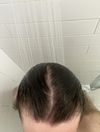
An 18-year-old experiencing hair loss and seborrheic dermatitis has tried finasteride, dutasteride, and various shampoos without success. They are considering anti-androgens like RU58841 and KX-826 for oil control and dandruff reduction.
Hair transplant recipients are concerned about whether dormant follicles are permanently damaged by incisions, but some believe undamaged follicles could still regrow if a treatment like PP405 is effective. Opinions vary on the impact of transplants on original follicles, with some suggesting treatments like finasteride can help regrow hair.
The conversation discusses the effectiveness of Exosomes as a hair loss treatment. A user recalls a doctor on Youtube showcasing successful results from using Exosomes.
Kintor is testing Pyrilutamide with Minoxidil for hair loss. Users are skeptical about its effectiveness and concerned about limited treatment options if this fails.
A dermatologist advised stopping minoxidil and trying redensyl serum, while also starting finasteride. Concerns were raised about increased hair loss after stopping minoxidil.
The user applies a topical solution containing minoxidil, finasteride, dutasteride, retinoic acid, and hydrocortisone to address scalp inflammation and is considering adding cetirizine to the mix. They are calculating the correct amount of cetirizine to add to their formula and have paused this approach to retry oral minoxidil.
Keratin microspheres may offer additional mechanisms to combat hair loss compared to minoxidil. The process to create these microspheres is relatively simple and can be done at home with basic equipment.
The user "natiggiz" shared their early progress in filling in bald patches using topical finasteride, minoxidil, RU58841, ketoconazole, and derma stamp. Other users commented on the great results and expressed jealousy.
Tea tree oil shampoo resolved redness, itching, and increased hair thickness for the user, suggesting demodex mites as a possible cause. Nizoral was ineffective, but tea tree oil showed significant improvement over several months.
The post is about a user starting a hair loss treatment using finasteride, micro needling, and nizoral. The conversation includes supportive replies from other users.
The user has been using a combination of 0.3% topical finasteride, minoxidil, ketoconazole, and microneedling once a week for two months with positive results and no side effects. They apply the treatment daily using a spray and have short hair, which makes application easier.
A 28-year-old user shared their positive experience with hair loss treatment using 1mg oral finasteride daily, topical minoxidil nightly, and weekly dermapen sessions. They reported increased confidence despite minor side effects like dandruff and gray hair.
User obsessed with hair loss prevention shares collection of treatments, including oral and topical finasteride, minoxidil, dermapen, and more. Others suggest adding RU58841, laser helmet, and PRP, while some advise dropping certain treatments for long-term manageability.
Switching from liquid to foam Minoxidil to avoid scalp irritation, with a method to melt the foam for easier application. Users discuss alternatives and personal experiences with Minoxidil, including issues with propylene glycol and different application methods.
Kintor Pharma has finished enrolling the first patient in a Phase III trial for KX-826, a treatment for androgenetic alopecia (AGA). One user has set a reminder to check back on the topic in a year.
New product Tomorrowlabs HSF targets hair loss through HIF pathway indirectly by removing scalp iron. Minoxidil and Stemoxydine also relate to HIF pathway.
A 28 year old using a hair loss prevention protocol to restore thinning hair, which includes finasteride, dutasteride, minoxidil, stemoxydine, alopecin, nizoral shampoo and microneedling; the user is now adding pyrilutamide solution to the regimen with the hope of improving their results. RU58841 was also ordered but not yet used.
Hope Medicine's HMI-115 is expected to be released in 2027, with phase 3 trials currently recruiting. Concerns include the safety of targeting prolactin and the potential cost of the treatment.
Veradermics' phase 2 trial of slow-release oral minoxidil shows promising hair regrowth with minimized side effects, gaining significant attention and funding. PP405 is also noted for its potential as a side-effect-free alternative.
A 27-year-old male experienced hair loss and dermatitis, which improved with tea tree oil and neem extract. He is considering using a 2% Ketoconazole solution for further treatment.
A bodybuilder discusses homebrewing Minoxidil and RU58841 using propylene glycol or MCT. They inquire about the feasibility and potential risks of these methods.
A user found a successful hair loss treatment using a combination of finasteride, dutasteride, minoxidil, and RU58841. They plan to switch to a purely topical regimen with finasteride, RU58841, and minoxidil.
A user experimenting with quitting using Minoxidil and replacing it with Finasteride and Stemoxydine in order to keep hair loss gains, but other users warning the original poster of potential shedding. Another user suggested phasing out Minoxidil and replacing it with Finasteride and microneedling instead.
Exploring the potential of using verteporfin during hair transplants to minimize scarring and regenerate follicles, as well as discussing a possible standardized protocol for this treatment.
A user needs to stop finasteride for 7 days to donate blood due to haemochromatosis. They are concerned if this break will affect their hair loss progress after 6 weeks of use.
The conversation is about the use of microneedling, specifically with a derma stamp, for hair regrowth. Users discuss their experiences, pain levels, and the satisfaction of taking control over hair loss, with some mentioning the use of Minoxidil to enhance results.
Hair/scalp cloning for unlimited transplants is likely a decade away, with prior transplants not significantly affecting future options. Advances in AI and research in wound-induced hair neogenesis are promising, but infrastructure and technology constraints remain challenges.