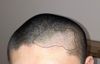
PP405, a topical LDH inhibitor, has shown to stimulate hair follicle stem cell proliferation in humans with moderate hair loss. They are advancing to more detailed trials this year.
A 24-year-old tried minoxidil, finasteride, keto shampoo, and derma-rolling for hair loss but saw no improvement and is now at Norwood 5. They feel there's nothing more they can do and are considering going bald despite not liking the look.
The conversation discusses an ideal diet for promoting hair health, emphasizing biotin, collagen, vitamins C and E, zinc, selenium, anti-inflammatory foods, and blood circulation. It also mentions using finasteride, minoxidil, and dermarolling for hair regrowth.
The user experienced hair regrowth with oral minoxidil and finasteride but faced aggressive hair loss after developing IBS, questioning if the condition affects medication absorption. They are considering switching to topical treatments.
Topical tretinoin can increase the absorption of minoxidil by three times, which may enhance its effectiveness for hair loss treatment. Tretinoin causes increased skin turnover, making the skin more permeable and potentially improving minoxidil's efficacy.
Minoxidil's effectiveness varies due to genetic differences in the SULT1A1 enzyme, affecting how well it converts to its active form, minoxidil sulfate. Hyper-responders may experience rapid hair growth and increased side effects, such as pericardial effusion, even at low doses.
PP405 shows promise for hair regrowth by manipulating stem cell characteristics and lactate dehydrogenase, with Phase 2a trials pending. Google Ventures' $15M investment suggests confidence, but results and market availability remain uncertain.
DLQ01, a prostaglandin F2α analog, shows promise for hair growth by directly stimulating PGE2/PGF receptors without needing conversion, and can be combined with minoxidil and retinoids like tretinoin for enhanced effectiveness. Minoxidil's efficacy may be reduced by COX-1 inhibitors, but using prostaglandin analogs like Latanoprost or Bimatoprost can help maintain its effectiveness.
GHK-Cu is discussed as a potential hair loss treatment, with claims of promoting hair growth and possibly reversing gray hair, though strong clinical evidence is limited. The user also mentions using Minoxidil, red light therapy, and microneedling.
A 20-year-old with thinning hair has low vitamin D and normal testosterone. They are prescribed oral minoxidil and vitamin D, and are questioning if finasteride is also necessary.
The user's hair appears to have improved, looking thicker and healthier, especially around the temples, after using topical minoxidil, finasteride, dutasteride, and tretinoin. Most participants agree the last picture shows significant improvement, though one disagrees.
A dermatologist checked for hereditary hair loss using blood tests and plans to perform a trichogram. The user had slightly low Vitamin D3 levels, and the trichogram may help confirm androgenetic alopecia.
Microneedling's long-term effects on hair loss are uncertain, with concerns about scarring and the need for continued use of minoxidil and finasteride to maintain gains. Finasteride does not sustain minoxidil-regrown hair without ongoing minoxidil use, and microneedling alone shows limited evidence of effectiveness.
A user is concerned about weight loss stagnation while using minoxidil and finasteride during a calorie-cutting diet. Responses suggest water retention or a weight loss plateau as possible causes.
The user is concerned about having a straight, low hairline after a hair transplant and is unable to take finasteride due to high estrogen and prolactin levels. They have used minoxidil with limited success and are considering further transplants to lower the hairline, while others suggest the risks of using up donor hair too quickly.
The user is concerned about high DHT levels despite using finasteride and dutasteride for hair loss, suggesting these treatments may not be effective. They plan to consult an endocrinologist and consider other antiandrogens, acknowledging potential side effects.
A user is seeking advice on mixing GHK-cu/AHK-cu with minoxidil for hair loss treatment. They are asking for recommendations on the correct mixing ratios and any experiences with copper peptides.
The user started using finasteride, minoxidil, and biotin for hair loss and believes they are a hyper responder, noticing significant changes in hair thickness. They regret not starting earlier and mention using oral minoxidil.
A 24-year-old woman with AGA and TE since age 14 is questioning if her hair is regrowing or breaking. She has been using minoxidil consistently since September 2025, along with caffeine and ketoconazole shampoos, rosemary oil, and saw palmetto, and has improved her overall hair care routine.
The conversation discusses the effectiveness of finasteride and microneedling for treating hair loss. The linked article is seen as an advertisement for these treatments.
The user is experiencing one-sided diffuse thinning and has been using finasteride and liquid minoxidil for 4-5 years with minimal results. They are considering whether to save for a hair transplant or address scalp sensitivity and irritation first.
HMI 115 did not work as expected for hair regrowth in humans, unlike in macaque monkeys. There is anticipation for further research on prolactin's role in hair loss, with expectations that pharmaceutical companies will likely solve this before universities.
A 19-year-old diagnosed with AGA was refused finasteride by a dermatologist who cited fertility concerns and prescribed minoxidil, vitamins, and shampoos instead. The user is unsure about using minoxidil and considers finding another dermatologist.
A 26-year-old male with high testosterone is experiencing diffuse hair thinning despite using a comprehensive treatment regimen including dutasteride, oral minoxidil, RU58841, ketoconazole shampoo, microneedling, and low-level laser therapy. Suggestions include adjusting dutasteride dosage, monitoring iron levels, and consulting a dermatologist for further evaluation.
A user proposed genetically engineering scalp stem cells to stop androgen receptors from causing hair loss. Others discussed the feasibility, existing research, and potential issues with this approach, including targeting the correct cells and unintended effects.
Minoxidil may improve or worsen skin quality, with topical forms causing dryness and wrinkles, possibly due to alcohol content, while oral forms have fewer side effects. Some users consider using tretinoin to mitigate negative effects.
Hair loss can be influenced by nutritional deficiencies, particularly low Vitamin D and fatty liver, and improving nutrition and lifestyle can strengthen hair. Treatments suggested include regular exercise, a balanced diet, vitamin supplements, and coconut oil massages, while acknowledging that hereditary factors may also play a role.
The conversation discusses whether drinking coffee affects the hair growth benefits of Minoxidil, with one user mentioning that Minoxidil's vasodilation is stronger than caffeine's vasoconstriction, and another sharing personal experience of better hair growth after quitting caffeine while on Minoxidil.
Amino acids like lysine, methionine, and cysteine may help with androgenetic alopecia when taken in high doses along with a DHT blocker. Users discuss combining these with treatments like Minoxidil, finasteride, and RU58841.
Microneedling's effectiveness for hair growth is debated, with some suggesting it enhances minoxidil absorption, but evidence is inconclusive. Concerns exist about its impact on hair transplants, and opinions vary on its use with other treatments like RU58841 and stemoxydine.