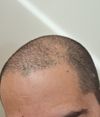
User shares one-year hair transplant results with 3633 FUE grafts. Responses discuss improved appearance, hairline looking pluggy, and doctor's location in Ottawa, Canada.
A user shared their experience 36 days after a hair transplant of 5500 grafts in Delhi, using topical minoxidil and finasteride, and plans to start oral finasteride. They reported less shedding than expected and strong early growth, while also maintaining a healthy lifestyle.
A user plans to experiment with creating new hair follicles using methods like derma rolling, applying lithium chloride, tannic acid, and various other substances including caffeine, ketoconazole, and raspberry ketones. They also consider using anti-inflammatories, immunosuppressants, and DHT inhibitors to potentially improve results.
Follica's preferred microneedling protocol for hair growth, which includes needle depth, frequency and movement parameters as well as the use of topical treatments such as minoxidil and finasteride.
Hair cloning and injection of dermal papilla cells are discussed, with skepticism about their availability by 2023. Users mention Minoxidil, finasteride, and hair transplants as current treatments.
The user had a hair transplant and is asking when they can resume microneedling their forehead, which they did previously once a week with positive results on their crown. They are currently on a treatment regimen that includes oral finasteride, oral and topical minoxidil, ketoconazole shampoo, and black castor oil for moisturizing.
The user underwent a hair transplant with 3500 grafts and has been using Finasteride and Minoxidil for 5.5 months, seeing some growth. They plan to have a second transplant for the crown area and are seeking opinions on future results and density improvement.
A user shared their experience with hair loss, using finasteride and minoxidil, and eventually undergoing a hair transplant of 1800 grafts. They regret not starting finasteride earlier and mention that despite the transplant, their scalp is still visible under strong light.
A user underwent a hair transplant with 3500 grafts after trying treatments like finasteride and minoxidil, preferring a local clinic in Toronto over traveling to Turkey. The user plans to continue using finasteride to maintain existing hair, as the transplanted hair is DHT resistant.
A user shared their positive experience with a 2200 graft FUE hair transplant at DiStefano Hair Restoration in Worcester, MA, praising Dr. Heinis and his staff for their care. The user is also using oral Dutasteride, topical Minoxidil, and vitamins D and B.
The user experienced significant hair regrowth using a combination of minoxidil, finasteride, various serums, and micro-needling, leading to increased confidence and consideration of a hair transplant. Despite initial baldness due to past health issues, the user is pleased with the progress and continues to use treatments like Pilgrim, Md Hair, Bodywise Roller, and Bouf serums.
Using finasteride before a hair transplant can prevent further hair loss and make the transplant look more natural. Patients should continue using finasteride until hair cloning becomes available.
The user is unhappy with the results of a FUT hair transplant from 2021, noting uneven hair texture and persistent thinning. They are considering a FUE procedure and have been using finasteride for a year, previously used minoxidil, and currently use Toppik for concealment.
A user underwent a 3750 graft hair transplant in Turkey, initially promised 4500 grafts, and is satisfied with the results despite some concerns about donor site size and crown coverage. The user has been on medications like finasteride and minoxidil for about four months and may consider a second transplant in the future.
The conversation is about a person who underwent a hair transplant surgery after using Rogaine, finasteride, and Nutrafol. They received 2300 grafts and discussed the appearance and density of the transplant, with mixed opinions on the results and advice on future procedures.
The user had a hair transplant with 2000 grafts in the frontal and mid-scalp areas and has been using finasteride and minoxidil for 3 months. The crown area is expected to improve with continued treatment, and results are generally positive so far.
A human trial involving verteporfin for hair regeneration, with the results showing some regrowth of 1-2 hairs in an area where a follicularunit was extracted. The conversation also suggested that future studies should involve higher doses and more frequent injections.
A new stem cell method for culturing hair follicles is being developed as an alternative to Minoxidil, finasteride, and RU58841. There are concerns about its cost and accessibility despite plans for commercialization.
Follicopeptide (FOL005) by Coegin Pharma will launch as a cosmetic hair growth treatment by Q2 2025, showing similar efficacy to finasteride. Users discuss the benefits and skepticism of releasing hair loss treatments as cosmetics rather than drugs.
The user had a hair transplant of 3400 grafts, primarily focusing on the hairline, and is happy with the results four months post-surgery. They used topical minoxidil, oral minoxidil, finasteride, and topical dutasteride, along with microneedling and Nizoral, and the procedure cost around $12,000.
Hair restoration after FUE surgery, with discussions on using finasteride, dutasteride, and oral minoxidil for hair maintenance and growth. Users share experiences with these treatments, noting varying side effects and effectiveness.
A 28-year-old man shared his experience with a 2990 graft FUE hair transplant at HDC Clinic in Cyprus, praising the professionalism and care received. He has been using topical Minoxidil, Biotin, Dermarolling, and recently started Finasteride and oral Minoxidil.
The user is considering a hair transplant to increase hair density after using finasteride and minoxidil for two years. They prefer a natural hairline and are unsure if a transplant is suitable for overall thinning.
Using a combination of micro-needling and exosome injections as a potential treatment for male pattern baldness, which could result in 50% or more regrowth.
The user has been using 1MG finasteride, 5% minoxidil, LLLT, and derma stamping for a year to improve hair density for a potential transplant. They are considering switching to dutasteride and are unsure whether to proceed with a transplant now or wait for more growth.
Microneedling at depths greater than 0.6 mm may damage miniaturized hair follicles, with 0.5 mm showing better results for hair regrowth. Combining microneedling with minoxidil enhances absorption, but caution is advised to avoid damaging follicles.
A user who underwent a hair transplant in their twenties and are now discussing the best treatments for long-term management of hair loss, such as finasteride and Minoxidil, as well as potential alternative treatment options like RU58841.
Hair cell therapy and follicle cloning are still in experimental stages, with treatments like hair multiplication and regenerative hair therapy being marketed but not yet proven to create unlimited new follicles. There is skepticism about the effectiveness and legitimacy of these treatments, with some considering them scams.
A 31-year-old man with a long history of hair care is considering a hair transplant and is worried about using Finasteride and Minoxidil due to potential side effects. He seeks advice on whether to start Finasteride before or after a transplant and how to test for sensitivity to these treatments.