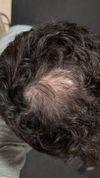
Hair cloning is being developed by companies like Kangstem Biotech and Stemson, with potential availability in a few years. Initial costs are expected to be high, but prices may decrease over time.
A user shared their 4-month hair transplant progress with 3740 grafts, showing before and after pictures. They had a generally good experience, except for the anesthesia part.
User had minor hair transplant in 2020, used Fin since 2008, Min since 2014, and added microneedling in 2022. Routine was irregular with no severe effects.
The user is 2 months post-hair transplant with 6,000 grafts using the DHI method and is using oral finasteride, minoxidil, and vitamins. They are seeking feedback on their progress.
The user underwent a DHI hair transplant with 3,066 grafts at Hairtec in the Netherlands and is using finasteride and minoxidil to restore hair, particularly at the crown. They plan to adjust minoxidil dosage and consult with a dermatologist in September.
A 36-year-old had a hair transplant with 6,500 grafts 7 months ago, took 1.25mg of finasteride every other day for 5 months, and recently switched to 1mg daily along with 5% minoxidil spray. They are considering a touch-up transplant and are seeking advice on their progress and future expectations.
A 23-year-old male had a hair transplant with 3500 grafts and is using finasteride, minoxidil, hair vitamins, and a keto shampoo. He seeks advice on crown regrowth and when to start dermastamping.
A user shared their experience with hair loss, using finasteride and minoxidil, and eventually undergoing a hair transplant of 1800 grafts. They regret not starting finasteride earlier and mention that despite the transplant, their scalp is still visible under strong light.
A user shared their experience 36 days after a hair transplant of 5500 grafts in Delhi, using topical minoxidil and finasteride, and plans to start oral finasteride. They reported less shedding than expected and strong early growth, while also maintaining a healthy lifestyle.
A user had two hair transplant surgeries, using a total of 6850 grafts from the scalp, beard, and chest, costing around $20,000 USD, and is happy with the results, though the crown may not be as dense as the hairline. They experienced no scarring from the donor areas and noted that transplanted beard and chest hair are thicker and curlier.
A user named "Redbone2222" shares their positive experience with a hair transplant procedure of 2500-3000 grafts, along with the use of 1mg finasteride daily and 5% topical minoxidil. They express satisfaction with the results and believe that finasteride has been more effective for them than minoxidil.
A user shared their positive experience with a 2,600 grafts hair transplant surgery in India, expressing optimism about the results. The conversation also debated the necessity of medications like finasteride to maintain hair transplant results and prevent further hair loss.
Temporal peaks are crucial for a natural-looking hair transplant, but they are challenging to achieve due to the need for precise angles and appropriate hair thickness. Many users emphasize the importance of finding a skilled surgeon and using finasteride to maintain hairline stability.
The user is considering another hair transplant or scalp micropigmentation (SMP) for a congenital bald spot, but previous transplants were less effective due to scar tissue. Suggestions include using hair fibers, changing hairstyles, or doing nothing, as the spot is not very noticeable.
A user shared their experience with a hair transplant surgery in India, involving 3,500 grafts, and expressed satisfaction with the results and cost. The post received mixed reactions, with some users questioning the authenticity of the graft count and results, while others praised the outcome.
The user has been using Minoxidil, finasteride, and a dermaroller for a year with little effect on hair loss. They are considering a hair transplant and are questioning the number of grafts needed and the feasibility of transplanting onto a partially bald scalp.
A satirical discussion about a hair transplant, with humorous comments on graft placement and clinic choice. The conversation includes references to a "Rebuild a Scalp Clinic" and jokes about using pubic hair and overharvesting.
The user experienced significant hair regrowth using finasteride alone over 6-7 months, despite initial side effects like reduced sexual desire and acne. They are considering reducing the dosage to manage side effects and have also used ketoconazole shampoo weekly.
Oral Dutasteride and topical Minoxidil significantly improved hair regrowth over nine months. Other users shared mixed results and side effects with treatments like oral Minoxidil and Finasteride.
L. reuteri, a probiotic, is being explored for its potential benefits in treating androgenic alopecia, possibly enhancing finasteride's effects and reducing inflammation. The user combines this with finasteride, oral minoxidil, and other supplements, noting some improvement in hair loss.
Creatine is believed by some to cause hair loss, potentially by increasing DHT levels, despite conflicting evidence. Users report mixed results when combining creatine with treatments like finasteride, dutasteride, and minoxidil.
DHT is important for sexual function and mood, but finasteride and dutasteride can reduce DHT, causing side effects like reduced libido and erectile dysfunction. These treatments are effective for hair loss, but their impact on DHT leads to debate.
Creatine does not cause hair loss, despite many users reporting personal experiences of hair shedding. Scientific evidence shows no link between creatine and increased hair loss or hormone changes.
Oral minoxidil is temporarily unavailable in the USA due to import laws, prompting consideration of topical minoxidil as an alternative. Tariffs and political policies affect the availability and cost of hair loss treatments.